Importance of Portion Control for Healthy Eating
Maintaining a healthy diet is essential for overall well-being, and portion control plays a crucial role in achieving this goal. By managing the amount of food we consume, we can ensure that our bodies receive the right nutrients without overindulging. Here, we will delve deeper into why portion control is vital for healthy eating and how it can positively impact weight management.
Preventing Overeating
- Portion control helps prevent overeating by limiting the amount of food you consume in one sitting.
- Measuring your portions and using smaller plates can trick your brain into feeling satisfied with less food.
- Awareness of portion sizes can reduce the temptation to indulge in extra servings, especially when faced with larger portions at restaurants or social gatherings.
Impact on Weight Management
- Practicing portion control can contribute to weight loss or weight maintenance by preventing excessive calorie intake.
- By controlling portion sizes, you can better regulate your caloric intake and avoid consuming more calories than your body needs.
- Consistently monitoring portion sizes can help you develop healthier eating habits and prevent weight gain over time.
Tips for Effective Portion Control
- Use smaller plates and bowls to visually trick your mind into thinking you are eating more.
- Measure out servings according to recommended portion sizes to avoid overeating.
- Listen to your body’s hunger cues and stop eating when you feel satisfied, rather than finishing everything on your plate.
- Practice mindful eating by savoring each bite and focusing on the taste and texture of your food.
Mental Wellness
Portion control not only plays a crucial role in physical health but also significantly impacts mental well-being. When individuals practice portion control, they are more likely to feel a sense of control over their eating habits, leading to reduced stress and anxiety related to food choices.
Healthy eating habits are closely linked to mental health, as nutrient-dense foods can positively affect brain function and mood regulation. Consuming balanced portions of fruits, vegetables, lean proteins, and whole grains can provide the necessary nutrients for optimal mental wellness.
Strategies for Incorporating Portion Control into a Mental Wellness Routine
- Use smaller plates: Opt for smaller plates to visually trick your mind into thinking you are consuming a larger portion.
- Practice mindful eating: Focus on the taste, texture, and aroma of your food to increase awareness of portion sizes and prevent overeating.
- Plan meals in advance: Preparing meals in advance helps in portion control by allowing you to portion out servings before eating.
- Avoid distractions: Eating without distractions such as watching TV or using electronic devices can help you pay attention to portion sizes and satiety cues.
- Listen to your body: Pay attention to your body’s hunger and fullness cues to avoid overeating and promote a healthy relationship with food.
Physical Fitness
Proper portion control plays a crucial role in enhancing physical fitness by providing the right balance of nutrients to fuel the body for exercise and recovery.
Connection between Portion Control and Physical Fitness, Importance of portion control for healthy eating
Maintaining the correct portion sizes ensures that individuals consume the necessary nutrients without overeating, which can lead to weight gain and decreased energy levels. By controlling portion sizes, individuals can better manage their caloric intake, resulting in improved body composition and overall physical health.
Examples of Proper Portion Sizes Enhancing Athletic Performance
- Consuming the right amount of carbohydrates, proteins, and fats in appropriate portions can optimize energy levels during workouts and aid in muscle recovery post-exercise.
- For example, a balanced meal with correct portion sizes of lean protein, whole grains, and vegetables can provide sustained energy for endurance activities like long-distance running or cycling.
- Similarly, consuming a snack with the right proportions of protein and carbohydrates before a strength training session can enhance muscle performance and recovery.
Role of Portion Control in Achieving Fitness Goals
- Portion control is essential for individuals looking to achieve specific fitness goals, such as weight loss, muscle gain, or improved athletic performance.
- By measuring and monitoring portion sizes, individuals can better track their nutrient intake and adjust their diet to align with their fitness objectives.
- Consistently practicing portion control can lead to better body composition, increased energy levels, and enhanced physical performance, ultimately supporting overall fitness and well-being.
Healthy Eating
Portion control plays a crucial role in promoting healthy eating habits by ensuring individuals consume the right amount of food to meet their nutritional needs without overindulging.
Alignment with Healthy Eating Principles
- Portion control aligns with the principles of healthy eating by helping individuals manage their calorie intake and maintain a balanced diet.
- It allows for the consumption of a variety of foods in appropriate amounts, preventing excess calories that can lead to weight gain and related health issues.
- By controlling portion sizes, individuals can better regulate their intake of essential nutrients like vitamins, minerals, and macronutrients.
Importance of Nutrient-Dense Foods in Portion-Controlled Meals
- Opting for nutrient-dense foods in portion-controlled meals ensures that individuals get the maximum amount of essential nutrients per serving.
- These foods are rich in vitamins, minerals, fiber, and antioxidants, supporting overall health and well-being.
- By focusing on nutrient-dense options, individuals can fulfill their nutritional requirements without consuming excessive calories, promoting weight management.
Benefits of Maintaining a Balanced Diet through Portion Control
- Portion control helps individuals avoid overeating and maintain a healthy weight, reducing the risk of obesity and associated health conditions.
- It allows individuals to enjoy a wide range of foods in moderation, promoting a balanced and varied diet that supports overall health.
- By practicing portion control, individuals can develop mindful eating habits, becoming more attuned to their body’s hunger and fullness cues.
Preventive Care
Portion control plays a crucial role in preventive care by helping individuals maintain a healthy weight and reduce the risk of various health conditions. By being mindful of portion sizes, individuals can take proactive steps towards better health outcomes.
Impact on Chronic Diseases
- Portion control can significantly reduce the risk of chronic diseases such as diabetes, heart disease, and obesity.
- By consuming appropriate portion sizes, individuals can better manage their blood sugar levels, cholesterol, and overall health markers.
- Overeating can lead to weight gain and increase the likelihood of developing chronic conditions over time.
Contribution to Overall Well-being
- Practicing portion control can lead to improved digestion and better nutrient absorption.
- By eating the right amount of food, individuals can maintain energy levels throughout the day and avoid feelings of sluggishness or fatigue.
- Portion control promotes mindful eating habits, allowing individuals to savor and enjoy their meals without overindulging.
Balanced Diet: Importance Of Portion Control For Healthy Eating
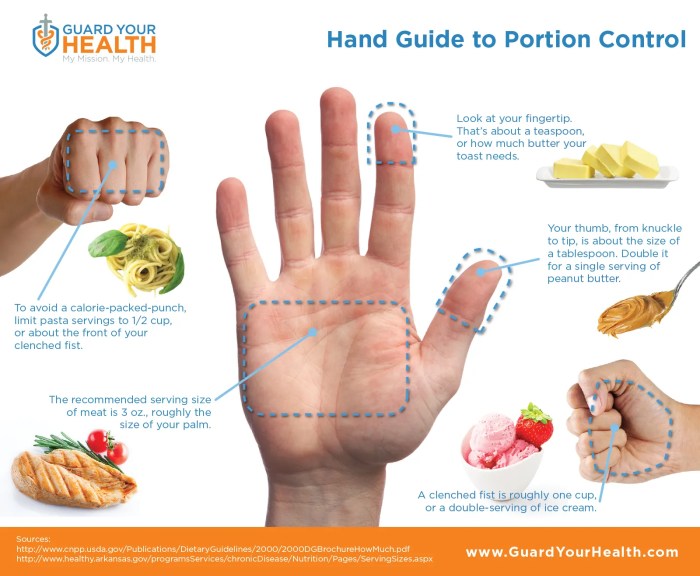
Proper portion control is essential in achieving a balanced diet as it helps in ensuring that you are consuming the right amount of nutrients from various food groups. By controlling portion sizes, you can maintain a good balance of carbohydrates, proteins, fats, vitamins, and minerals in your daily meals.
Role of Portion Control in Balanced Diet
- Portion control helps in meeting daily nutritional requirements by ensuring that you are not overeating or under-eating any particular food group.
- It allows you to include a variety of foods in your diet, thus promoting food diversity and ensuring that you are getting a wide range of nutrients.
- By controlling portion sizes, you can prevent excessive intake of calories, which can lead to weight gain and various health issues.
Regular Exercise
Regular exercise is a crucial component of a healthy lifestyle, working hand in hand with portion control to optimize overall health and wellness. By incorporating physical activity into your routine, you can enhance the benefits of portion control and achieve better results in terms of weight management, muscle tone, and overall fitness levels.
Complementing Portion Control with Exercise
- Regular exercise boosts metabolism, making it easier for your body to process and utilize the nutrients from properly portioned meals.
- Physical activity helps to burn calories, allowing you to create a calorie deficit when combined with portion control for weight loss or maintenance.
- Exercise promotes muscle growth and development, supporting a toned physique that can be further enhanced by proper portion sizes.
Coordinating Portion Sizes with Workout Schedules
- Before a workout, opt for a balanced meal with a mix of carbohydrates, protein, and healthy fats to fuel your body for optimal performance.
- After a workout, focus on replenishing nutrients with a post-exercise meal that includes lean protein and complex carbohydrates to aid in recovery and muscle repair.
- Adjust portion sizes based on the intensity and duration of your workout, ensuring you are fueling your body adequately without overeating or undereating.
Mental Health
Importance of portion control for healthy eating – When it comes to mental health, portion control plays a crucial role in maintaining overall well-being. The impact of portion control goes beyond just physical health; it also has a significant effect on our mental health and cognitive function.
Impact on Mental Health and Cognitive Function
Proper portion control can help stabilize blood sugar levels, which in turn can improve mood stability and reduce feelings of irritability and fatigue. When we eat balanced meals with appropriate portion sizes, our brains receive the necessary nutrients to function optimally, leading to improved cognitive function and mental clarity.
Additionally, practicing portion control can help prevent overeating, which is often linked to feelings of guilt and shame. By being mindful of our portions, we can develop a healthier relationship with food and reduce stress and anxiety related to eating habits.
Mindful Eating Practices for Mental Well-being
- Engage all your senses while eating to fully experience the flavors and textures of your food.
- Avoid distractions such as watching TV or using electronic devices while eating to focus on your meal.
- Pause between bites to check in with your hunger cues and assess if you are truly satisfied.
Incorporating Portion Control as Self-Care
- Plan your meals ahead of time to ensure balanced portions and avoid impulsive eating decisions.
- Use smaller plates and utensils to visually trick your brain into thinking you are consuming more food.
- Practice portion control in social settings by being mindful of your choices and listening to your body’s hunger cues.
Holistic Wellness
Portion control plays a vital role in achieving holistic wellness, which encompasses not only physical health but also mental and emotional well-being. By managing portion sizes effectively, individuals can improve their overall quality of life and maintain a balanced and fulfilling lifestyle.
Interconnectedness between Portion Control, Lifestyle Choices, and Overall Well-being
- Portion control is closely linked to lifestyle choices, as it influences the types of food consumed and the frequency of meals.
- By practicing portion control, individuals can develop a healthier relationship with food and reduce the risk of overeating or unhealthy eating habits.
- This, in turn, can lead to improved overall well-being, as proper nutrition is essential for physical, mental, and emotional health.
Holistic Approaches to Incorporating Portion Control
- One holistic approach to portion control is mindful eating, which involves being present and attentive while consuming meals to avoid overeating.
- Another approach is to include a variety of nutrient-dense foods in each meal, ensuring a well-rounded diet that supports overall health and wellness.
- Additionally, seeking support from a nutritionist or health coach can provide personalized guidance on portion control and healthy eating habits.
Chronic Diseases
Portion control plays a crucial role in preventing and managing chronic diseases by helping individuals maintain a healthy weight, regulate blood sugar levels, and reduce the risk of developing conditions such as diabetes, heart disease, and obesity.
Supporting Individuals with Chronic Conditions
- Individuals with diabetes can benefit from portion-controlled diets to manage their blood sugar levels effectively and prevent complications.
- For individuals with heart disease, portion control can help reduce the intake of saturated fats and cholesterol, promoting cardiovascular health.
- Portion-controlled diets can support individuals with obesity by controlling calorie intake and promoting weight loss, which is essential for managing the condition.
Reducing Inflammation and Improving Immune Function
- Portion control is essential in reducing inflammation in the body, which is linked to the development and progression of chronic diseases such as arthritis and heart disease.
- By consuming appropriate portion sizes of nutrient-dense foods, individuals can improve immune function and enhance their body’s ability to combat chronic diseases.
- Managing portion sizes can also help reduce oxidative stress and promote overall health and well-being, contributing to the prevention of chronic conditions.
Immunity Boosters
Portion control not only plays a key role in maintaining a healthy weight and preventing chronic diseases but also has a significant impact on our immune system. By focusing on nutrient-rich foods in portion-controlled meals, we can support our body’s natural defenses and overall immunity.
Incorporating Immunity-Boosting Ingredients
When planning portion-controlled diets, it’s essential to include ingredients known for their immune-boosting properties. Incorporating foods rich in vitamins C, D, and E, zinc, and antioxidants can help strengthen the immune system and enhance overall well-being. Some examples of immunity-boosting ingredients to include in portion-controlled meals are:
- Citrus fruits like oranges, lemons, and grapefruits, which are high in vitamin C, known for its immune-boosting properties.
- Leafy greens such as spinach and kale, rich in vitamins A and C, essential for immune function.
- Nuts and seeds like almonds, sunflower seeds, and pumpkin seeds, excellent sources of vitamin E and zinc.
- Garlic and ginger, known for their anti-inflammatory and immune-boosting effects.
By incorporating these immunity-boosting ingredients in portion-controlled diets, we can not only support our immune health but also promote overall well-being and vitality.
Answers to Common Questions
How does portion control contribute to weight management?
Portion control helps in regulating calorie intake, preventing overeating, and supporting weight loss or maintenance goals.
Can portion control impact mental well-being?
Yes, portion control can positively influence mental health by promoting mindful eating practices and fostering a healthier relationship with food.
What are some effective tips for practicing portion control?
Some tips include using smaller plates, measuring portions, listening to your body’s hunger cues, and being mindful of portion sizes when eating out.


More Stories
How to detox your body for a stronger immune system
Benefits of probiotics for immune health: Enhancing Your Bodys Defense System
Benefits of elderberry syrup for immunity: Boosting Your Health Naturally