Introduction to Probiotics and Immune Health
Probiotics are live microorganisms that, when consumed in adequate amounts, provide health benefits to the host. These beneficial bacteria play a crucial role in supporting the immune system and overall well-being.
Role of Probiotics in Immune Health
Probiotics contribute to a healthy immune system by promoting the balance of good bacteria in the gut. This balance is essential for optimal immune function, as the gut is a key player in regulating the body’s immune response.
- Probiotics help strengthen the intestinal barrier, preventing harmful pathogens from entering the bloodstream and causing infections.
- They stimulate the production of antibodies and immune cells, enhancing the body’s ability to fight off infections and diseases.
- Probiotics also modulate inflammation in the gut, reducing the risk of chronic inflammation-related conditions that can weaken the immune system.
Benefits of Probiotics for Immune Health
Probiotics play a crucial role in supporting a healthy immune system by promoting the growth of good bacteria in the gut. This, in turn, helps to prevent infections and illnesses by strengthening the body’s natural defense mechanisms.
Specific Benefits of Probiotics on Immune Health
- Enhanced immune response: Probiotics have been shown to increase the production of antibodies and other immune cells, improving the body’s ability to fight off harmful pathogens.
- Reduced inflammation: By balancing the gut microbiota, probiotics can help reduce inflammation in the body, which is linked to various chronic diseases and immune system dysfunction.
- Improved gut barrier function: Probiotics help to strengthen the gut barrier, preventing harmful bacteria from entering the bloodstream and causing infections.
How Probiotics Help Prevent Infections and Illnesses
- Competitive exclusion: Probiotics compete with harmful bacteria for space and resources in the gut, reducing the likelihood of pathogen colonization.
- Production of antimicrobial substances: Some probiotic strains produce antimicrobial substances that inhibit the growth of harmful bacteria, further protecting against infections.
- Regulation of immune response: Probiotics regulate the immune system, preventing overreactions that can lead to autoimmune disorders or allergies.
Relationship Between Gut Health, Probiotics, and a Strong Immune System
Probiotics are essential for maintaining a healthy balance of gut bacteria, which is crucial for overall immune function. A diverse and thriving gut microbiota supported by probiotics can help ensure a robust immune response to pathogens and reduce the risk of immune-related disorders.
Mental Wellness and Probiotics
Probiotics are not only beneficial for gut health but also play a significant role in mental wellness. The connection between the gut and the brain, known as the gut-brain axis, highlights how the health of our gut can impact our mental well-being.
Impact on Mood
Probiotics have been shown to have a positive effect on mood regulation. By promoting a healthy balance of gut bacteria, probiotics can help reduce feelings of anxiety and depression. Research suggests that certain strains of probiotics can influence the production of neurotransmitters like serotonin, which plays a key role in regulating mood.
Stress Levels and Mental Health
The use of probiotics has been linked to a reduction in stress levels and improved mental health. Studies have demonstrated that probiotics can help lower cortisol levels, the stress hormone, leading to a decrease in overall stress and anxiety. Maintaining a healthy gut flora with the help of probiotics can contribute to better mental resilience and coping mechanisms.
Research Findings
Research in the field of psychobiotics, a term used to describe the use of probiotics for mental health benefits, continues to grow. Studies have shown promising results in using probiotics to alleviate symptoms of mood disorders, such as depression and anxiety. The findings indicate that a healthy gut environment supported by probiotics can have a direct impact on mental wellness.
Physical Fitness and Probiotics
Probiotics play a significant role in promoting physical fitness by supporting muscle recovery and overall physical health.
Probiotics for Muscle Recovery
Probiotics can aid in muscle recovery by reducing inflammation and oxidative stress, which are common after intense workouts. This can help athletes and fitness enthusiasts bounce back quicker and perform better in subsequent exercise sessions.
Probiotic-Rich Foods for Physical Fitness
Including probiotic-rich foods in your diet can benefit your physical fitness. Foods like yogurt, kefir, sauerkraut, kimchi, and kombucha are excellent sources of probiotics that can help improve gut health and overall well-being. These foods can also contribute to better digestion and nutrient absorption, which are essential for maintaining energy levels during workouts.
Healthy Eating and Probiotics
Incorporating probiotic-rich foods into a healthy diet can have numerous benefits for overall well-being. Probiotics are live bacteria and yeasts that are good for your digestive system. They can help balance the friendly bacteria in your digestive system and improve nutrient absorption.
Importance of Including Probiotics in Daily Meals
- Probiotics can help maintain a healthy balance of gut bacteria, which is essential for proper digestion and overall health.
- Including probiotics in your diet can enhance nutrient absorption, ensuring that your body gets the most out of the foods you eat.
- Probiotics can support a strong immune system, as a significant portion of the immune system is located in the gut.
Tips for Incorporating Probiotics into Your Diet
- Include probiotic-rich foods such as yogurt, kefir, sauerkraut, kimchi, and kombucha in your daily meals.
- Consider taking a probiotic supplement if you are unable to get enough probiotics from food sources alone.
- Experiment with different recipes that incorporate probiotic-rich ingredients to keep your meals interesting and diverse.
Preventive Care and Probiotics
Probiotics can play a crucial role in preventive care by supporting the immune system and promoting overall health. These beneficial bacteria can help reduce the risk of various diseases and conditions, making them a valuable addition to daily routines.
Benefits of Probiotics for Preventive Health
- Probiotics can help maintain a healthy balance of gut bacteria, which is essential for overall immune function.
- By supporting a healthy gut microbiome, probiotics may reduce inflammation and strengthen the body’s defense against infections.
- Regular consumption of probiotic-rich foods or supplements can contribute to better digestive health and nutrient absorption, preventing gastrointestinal issues.
Balanced Diet and Probiotics: Benefits Of Probiotics For Immune Health
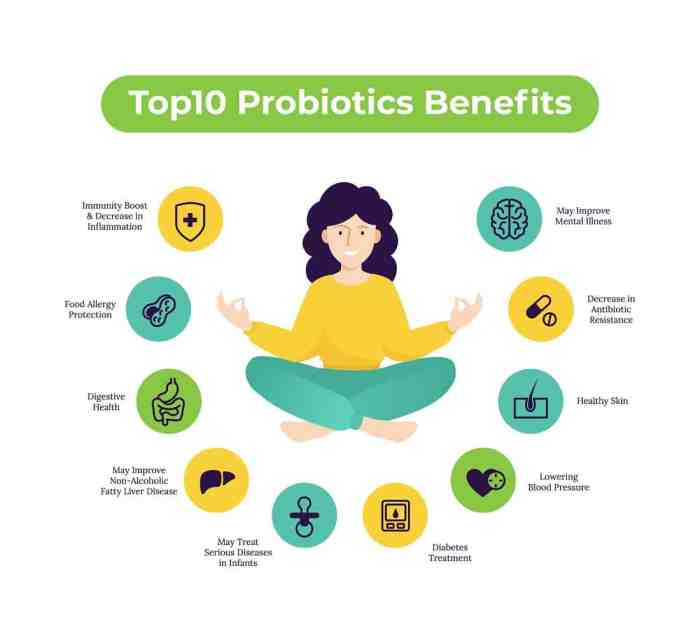
Probiotics play a crucial role in maintaining a balanced diet by promoting gut health and aiding in digestion. These beneficial bacteria contribute to overall well-being and help in the absorption of essential nutrients from food.
Synergy Between Probiotics and Other Nutrients
Probiotics work in synergy with other nutrients to support various bodily functions. For example, probiotics can enhance the absorption of vitamins and minerals like calcium, iron, and magnesium, which are essential for overall health. Additionally, they can help in breaking down carbohydrates, proteins, and fats, assisting in better nutrient utilization.
- Probiotics can improve the bioavailability of nutrients in the gut, ensuring that your body can make the most out of the food you consume.
- The presence of probiotics in the gut can enhance the immune system’s response to dietary antigens, reducing the risk of food sensitivities.
- By maintaining a healthy balance of gut bacteria, probiotics can support weight management and metabolic health.
Dietary Recommendations for Probiotic Intake
Achieving a well-rounded probiotic intake can be done through a variety of food sources and supplements. Including fermented foods like yogurt, kefir, sauerkraut, kimchi, and kombucha in your diet can help introduce beneficial probiotic strains into your system. Additionally, probiotic supplements can be considered, especially when dietary sources are limited.
It is important to choose probiotic-rich foods that are not loaded with added sugars or artificial ingredients to maximize the health benefits.
- Include a variety of probiotic-rich foods in your diet to introduce different strains of beneficial bacteria.
- Consider incorporating prebiotic foods like bananas, garlic, onions, and whole grains to nourish the existing probiotics in your gut.
- Consult with a healthcare provider or a nutritionist to determine the right probiotic supplement for your specific needs and health goals.
Regular Exercise and Probiotics
Regular exercise is essential for maintaining overall health and well-being. When it comes to incorporating probiotics into a fitness-focused lifestyle, there are several benefits that can support exercise recovery and immune function.
Probiotics and Exercise Recovery
- Probiotics can help reduce inflammation in the body, which is beneficial for faster recovery after intense workouts.
- Studies have shown that probiotics may enhance muscle recovery and reduce muscle soreness post-exercise.
- By promoting a healthy gut microbiome, probiotics can support the body’s ability to repair and rebuild muscle tissue.
Probiotics, Physical Activity, and Immune Health
- Regular exercise can sometimes temporarily weaken the immune system, making individuals more susceptible to infections.
- Probiotics have been found to help strengthen the immune system and reduce the risk of infections, potentially offsetting the immune-suppressing effects of intense exercise.
- By maintaining a balanced gut microbiome, probiotics can enhance immune function and overall resilience to illnesses.
Incorporating Probiotics into a Fitness-Focused Lifestyle
- Include probiotic-rich foods like yogurt, kefir, sauerkraut, and kombucha in your diet to support gut health.
- Consider taking a high-quality probiotic supplement, especially if you have specific fitness goals or engage in intense physical activity regularly.
- Consult with a healthcare provider or nutritionist to determine the best probiotic strains and dosages based on your individual needs and fitness routine.
Mental Health Benefits of Probiotics
Probiotics have been gaining attention for their potential benefits beyond just gut health. Recent research suggests that probiotics can also play a role in improving mental health conditions.
Influence on Anxiety and Depression
Probiotics have been linked to reduced symptoms of anxiety and depression. The gut-brain axis, which connects the gut and the brain, is influenced by the balance of good and bad bacteria in the gut. By promoting the growth of beneficial bacteria, probiotics may help regulate mood and emotions.
Potential in Mental Health Treatments
Studies have explored the use of probiotics as a complementary therapy for mental health conditions. Some research indicates that probiotics could be used alongside traditional treatments to enhance their effectiveness. Probiotics may help reduce inflammation in the body, which is often associated with mood disorders.
Research and Findings
Recent studies have shown promising results regarding the use of probiotics for mental well-being. For example, a study published in the journal Psychiatry Research found that participants who took probiotics experienced a significant reduction in depression and anxiety symptoms compared to those who did not take probiotics. These findings suggest that probiotics could be a valuable addition to mental health interventions.
Holistic Wellness and Probiotics
Probiotics are essential for achieving holistic wellness as they play a crucial role in maintaining a healthy balance of gut bacteria, which in turn impacts various aspects of our health. The interconnectedness of gut health, mental health, and overall well-being highlights the importance of incorporating probiotics into our daily routine.
Optimal Gut Health
Probiotics help in promoting a healthy gut environment by restoring the balance of good bacteria, which is essential for proper digestion and nutrient absorption. This, in turn, boosts the immune system and reduces the risk of digestive issues such as bloating, constipation, and diarrhea.
Mental Well-Being
The gut-brain connection is a well-established concept, and probiotics can positively influence mental health by improving mood, reducing symptoms of anxiety and depression, and enhancing cognitive function. A healthy gut directly impacts the production of neurotransmitters like serotonin, which plays a key role in regulating mood.
Overall Well-Being
When gut health and mental well-being are optimized, overall health and wellness are significantly enhanced. Probiotics contribute to a strong immune system, improved energy levels, better sleep quality, and a reduced risk of chronic diseases. By taking a holistic approach that includes probiotics, individuals can experience a comprehensive boost in their well-being.
Probiotics and Chronic Diseases
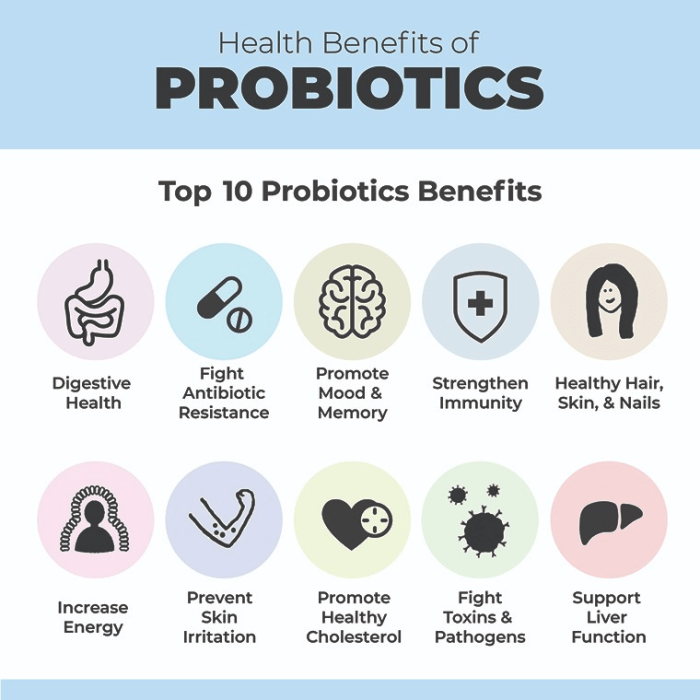
Probiotics have shown promising effects on chronic diseases like diabetes and heart disease. These live bacteria and yeasts can potentially help mitigate symptoms and improve overall health outcomes for individuals with these conditions.
Impact of Probiotics on Diabetes
Probiotics have been studied for their potential benefits in managing blood sugar levels in individuals with diabetes. Research suggests that certain strains of probiotics may help improve insulin sensitivity and reduce inflammation, which are crucial factors in managing diabetes. Incorporating probiotic-rich foods or supplements into the diet may complement traditional diabetes management strategies.
Probiotics and Heart Disease
Studies have also explored the role of probiotics in supporting heart health. Some research indicates that probiotics may help lower cholesterol levels, reduce blood pressure, and decrease inflammation, all of which are important risk factors for heart disease. By promoting a healthy gut microbiome, probiotics could potentially contribute to better cardiovascular outcomes.
Case Studies on Probiotics for Chronic Diseases
Numerous case studies have been conducted to evaluate the use of probiotics in managing chronic diseases. For example, a study published in the Journal of Clinical Gastroenterology demonstrated that probiotic supplementation improved symptoms in patients with irritable bowel syndrome, a chronic gastrointestinal condition. These findings suggest that probiotics may have a beneficial impact on various chronic illnesses beyond digestive health.
Immunity Boosters
Probiotics play a crucial role in boosting the immune system by promoting a healthy balance of gut bacteria. These beneficial bacteria help in strengthening the body’s defense mechanisms against harmful pathogens and infections.
Probiotics Mechanisms for Immune Health, Benefits of probiotics for immune health
Probiotics enhance the immune system through various mechanisms, such as:
- Regulating the production of antibodies that fight off infections.
- Increasing the activity of immune cells, such as natural killer cells and T lymphocytes.
- Strengthening the intestinal barrier to prevent the entry of harmful pathogens into the bloodstream.
Examples of Immune-Boosting Probiotic Strains
- Lactobacillus rhamnosus GG: Known for its ability to enhance immune response and reduce the risk of respiratory infections.
- Bifidobacterium animalis subsp. lactis: Helps in improving immune function and reducing inflammation in the gut.
- Saccharomyces boulardii: Supports the immune system by promoting the production of antibodies and enhancing gut barrier function.
Key Questions Answered
Benefits of probiotics for immune health – Can probiotics really boost my immune system?
Yes, probiotics can help enhance your immune system by promoting the growth of beneficial bacteria in your gut, which plays a key role in immune function.
Are probiotics safe for everyone to consume?
Generally, probiotics are safe for most people, but individuals with certain health conditions should consult their healthcare provider before taking them.
How soon can I expect to see the benefits of probiotics on my immune health?
The timeline for experiencing the benefits of probiotics can vary from person to person, but consistent consumption over time is key to reaping the immune-boosting benefits.
Can probiotics replace other immune-boosting supplements?
While probiotics can support your immune health, they are not meant to replace other supplements. A balanced diet, regular exercise, and proper sleep are also essential for overall well-being.


More Stories
How to detox your body for a stronger immune system
Benefits of elderberry syrup for immunity: Boosting Your Health Naturally
Benefits of exercise for mental health: Improving Wellness Through Physical Activity