Mental Wellness
Preventive care plays a crucial role in maintaining mental wellness, especially when it comes to managing chronic diseases. By implementing preventive measures, individuals can not only address physical health but also improve their mental well-being.
Impact of Preventive Care on Mental Health
- Regular check-ups and screenings can help in early detection of potential health issues, reducing anxiety and uncertainty.
- Following a healthy lifestyle and engaging in preventive behaviors can boost self-esteem and confidence.
- Effective management of chronic diseases through preventive care can lead to a sense of control over one’s health, reducing stress and depression.
Importance of Mental Health in Chronic Disease Management
- Positive mental health can enhance adherence to treatment plans, leading to better outcomes for chronic conditions.
- Stress management techniques and counseling as part of preventive care can improve coping mechanisms for individuals living with chronic diseases.
- Addressing mental health alongside physical health in chronic disease management can result in a holistic approach to overall well-being.
Physical Fitness
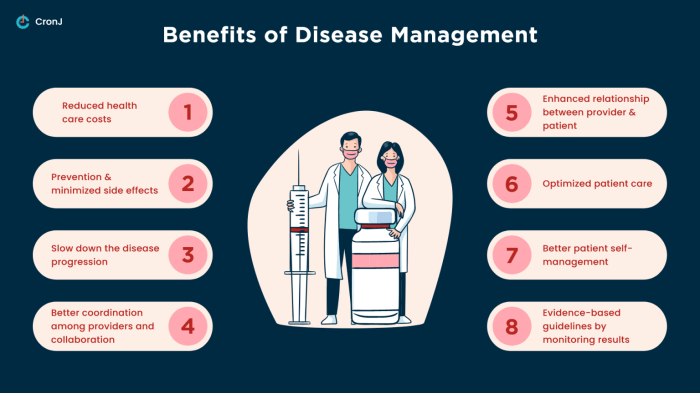
Maintaining physical fitness is crucial for overall health and well-being, especially in the context of chronic disease management. Preventive care plays a significant role in helping individuals stay physically fit and reduce the risk of developing chronic conditions.
Examples of Physical Activities
- Regular aerobic exercises such as walking, running, swimming, or cycling can improve cardiovascular health and help manage conditions like hypertension and diabetes.
- Strength training exercises, including weight lifting or bodyweight exercises, can help maintain muscle mass and bone density, reducing the risk of osteoporosis and frailty.
- Flexibility and balance activities like yoga or tai chi can improve mobility, reduce the risk of falls, and alleviate joint pain associated with conditions like arthritis.
Relationship Between Physical Fitness and Chronic Disease Prevention
Regular physical activity and maintaining a healthy weight are key components of preventive care for chronic disease management. Physical fitness can help lower blood pressure, improve blood sugar control, reduce inflammation, and enhance overall immune function. By engaging in regular exercise and staying physically active, individuals can significantly reduce their risk of developing chronic conditions such as heart disease, stroke, type 2 diabetes, and certain types of cancer.
Healthy Eating: Benefits Of Preventive Care For Chronic Disease Management
Eating a balanced diet plays a crucial role in preventive care for managing chronic diseases. A diet rich in nutrients can help reduce the risk of developing various health conditions and support overall wellness.
Key Nutrients for Chronic Disease Prevention
- Omega-3 fatty acids: Found in fatty fish, flaxseeds, and walnuts, omega-3 fatty acids have anti-inflammatory properties that can help reduce the risk of heart disease, arthritis, and other chronic conditions.
- Antioxidants: Foods rich in antioxidants, such as berries, dark leafy greens, and nuts, can help protect cells from damage and lower the risk of cancer and other diseases.
- Fiber: Whole grains, fruits, and vegetables are excellent sources of fiber, which can help regulate blood sugar levels, lower cholesterol, and improve digestive health.
Boosting Immunity and Wellness
- Proper nutrition can strengthen the immune system, making the body more resilient to infections and illnesses.
- A diet high in fruits, vegetables, lean proteins, and healthy fats provides essential nutrients that support overall health and well-being.
- By maintaining healthy eating habits, individuals can potentially prevent or better manage chronic diseases, leading to a higher quality of life.
Preventive Care
Preventive care in the context of chronic disease management involves taking proactive measures to prevent the onset or progression of chronic diseases through early detection and lifestyle changes.
Regular health screenings and check-ups play a crucial role in preventive care by allowing healthcare providers to monitor your health and identify any potential issues before they become serious. By staying on top of your health status, you can work towards preventing chronic diseases or managing them effectively if they do develop.
Various Preventive Care Measures
- Engage in regular physical activity to maintain a healthy weight and reduce the risk of obesity-related chronic diseases like diabetes and heart disease.
- Follow a balanced diet rich in fruits, vegetables, whole grains, and lean proteins to support overall health and prevent conditions like hypertension and high cholesterol.
- Avoid smoking and limit alcohol consumption to reduce the risk of developing lung cancer, heart disease, and liver damage.
- Stay up to date with vaccinations to protect against infectious diseases that can lead to chronic conditions.
Importance of Regular Health Screenings
Regular health screenings, such as blood pressure checks, cholesterol tests, and cancer screenings, are vital in preventive care as they can detect early signs of chronic diseases and allow for timely interventions. By monitoring key health markers regularly, individuals can work with their healthcare providers to develop personalized prevention plans and reduce the risk of developing serious health issues.
Balanced Diet
Maintaining a balanced diet is crucial for preventing and managing chronic diseases. A balanced diet provides the body with essential nutrients, vitamins, and minerals needed for optimal functioning and overall health.
Importance of a Balanced Diet, Benefits of preventive care for chronic disease management
A balanced diet includes a variety of food groups that contribute to overall health and well-being. These food groups should be consumed in appropriate portions to ensure the body receives the necessary nutrients to prevent chronic diseases.
- Fruits and Vegetables: Rich in vitamins, minerals, and antioxidants, fruits and vegetables help reduce the risk of heart disease, stroke, and certain types of cancer.
- Whole Grains: Whole grains provide fiber, which aids in digestion and helps lower cholesterol levels, reducing the risk of heart disease and diabetes.
- Lean Proteins: Lean proteins such as poultry, fish, beans, and nuts are essential for muscle growth, repair, and overall health.
- Dairy or Dairy Alternatives: Calcium-rich foods like milk, yogurt, and cheese help maintain strong bones and teeth, reducing the risk of osteoporosis.
- Healthy Fats: Sources of healthy fats like avocados, nuts, and olive oil help reduce inflammation and support heart health.
Benefits of a Balanced Diet
A balanced diet plays a crucial role in maintaining optimal health and well-being. By consuming a variety of nutrient-dense foods, individuals can:
- Manage weight and reduce the risk of obesity-related diseases.
- Lower cholesterol and blood pressure levels, reducing the risk of heart disease and stroke.
- Improve digestion and gut health, reducing the risk of digestive disorders.
- Boost immune function and reduce the risk of infections and chronic illnesses.
- Enhance energy levels and support overall mental and physical well-being.
Regular Exercise
Regular exercise plays a crucial role in the prevention and management of chronic diseases. It not only helps in maintaining a healthy weight but also improves overall health and reduces the risk of developing various health conditions.
Types of Exercises for Chronic Conditions
- Cardiovascular exercises: Activities like walking, cycling, and swimming help improve heart health and circulation.
- Strength training: This type of exercise helps in building muscle mass and strength, which is beneficial for individuals with conditions like arthritis.
- Flexibility exercises: Stretching and yoga can help improve flexibility, reduce stiffness, and alleviate pain in conditions like fibromyalgia.
Impact of Regular Physical Activity on Overall Health
Regular physical activity not only helps in managing chronic diseases but also has a positive impact on overall health. It can improve mood, boost energy levels, and enhance quality of life. Additionally, exercise plays a key role in disease prevention by reducing the risk of conditions like heart disease, diabetes, and certain types of cancer.
Holistic Wellness
Benefits of preventive care for chronic disease management – In the context of chronic disease management, holistic wellness refers to a comprehensive approach that considers the individual as a whole, addressing not only physical health but also mental and emotional well-being.
A holistic approach to wellness can greatly benefit individuals with chronic diseases by ensuring that all aspects of their health are taken into account. By focusing on mental, physical, and emotional aspects, individuals can experience improved overall well-being and better management of their chronic condition.
Complementary Practices for Holistic Wellness
- Acupuncture: A traditional Chinese medicine practice that involves inserting thin needles into specific points on the body to promote healing and alleviate symptoms.
- Yoga and Meditation: Practices that help reduce stress, improve flexibility, and promote relaxation, which can be beneficial for managing chronic diseases.
- Massage Therapy: A hands-on technique that can help reduce pain, improve circulation, and enhance overall well-being.
- Herbal Remedies: Natural supplements and herbs that can be used to complement traditional medical treatments and support overall health.
Chronic Diseases
Chronic diseases are conditions that persist over a long period of time and often progress slowly. They can significantly impact a person’s quality of life and overall well-being if not managed properly through preventive care.
Common chronic diseases that can be managed through preventive care include:
- Diabetes
- Hypertension (High Blood Pressure)
- Heart Disease
- Asthma
- Arthritis
- Osteoporosis
- Cancer
These conditions require ongoing management and monitoring to prevent complications and maintain optimal health.
Long-term Implications of Chronic Diseases
Chronic diseases can have serious long-term implications on overall health and well-being. They can lead to complications such as organ damage, disability, reduced quality of life, and increased risk of premature death. Managing chronic conditions effectively is essential to minimize these risks and maintain a good quality of life.
Early Intervention and Preventive Measures
Early intervention and preventive measures play a crucial role in better managing chronic conditions. By taking proactive steps such as regular health screenings, adopting a healthy lifestyle, managing stress, and adhering to treatment plans, individuals can prevent the progression of chronic diseases and improve their overall health outcomes.
Immunity Boosters
Boosting immunity is crucial for managing chronic diseases effectively. A strong immune system can help prevent complications and improve overall health.
Natural Immunity Boosters
- Include plenty of fruits and vegetables in your diet, as they are rich in vitamins, minerals, and antioxidants that support immune function.
- Get an adequate amount of sleep each night to allow your body to rest and recharge, which is essential for a healthy immune system.
- Stay hydrated by drinking enough water throughout the day to help flush out toxins and keep your immune system functioning optimally.
- Engage in regular physical activity, such as walking, jogging, or yoga, to boost circulation and promote a healthy immune response.
Role of Strong Immune System
A strong immune system plays a crucial role in protecting the body against infections and diseases, especially for individuals with chronic health conditions. It helps in reducing inflammation, fighting off harmful pathogens, and speeding up the healing process.
Lifestyle Changes for Immunity Enhancement
- Reduce stress through activities like meditation, deep breathing exercises, or spending time in nature to lower cortisol levels and strengthen immune function.
- Avoid smoking and limit alcohol consumption, as these habits can weaken the immune system and make the body more susceptible to infections.
- Take probiotics or incorporate fermented foods like yogurt and kimchi into your diet to promote a healthy gut microbiome, which is closely linked to immune health.
- Practice good hygiene by washing your hands regularly, especially before eating or touching your face, to prevent the spread of harmful bacteria and viruses.
Query Resolution
How often should one undergo preventive health screenings?
It is recommended to have regular health screenings as advised by healthcare providers, typically annually or biennially depending on individual health risks.
Can preventive care really prevent chronic diseases?
While it cannot guarantee prevention, preventive care significantly reduces the risk of developing chronic diseases through early detection and intervention.
What are some common mental wellness practices for chronic disease management?
Practices such as mindfulness meditation, stress management techniques, and seeking therapy or counseling can support mental wellness in chronic disease management.


More Stories
How to detox your body for a stronger immune system
Benefits of probiotics for immune health: Enhancing Your Bodys Defense System
Benefits of elderberry syrup for immunity: Boosting Your Health Naturally