Daily habits that help boost your immune system naturally sets the stage for this enthralling narrative, offering readers a glimpse into a story that is rich in detail and brimming with originality from the outset. Our immune system is our body’s natural defense against illness, and a strong immune system is crucial for maintaining good health.
When our immune system is functioning optimally, it can effectively fight off infections, viruses, and other threats to our well-being.
However, modern lifestyles often put our immune systems under pressure. Stress, poor diet, lack of sleep, and exposure to environmental toxins can weaken our defenses, making us more susceptible to illness. Fortunately, there are many things we can do to naturally boost our immune system and enhance our overall health.
This article explores the science behind a strong immune system, delving into daily habits that can make a significant difference in our ability to fight off infections and maintain a robust immune response.
The Importance of a Strong Immune System: Daily Habits That Help Boost Your Immune System Naturally
Your immune system is your body’s natural defense against illness. It’s a complex network of cells, tissues, and organs that work together to protect you from harmful invaders like bacteria, viruses, and fungi. When your immune system is strong, it can quickly identify and eliminate these threats, keeping you healthy.
Consequences of a Weakened Immune System
A weakened immune system leaves you more susceptible to infections and illnesses. This can lead to a range of health problems, including:
- Frequent colds and flu
- Serious infections, such as pneumonia or sepsis
- Autoimmune diseases, where the immune system attacks healthy cells
- Increased risk of cancer
- Slower recovery from illness or injury
Building a Strong Immune System Naturally
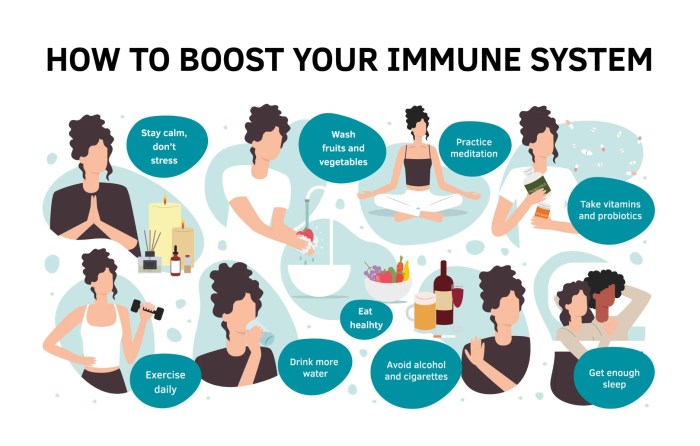
While there’s no magic bullet to guarantee a perfect immune system, several lifestyle choices can significantly boost your body’s natural defenses.
- Eat a healthy diet:A diet rich in fruits, vegetables, and whole grains provides essential vitamins, minerals, and antioxidants that support immune function. Aim for a balanced intake of protein, healthy fats, and complex carbohydrates.
- Get enough sleep:Sleep is crucial for immune function. During sleep, your body produces proteins called cytokines that help fight infection. Aim for 7-8 hours of quality sleep each night.
- Manage stress:Chronic stress weakens the immune system. Find healthy ways to manage stress, such as exercise, meditation, or spending time in nature.
- Stay hydrated:Water is essential for all bodily functions, including immune function. Drink plenty of water throughout the day.
- Regular exercise:Moderate exercise strengthens the immune system by improving circulation and promoting the production of white blood cells. Aim for at least 30 minutes of moderate-intensity exercise most days of the week.
- Avoid smoking and excessive alcohol consumption:Smoking and excessive alcohol consumption damage the immune system, making you more susceptible to infections.
- Maintain a healthy weight:Obesity weakens the immune system. Maintaining a healthy weight through diet and exercise can help boost your body’s defenses.
- Get regular checkups:Regular checkups with your doctor can help identify any potential health problems early on and ensure you’re getting the necessary vaccinations.
Physical Fitness
Regular physical activity is a cornerstone of a robust immune system. It plays a vital role in enhancing your body’s defense mechanisms, making it more resilient against infections and diseases.
Exercise Recommendations for Different Fitness Levels
Engaging in a variety of exercises, tailored to your fitness level, can significantly boost your immune function. Here are some recommendations:
- Beginners:Start with gentle activities like brisk walking, swimming, or yoga for 15-20 minutes, 3-4 times a week. Gradually increase the duration and intensity as you become more comfortable.
- Intermediate Level:Aim for 30-45 minutes of moderate-intensity exercise, such as jogging, cycling, or dancing, most days of the week. Incorporate strength training exercises 2-3 times a week.
- Advanced Level:Engage in vigorous-intensity exercise, like running, interval training, or high-impact aerobics, for at least 30 minutes, 3-4 times a week. Include strength training exercises that challenge your muscles 2-3 times a week.
Benefits of Aerobic and Strength Training
- Aerobic Exercise:Aerobic activities, such as running, swimming, and cycling, improve cardiovascular health, increase blood flow, and enhance the delivery of oxygen and nutrients throughout the body. This improves the function of immune cells, making them more efficient at fighting off infections.
- Strength Training:Strength training exercises, like weightlifting, push-ups, and squats, build muscle mass and improve bone density. They also help regulate blood sugar levels, reducing the risk of chronic diseases that can weaken the immune system.
“Regular physical activity is not only beneficial for physical health but also plays a crucial role in boosting your immune system. It helps your body fight off infections and diseases more effectively.”
Healthy Eating
A balanced diet is the foundation of a robust immune system. Just as a car needs fuel to run, your body needs the right nutrients to function optimally and fight off infections.
Key Nutrients for Immune Health
A well-rounded diet rich in various nutrients is essential for supporting a strong immune system. These nutrients play crucial roles in different aspects of immune function, from the production of white blood cells to the maintenance of healthy gut bacteria.
- Vitamin C:This powerful antioxidant is essential for the production of white blood cells, which are the body’s first line of defense against infections. Good sources of vitamin C include citrus fruits, strawberries, bell peppers, and broccoli.
- Vitamin D:This vitamin plays a vital role in immune regulation, helping to activate immune cells and reduce inflammation. Sunlight exposure is the primary source of vitamin D, but you can also find it in fatty fish, eggs, and fortified milk.
- Zinc:This mineral is essential for the development and function of immune cells. It also helps to reduce inflammation and support wound healing. Good sources of zinc include oysters, red meat, beans, and nuts.
- Selenium:This trace mineral is a powerful antioxidant that helps to protect cells from damage caused by free radicals. It also supports the production of immune cells. Brazil nuts, tuna, and eggs are excellent sources of selenium.
- Probiotics:These beneficial bacteria reside in your gut and play a crucial role in immune function. They help to regulate inflammation and promote the growth of healthy bacteria. You can find probiotics in fermented foods like yogurt, sauerkraut, and kimchi.
Sample Meal Plan
Incorporating immune-boosting foods into your daily meals is easy and delicious. Here’s a sample meal plan that includes a variety of nutrient-rich foods:
| Meal | Food | Nutrients |
|---|---|---|
| Breakfast | Greek yogurt with berries and granola | Vitamin C, probiotics, fiber |
| Lunch | Tuna salad sandwich on whole-wheat bread with leafy greens | Selenium, omega-3 fatty acids, fiber |
| Dinner | Chicken stir-fry with broccoli, bell peppers, and brown rice | Vitamin C, zinc, fiber |
| Snack | Almonds and a glass of orange juice | Vitamin C, vitamin E, healthy fats |
Preventive Care
Preventive care plays a crucial role in strengthening your immune system and maintaining overall health. It involves taking proactive steps to prevent illnesses and promote well-being.
Vaccination
Vaccines are a powerful tool for preventing infectious diseases and strengthening the immune system. They work by introducing a weakened or inactive form of a virus or bacteria into the body. This triggers the immune system to produce antibodies that can fight off the real pathogen if you are exposed to it in the future.
Vaccines have been credited with eradicating or significantly reducing the incidence of many deadly diseases, such as smallpox, polio, and measles.
Good Hygiene Practices
Maintaining good hygiene is essential for preventing the spread of germs and protecting your immune system.
- Wash your hands frequently with soap and water for at least 20 seconds, especially after using the restroom, before eating, and after touching public surfaces.
- Use hand sanitizer with at least 60% alcohol if soap and water are not available.
- Cover your mouth and nose with a tissue or your elbow when you cough or sneeze.
- Avoid touching your eyes, nose, and mouth with unwashed hands.
- Clean and disinfect frequently touched surfaces, such as doorknobs, countertops, and phones.
Regular Checkups and Screenings
Regular checkups and screenings are vital for early detection and prevention of health issues. They allow your doctor to monitor your overall health, identify any potential problems, and recommend appropriate interventions.
- Annual physical exams help assess your overall health and identify any risk factors for chronic diseases.
- Screenings for specific conditions, such as cancer, heart disease, and diabetes, can help detect these diseases early when they are most treatable.
- Immunizations, such as the flu vaccine, can help protect you from infectious diseases.
Balanced Diet
A balanced diet is a cornerstone of a strong immune system. By providing your body with the essential nutrients it needs, you equip it to fight off infections and maintain optimal health.
The Benefits of Fruits, Vegetables, and Whole Grains
A diet rich in fruits, vegetables, and whole grains is packed with vitamins, minerals, and antioxidants that play a crucial role in bolstering your immune system. These nutrients act as powerful defenders against harmful free radicals, which can damage cells and weaken your body’s defenses.
- Fruits and vegetablesare brimming with vitamins A, C, and E, all of which are essential for immune function. Vitamin A supports the growth and development of immune cells, while vitamin C helps boost the production of white blood cells, which are the body’s first line of defense against infections.
Vitamin E acts as an antioxidant, protecting cells from damage.
- Whole grainsare excellent sources of fiber, which aids in digestion and promotes a healthy gut microbiome. A balanced gut microbiome is crucial for immune health, as it houses a vast population of beneficial bacteria that support immune function.
The Role of Protein and Healthy Fats
Protein is essential for building and repairing tissues, including immune cells. It also plays a role in producing antibodies, which help fight off infections. Healthy fats, such as those found in olive oil, avocados, and nuts, are vital for cell function and hormone production.
They also help reduce inflammation, which can weaken the immune system.
Food Groups and Their Immune-Boosting Properties
| Food Group | Immune-Boosting Properties | Examples |
|---|---|---|
| Fruits | Rich in vitamins A, C, and E; antioxidants | Oranges, berries, grapefruits, apples, bananas |
| Vegetables | Packed with vitamins A, C, and E; antioxidants; fiber | Broccoli, spinach, carrots, sweet potatoes, bell peppers |
| Whole Grains | High in fiber; support a healthy gut microbiome | Brown rice, quinoa, oats, whole-wheat bread |
| Protein | Essential for building and repairing tissues; antibody production | Chicken, fish, beans, lentils, tofu |
| Healthy Fats | Support cell function and hormone production; reduce inflammation | Olive oil, avocados, nuts, seeds |
Regular Exercise
Regular exercise is not just good for your physical health, but it also plays a vital role in strengthening your immune system. Engaging in physical activity can help your body fight off infections and diseases more effectively.
How Exercise Boosts Immune Function
Regular exercise helps boost your immune system by increasing the production of white blood cells, which are the body’s primary defense against infections. White blood cells are responsible for identifying and destroying harmful pathogens like bacteria, viruses, and fungi. When you exercise, your body releases stress hormones that stimulate the production of these crucial cells.
This increased production of white blood cells helps your body fight off infections more efficiently.
Incorporating Exercise into Your Daily Routine
It’s essential to find ways to incorporate exercise into your daily routine that suit your lifestyle and preferences. Here are some tips:
- Start small:Begin with short, manageable workouts and gradually increase the duration and intensity as you get fitter. Even 15-20 minutes of moderate-intensity exercise daily can make a significant difference.
- Find activities you enjoy:If you don’t enjoy your workout, you’re less likely to stick with it. Explore different activities like swimming, dancing, cycling, or hiking to find something that keeps you motivated.
- Make it a habit:Schedule your workouts like any other important appointment and stick to your schedule as much as possible. Consistency is key to reaping the benefits of exercise.
- Set realistic goals:Don’t try to do too much too soon. Set achievable goals and gradually increase the intensity and duration of your workouts as you progress.
- Find a workout buddy:Having a workout partner can provide motivation and accountability, making it easier to stick to your exercise routine.
Types of Exercise for Immune Enhancement
Different types of exercise can benefit your immune system in various ways.
- Moderate-intensity aerobic exercise:This type of exercise includes activities like brisk walking, jogging, swimming, and cycling. It helps improve blood circulation and strengthens your cardiovascular system, leading to better immune function.
- Strength training:Building muscle mass through strength training can boost your immune system by increasing the production of white blood cells. This type of exercise also helps improve your overall fitness and reduce the risk of chronic diseases.
- Yoga and Pilates:These low-impact exercises improve flexibility, balance, and muscle strength, which can contribute to a stronger immune system. They also help reduce stress levels, which can negatively impact your immune function.
Mental Health

Your mental well-being plays a significant role in your overall health, including your immune system. Stress, a common factor in modern life, can have a detrimental impact on your body’s ability to fight off infections.
The Link Between Stress and Immune Function, Daily habits that help boost your immune system naturally
Stress can suppress your immune system, making you more susceptible to illness. When you’re stressed, your body releases hormones like cortisol, which can suppress the activity of immune cells. This suppression can lead to a decrease in the production of antibodies, which are crucial for fighting off infections.
Managing Stress and Promoting Mental Well-being
There are several techniques you can incorporate into your daily routine to manage stress and promote mental well-being, which in turn can strengthen your immune system:
- Regular Exercise:Physical activity releases endorphins, which have mood-boosting effects. Aim for at least 30 minutes of moderate-intensity exercise most days of the week.
- Mindfulness and Meditation:These practices help you focus on the present moment and reduce stress. There are numerous guided meditations available online or through apps.
- Spending Time in Nature:Being outdoors has been shown to reduce stress and improve mood. Take a walk in the park, go for a hike, or simply sit in your backyard and enjoy the fresh air.
- Connecting with Loved Ones:Social interaction and strong relationships provide support and reduce stress. Make time for meaningful conversations with friends and family.
- Getting Enough Sleep:Sleep deprivation can weaken your immune system. Aim for 7-8 hours of quality sleep each night.
The Importance of Sleep for Immune Health
Adequate sleep is essential for maintaining a healthy immune system. During sleep, your body produces proteins called cytokines that help regulate inflammation and fight infection. Sleep deprivation can disrupt this process, making you more vulnerable to illness.
Holistic Wellness
Holistic wellness is a comprehensive approach to health that emphasizes the interconnectedness of mind, body, and spirit. It acknowledges that physical, mental, emotional, and social well-being are all intricately linked and influence each other. By adopting a holistic perspective, you can create a foundation for a strong immune system and overall well-being.
Benefits of Complementary Therapies
Complementary therapies, such as yoga and meditation, have gained increasing recognition for their potential to enhance immune function. These practices work by promoting relaxation, reducing stress, and balancing the body’s systems.
Yoga
Yoga involves a combination of physical postures, breathing techniques, and meditation. Regular yoga practice can:
- Strengthen the immune system by reducing stress hormones like cortisol, which can suppress immune function.
- Improve circulation, which helps deliver oxygen and nutrients to cells, boosting the immune system’s ability to fight off infections.
- Enhance lymphatic drainage, which helps remove toxins and waste products from the body, supporting overall immune health.
Meditation
Meditation is a practice that involves focusing the mind on a single point, such as the breath, a mantra, or an image. Regular meditation can:
- Reduce stress and anxiety, which can weaken the immune system.
- Promote relaxation and improve sleep quality, both of which are essential for immune function.
- Increase the production of antibodies, which are crucial for fighting off infections.
Mindfulness and Stress Reduction
Mindfulness is the practice of paying attention to the present moment without judgment. It involves being aware of your thoughts, feelings, and sensations without getting caught up in them. Mindfulness can be a powerful tool for managing stress, which is a major factor in weakening the immune system.
Benefits of Mindfulness
- Reduces stress hormones, such as cortisol, which can suppress immune function.
- Improves sleep quality, which is essential for immune system repair and regeneration.
- Increases resilience and coping skills, allowing you to better manage stress and maintain a healthy immune system.
Creating a Supportive Environment
Creating a supportive environment that promotes holistic wellness is crucial for maintaining a strong immune system. This involves making conscious choices that nourish your mind, body, and spirit.
Tips for Creating a Supportive Environment
- Prioritize sleep:Aim for 7-8 hours of quality sleep each night to allow your body to repair and regenerate.
- Engage in regular exercise:Physical activity helps boost circulation, strengthens the immune system, and reduces stress.
- Practice gratitude:Focusing on the positive aspects of your life can enhance your emotional well-being and strengthen your immune system.
- Connect with nature:Spending time in nature can reduce stress, promote relaxation, and boost your mood.
- Surround yourself with supportive people:Having a strong social network can provide emotional support and reduce stress, which are both important for immune health.
Chronic Diseases
Chronic diseases, like diabetes, heart disease, and autoimmune disorders, can significantly impact your immune system. These conditions often involve long-term inflammation, which can weaken your body’s defenses and make you more susceptible to infections.
The Impact of Chronic Diseases on the Immune System
Chronic diseases can negatively affect the immune system in several ways:
- Impaired Immune Cell Function:Chronic inflammation can interfere with the proper functioning of immune cells, such as T cells and B cells, which are crucial for fighting off infections.
- Altered Immune Response:Chronic conditions can disrupt the delicate balance of the immune system, leading to an overactive or underactive immune response. This can result in autoimmune disorders or increased susceptibility to infections.
- Increased Risk of Infections:People with chronic diseases often have weakened immune systems, making them more vulnerable to infections. For example, individuals with diabetes are at higher risk of developing skin infections, urinary tract infections, and pneumonia.
Managing Chronic Conditions and Maintaining a Healthy Immune System
Managing chronic diseases effectively is crucial for maintaining a strong immune system. Here are some strategies:
- Adhere to Treatment Plans:Working closely with your healthcare provider to follow prescribed medications and therapies is essential for controlling chronic conditions and reducing inflammation.
- Healthy Lifestyle Choices:Maintaining a healthy lifestyle, including regular exercise, a balanced diet, and stress management, can significantly support your immune system.
- Vaccination:Getting recommended vaccinations can help protect you from serious infections, especially if you have a weakened immune system due to a chronic condition.
Seeking Professional Medical Advice for Chronic Diseases
Consulting with a healthcare professional is essential for managing chronic diseases. They can:
- Diagnose and Monitor:Doctors can accurately diagnose chronic conditions and monitor their progression, ensuring timely intervention and treatment.
- Develop Personalized Treatment Plans:Healthcare providers can create individualized treatment plans tailored to your specific needs and health status.
- Provide Support and Guidance:Doctors can offer support and guidance on managing your condition, addressing your concerns, and promoting a healthy lifestyle.
Immunity Boosters
A strong immune system is essential for maintaining good health and protecting your body from infections. While a healthy lifestyle is crucial, incorporating natural substances with immune-boosting properties can provide an extra layer of support. Here are some natural immunity boosters that have been shown to have beneficial effects on the immune system.
Natural Immunity Boosters
Natural substances like garlic, ginger, and elderberry have been used for centuries to support immune health. These substances contain compounds that can help strengthen the immune system and fight off infections.
Benefits and Potential Side Effects of Natural Immunity Boosters
| Immunity Booster | Benefits | Potential Side Effects |
|---|---|---|
| Garlic |
|
|
| Ginger |
|
|
| Elderberry |
|
|
Concluding Remarks
In conclusion, building a strong immune system naturally is a journey that involves a combination of healthy habits and lifestyle choices. By prioritizing physical fitness, nourishing our bodies with a balanced diet, getting enough sleep, managing stress effectively, and incorporating preventive measures, we can empower our immune systems to function at their best.
Remember, a strong immune system is not just about avoiding illness; it’s about living a vibrant and healthy life. So, embrace these simple yet powerful habits and unlock the potential of your immune system for a healthier and more fulfilling life.
Frequently Asked Questions
What are some common signs of a weakened immune system?
Frequent colds or infections, slow wound healing, fatigue, and digestive issues can be indicators of a weakened immune system.
Are there specific foods that can help boost my immune system?
Yes, foods rich in vitamins C, D, and zinc, as well as antioxidants found in fruits and vegetables, are particularly beneficial for immune function.
How much exercise is recommended for immune health?
Aim for at least 30 minutes of moderate-intensity exercise most days of the week.
Can stress really weaken my immune system?
Yes, chronic stress can suppress the immune system, making you more susceptible to illness.


More Stories
Best Healthcare Resources for Chronic Disease Patients
Incorporate Holistic Wellness into Daily Life
Exercise: Boosting Mental Health