Holistic wellness programs for improving mental clarity and focus sets the stage for this enthralling narrative, offering readers a glimpse into a story that is rich in detail and brimming with originality from the outset. These programs recognize that mental well-being is intricately intertwined with physical health, emotional balance, and spiritual fulfillment.
By addressing these aspects holistically, individuals can unlock their cognitive potential and achieve a state of heightened mental clarity and focus.
The journey towards enhanced mental clarity and focus begins with understanding the fundamental principles of holistic wellness. This approach emphasizes the interconnectedness of mind, body, and spirit, recognizing that each element plays a crucial role in overall well-being. By nurturing all aspects of our being, we create a harmonious environment for optimal cognitive function.
Introduction to Holistic Wellness Programs
Holistic wellness programs prioritize a comprehensive approach to well-being, encompassing physical, mental, emotional, and spiritual aspects. This approach recognizes the interconnectedness of these elements and emphasizes that addressing one area can positively impact others. Mental clarity and focus are crucial for optimal cognitive function, and holistic wellness programs offer a multifaceted strategy for achieving them.
Holistic Wellness and Mental Clarity
Holistic wellness programs recognize that mental clarity and focus are not solely determined by cognitive processes but are also influenced by lifestyle choices, stress levels, and overall well-being. By addressing various aspects of well-being, these programs aim to create a supportive environment for enhanced cognitive function.
Examples of Holistic Approaches for Enhancing Mental Clarity and Focus
Holistic wellness programs incorporate various techniques and practices to enhance mental clarity and focus. These include:
- Mindfulness Meditation:Regular mindfulness practice helps cultivate present-moment awareness, reducing mental clutter and improving focus. Studies have shown that mindfulness meditation can enhance attention span and reduce stress, leading to improved cognitive function.
- Yoga and Tai Chi:These practices combine physical movement with breathwork and mindfulness, promoting relaxation and reducing stress. Yoga poses can improve blood flow to the brain, enhancing cognitive function, while Tai Chi’s gentle movements and focus on breath can improve balance and coordination, aiding in concentration.
- Nutrition and Diet:A balanced diet rich in fruits, vegetables, and whole grains provides essential nutrients for optimal brain function. Avoiding processed foods, sugary drinks, and excessive caffeine can improve mental clarity and focus.
- Sleep Hygiene:Adequate sleep is crucial for cognitive function. Establishing a regular sleep schedule, creating a relaxing bedtime routine, and ensuring a comfortable sleep environment can improve sleep quality and enhance mental clarity and focus.
- Stress Management Techniques:Stress can significantly impair cognitive function. Holistic wellness programs incorporate stress management techniques such as deep breathing exercises, progressive muscle relaxation, and journaling to help individuals cope with stress and maintain mental clarity.
The Role of Physical Fitness: Holistic Wellness Programs For Improving Mental Clarity And Focus
The connection between physical activity and mental well-being is undeniable. Engaging in regular exercise not only strengthens our bodies but also significantly improves our mental clarity and focus.
Benefits of Exercise for Mental Clarity and Focus
Regular exercise stimulates blood flow to the brain, which is crucial for optimal cognitive function. This increased blood flow delivers oxygen and nutrients to the brain, enhancing its ability to process information, learn, and remember. Furthermore, physical activity helps reduce stress levels, which can negatively impact mental clarity and focus.
Exercise releases endorphins, which have mood-boosting effects and contribute to a sense of well-being.
Types of Physical Activities for Mental Clarity and Focus
There are numerous physical activities that can enhance mental clarity and focus.
- Aerobic exercise:Activities like running, swimming, cycling, and dancing elevate heart rate and improve cardiovascular health, leading to better brain function.
- Strength training:Resistance exercises, such as weightlifting, help build muscle mass and improve bone density, which in turn positively impacts cognitive function.
- Yoga and Pilates:These practices combine physical movement with mindfulness and deep breathing, promoting relaxation and reducing stress, which can enhance focus.
- Mindful walking:This involves paying attention to the sensations of walking, such as the movement of your feet and the rhythm of your breath, helping to quiet the mind and improve focus.
The Power of Healthy Eating
Your brain is the control center of your body, and just like any other organ, it needs the right fuel to function optimally. A balanced diet plays a crucial role in providing the essential nutrients your brain needs to support mental clarity and focus.
The Importance of Nutrients for Brain Health
A healthy diet provides your brain with the building blocks it needs to function properly. These include:
- Glucose:The brain’s primary energy source, glucose is derived from carbohydrates. A steady supply of glucose is essential for maintaining cognitive function, memory, and focus.
- Omega-3 Fatty Acids:These healthy fats are vital for brain cell structure and function. They play a role in improving memory, learning, and mood.
- B Vitamins:These vitamins are essential for the production of neurotransmitters, chemicals that help brain cells communicate with each other. B vitamins also play a role in energy metabolism and reducing stress.
- Antioxidants:These compounds protect brain cells from damage caused by free radicals, which can contribute to cognitive decline.
Specific Foods that Enhance Cognitive Function
Certain foods are particularly beneficial for boosting mental clarity and focus. These include:
- Fatty Fish:Salmon, tuna, and mackerel are rich in omega-3 fatty acids, which have been shown to improve cognitive function and memory.
- Berries:Blueberries, strawberries, and raspberries are packed with antioxidants, which can protect brain cells from damage.
- Nuts and Seeds:Almonds, walnuts, and flaxseeds are good sources of omega-3 fatty acids, vitamin E, and other nutrients that support brain health.
- Dark Leafy Greens:Spinach, kale, and collard greens are rich in folate, which is essential for the production of dopamine, a neurotransmitter that plays a role in mood, motivation, and attention.
- Whole Grains:Whole grains provide sustained energy release, helping to maintain stable blood sugar levels and prevent energy crashes that can affect focus.
A Sample Diet Plan for Mental Focus
A healthy diet for improving mental clarity and focus should include a variety of nutrient-rich foods from all food groups. Here is a sample diet plan:
- Breakfast:Oatmeal with berries and nuts, or a smoothie with spinach, banana, and protein powder.
- Lunch:Salad with grilled chicken or fish, or a whole-grain sandwich with lean protein and vegetables.
- Dinner:Baked salmon with roasted vegetables, or lentil soup with whole-grain bread.
- Snacks:Fruits, vegetables, nuts, seeds, or yogurt.
The Importance of Preventive Care
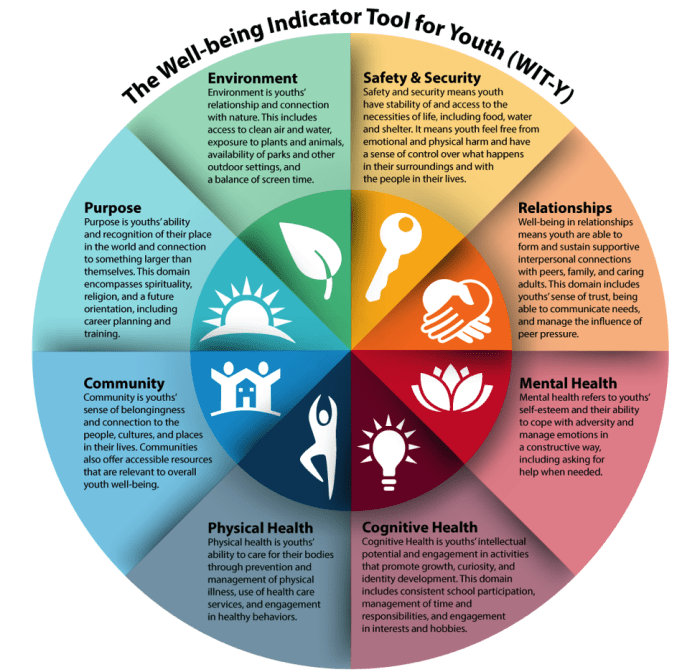
Preventive care is an essential aspect of holistic wellness that goes beyond addressing existing health issues. It focuses on proactive measures to maintain optimal health and prevent the development of chronic conditions, ultimately contributing to improved mental clarity and focus.
The Impact of Chronic Diseases on Mental Clarity and Focus
Chronic diseases, such as diabetes, heart disease, and arthritis, can significantly impact cognitive function. These conditions often lead to inflammation, oxidative stress, and hormonal imbalances, all of which can negatively affect brain health.
- For instance, diabetes can impair blood flow to the brain, leading to reduced oxygen and nutrient supply, affecting memory, concentration, and overall cognitive performance.
- Similarly, heart disease can increase the risk of stroke, which can damage brain cells and lead to cognitive decline.
- Chronic pain associated with conditions like arthritis can also disrupt sleep, leading to fatigue and difficulty concentrating.
Stress Management Techniques
Stress is a common experience in modern life, and while it can be a motivator in small doses, chronic stress can have detrimental effects on mental clarity and focus. When we are constantly stressed, our brains are flooded with cortisol, a hormone that impairs cognitive function, making it difficult to concentrate, remember information, and make sound decisions.
Mindfulness and Meditation
Mindfulness and meditation are powerful stress management techniques that have been shown to improve mental clarity and focus. Mindfulness involves paying attention to the present moment without judgment. It helps us to become more aware of our thoughts, feelings, and sensations, allowing us to detach from stressful thoughts and emotions.
Meditation involves focusing on a single point of attention, such as the breath, a mantra, or an image. This practice helps to quiet the mind and reduce stress.
- Mindful Breathing:A simple yet effective mindfulness practice is mindful breathing. Sit comfortably with your spine straight, close your eyes, and focus on your breath as it enters and leaves your body. Notice the sensation of the breath in your nostrils, chest, and abdomen.
If your mind wanders, gently bring it back to your breath.
- Body Scan Meditation:This meditation technique involves bringing awareness to different parts of your body, starting from your toes and moving up to your head. Pay attention to any sensations you feel in each part of your body, such as warmth, tingling, or tightness.
This practice helps to reduce tension and promote relaxation.
- Walking Meditation:Walking meditation combines mindfulness with movement. As you walk, focus on the sensations of your feet on the ground, the movement of your body, and the sights and sounds around you. This practice helps to ground you in the present moment and reduce stress.
Deep Breathing Exercises
Deep breathing exercises are a simple and effective way to reduce stress and improve mental clarity. When we are stressed, our breathing tends to become shallow and rapid. Deep breathing helps to slow down our heart rate, lower blood pressure, and calm the nervous system.
- Diaphragmatic Breathing:Lie down on your back with your knees bent. Place one hand on your chest and the other on your abdomen. As you inhale, allow your abdomen to rise, while keeping your chest still. As you exhale, gently contract your abdominal muscles and let your abdomen fall.
- Box Breathing:This technique involves inhaling for a count of four, holding your breath for a count of four, exhaling for a count of four, and holding your breath again for a count of four. Repeat this cycle several times.
- Alternate Nostril Breathing:Sit comfortably with your spine straight. Close your right nostril with your right thumb and inhale deeply through your left nostril. Close your left nostril with your ring finger and exhale through your right nostril. Inhale through your right nostril, close it with your thumb, and exhale through your left nostril.
Continue this cycle for several minutes.
Examples of How Stress Management Techniques Enhance Mental Clarity and Focus
Mindfulness and meditation have been shown to improve attention, focus, and cognitive function. For example, a study published in the journal “Nature” found that mindfulness meditation training improved working memory and attention in healthy individuals. Deep breathing exercises have also been shown to improve cognitive performance.
A study published in the journal “Stress and Health” found that deep breathing exercises improved cognitive function and reduced stress in college students.
Sleep and Mental Clarity
Sleep is a fundamental pillar of holistic wellness, playing a crucial role in maintaining cognitive function and mental well-being. It’s during sleep that our brains consolidate memories, process emotions, and restore energy, ultimately influencing our mental clarity and focus throughout the day.
The Impact of Sleep Deprivation
Sleep deprivation has a profound impact on mental clarity and focus. When we don’t get enough sleep, our brains struggle to function optimally. This can lead to:
- Decreased cognitive function: Reduced attention span, difficulty concentrating, and impaired memory.
- Impaired decision-making: Difficulty making sound judgments and solving problems.
- Increased irritability and mood swings: Sleep deprivation can trigger feelings of frustration, anger, and anxiety.
- Increased risk of errors: Lack of sleep can lead to mistakes and accidents, both in our personal and professional lives.
Strategies for Improving Sleep Quality
Prioritizing sleep is essential for maintaining mental clarity and focus. Here are some strategies to enhance your sleep quality:
- Establish a consistent sleep schedule: Going to bed and waking up around the same time each day, even on weekends, helps regulate your body’s natural sleep-wake cycle.
- Create a relaxing bedtime routine: Engage in calming activities like taking a warm bath, reading a book, or listening to soothing music to signal your body that it’s time to wind down.
- Optimize your sleep environment: Ensure your bedroom is dark, quiet, and cool. A comfortable mattress, pillows, and bedding can also contribute to a restful sleep.
- Avoid caffeine and alcohol before bed: These substances can interfere with sleep patterns.
- Limit screen time before bed: The blue light emitted from electronic devices can suppress melatonin production, a hormone that regulates sleep.
- Get regular exercise: Physical activity can promote better sleep, but avoid exercising too close to bedtime.
Mindfulness and Focus Techniques
Mindfulness is a practice that involves paying attention to the present moment without judgment. It’s about being fully aware of your thoughts, feelings, and sensations without getting carried away by them. This practice has been shown to improve mental clarity and focus, reducing stress and anxiety.
Mindfulness Practices, Holistic wellness programs for improving mental clarity and focus
Mindfulness practices can help cultivate a sense of awareness and focus. Here are some common techniques:
- Meditation: Meditation involves focusing on your breath or a specific object, such as a mantra or a candle flame. This practice helps to quiet the mind and bring attention to the present moment.
- Yoga: Yoga combines physical postures, breathing techniques, and meditation. It helps to improve flexibility, strength, and balance, while also promoting relaxation and mindfulness.
- Mindful Walking: Pay attention to the sensations of your feet on the ground, the movement of your body, and the sights and sounds around you.
- Body Scan: This involves bringing your attention to different parts of your body, noticing any sensations or tension.
How Mindfulness Improves Focus
Mindfulness practices can improve attention and concentration in several ways:
- Increased Awareness: Mindfulness helps you become more aware of your thoughts and feelings, allowing you to identify and manage distractions more effectively.
- Improved Attention Span: Regular mindfulness practice strengthens your ability to focus for longer periods.
- Reduced Mind Wandering: Mindfulness helps to reduce the tendency of your mind to wander, allowing you to stay more present and engaged in your tasks.
The Benefits of Social Connection
Social connection is a fundamental human need, and its impact on mental well-being cannot be overstated. Strong social connections are crucial for maintaining a healthy mind and body, fostering a sense of belonging, and providing support during challenging times.
Social Interaction and Mental Well-being
Social interaction plays a vital role in promoting mental well-being. Engaging in meaningful connections with others helps reduce feelings of loneliness and isolation, which are major contributors to depression and anxiety. When we interact with others, our brains release oxytocin, a hormone associated with feelings of love, trust, and bonding.
This hormone has a calming effect on the nervous system, reducing stress levels and promoting overall well-being.
Social Connections Reduce Stress and Enhance Cognitive Function
Strong social connections act as a buffer against stress. Having a supportive network of friends and family provides emotional support, reduces feelings of isolation, and helps us cope with life’s challenges. When we feel supported and connected, our bodies release stress hormones like cortisol at lower levels, promoting a sense of calm and well-being.Social connections also enhance cognitive function.
Studies have shown that people with strong social connections tend to have better memory, attention, and problem-solving skills. Social interaction stimulates the brain, challenging our cognitive abilities and promoting neuroplasticity, the brain’s ability to adapt and change. This, in turn, contributes to improved mental clarity and focus.
Ways to Cultivate Healthy Social Relationships
Cultivating healthy social relationships is an ongoing process that requires effort and intention. Here are some practical ways to foster strong social connections:
- Join a club or group: Participating in activities that align with your interests can help you meet like-minded individuals and build connections. Examples include book clubs, sports teams, volunteer organizations, or community groups.
- Attend social events: Make an effort to attend social gatherings, even if you’re not feeling particularly social. These events provide opportunities to meet new people and reconnect with old friends.
- Volunteer your time: Volunteering is a rewarding way to connect with others while making a positive impact on your community. The act of giving back can be deeply fulfilling and strengthen your social bonds.
- Practice active listening: When interacting with others, focus on truly listening to what they have to say. Show genuine interest and empathy, and avoid interrupting or dominating the conversation.
- Make an effort to stay in touch: Don’t let friendships fade away. Make a conscious effort to reach out to friends and family members regularly, even if it’s just a quick phone call or text message.
Holistic Wellness Programs in Action
Holistic wellness programs are not merely theoretical frameworks; they are implemented in various settings to empower individuals to achieve optimal well-being. These programs integrate various components to address the interconnected aspects of physical, mental, and emotional health.
Examples of Holistic Wellness Programs
Holistic wellness programs can be found in various settings, including workplaces, healthcare facilities, and community centers. They are often tailored to specific needs and goals, but they typically share common elements.
- Workplace Wellness Programs:Many companies offer wellness programs to improve employee health and productivity. These programs may include fitness classes, healthy meal options in the cafeteria, stress management workshops, and access to mental health resources.
- Healthcare Facility Wellness Programs:Hospitals and clinics may offer wellness programs to patients with chronic conditions or those seeking to improve their overall health. These programs may include nutrition counseling, exercise recommendations, stress reduction techniques, and support groups.
- Community Center Wellness Programs:Community centers often offer a range of wellness programs, including yoga classes, meditation groups, cooking demonstrations, and support groups for various health concerns.
Components of Holistic Wellness Programs
Holistic wellness programs typically incorporate a variety of components to address the multifaceted nature of well-being.
- Physical Activity:Regular exercise is essential for physical health and mental clarity. Programs may offer a range of activities, such as yoga, tai chi, walking, or strength training, to cater to different preferences and fitness levels.
- Nutrition:A balanced diet provides the nutrients necessary for optimal brain function and energy levels. Programs may include nutrition counseling, cooking demonstrations, and access to healthy recipes.
- Stress Management:Chronic stress can negatively impact mental clarity and focus. Programs may offer techniques such as mindfulness meditation, deep breathing exercises, progressive muscle relaxation, and cognitive behavioral therapy (CBT) to help individuals manage stress effectively.
- Mindfulness Practices:Mindfulness involves paying attention to the present moment without judgment. Programs may incorporate mindfulness meditation, yoga, or other practices to enhance awareness, focus, and emotional regulation.
Success Stories from Holistic Wellness Programs
Individuals who have participated in holistic wellness programs have reported a range of positive outcomes, including:
- Improved Mental Clarity and Focus:Participants often experience increased concentration, improved memory, and greater mental agility.
- Reduced Stress and Anxiety:Holistic programs help individuals develop coping mechanisms to manage stress and reduce anxiety levels.
- Enhanced Emotional Well-being:Programs promote emotional regulation, self-awareness, and a greater sense of inner peace.
- Increased Energy Levels:Participants often report feeling more energized and motivated after participating in holistic wellness programs.
Closing Notes
In conclusion, holistic wellness programs offer a comprehensive and empowering path to improved mental clarity and focus. By embracing a holistic approach, individuals can unlock their cognitive potential, enhance their overall well-being, and navigate the complexities of modern life with greater ease and clarity.
By incorporating these practices into our daily lives, we can cultivate a state of mental sharpness, emotional resilience, and spiritual fulfillment, allowing us to thrive in all aspects of our existence.
Top FAQs
What are some examples of holistic wellness programs?
Holistic wellness programs can vary widely, but they often incorporate elements such as yoga, meditation, nutrition counseling, stress management techniques, and physical activity.
How long does it take to see results from a holistic wellness program?
The time it takes to see results varies depending on the individual, the program, and their commitment. However, many people experience positive changes in their mental clarity and focus within a few weeks or months.
Are holistic wellness programs right for everyone?
Holistic wellness programs can be beneficial for a wide range of individuals. However, it’s important to consult with a healthcare professional to determine if a particular program is appropriate for you.


More Stories
Best Holistic Wellness Therapies for Natural Healing
Importance of self-care in holistic wellness: Prioritizing Well-Being for a Balanced Life