Introduction to Technology in Supporting Regular Exercise
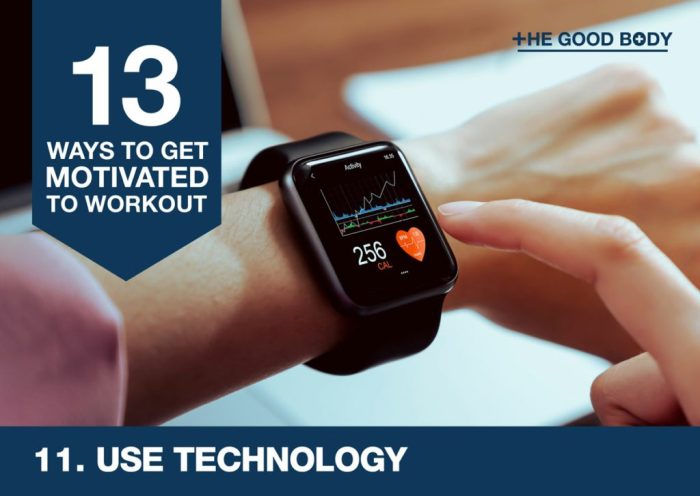
How to use technology to support regular exercise – Technology plays a crucial role in supporting regular exercise by providing tools and resources to help individuals track their fitness progress, stay motivated, and achieve their health goals.
Benefits of Using Technology for Exercise Tracking, How to use technology to support regular exercise
- Efficient tracking of workouts, calorie intake, and progress over time.
- Access to personalized exercise plans and workout routines based on individual fitness levels and goals.
- Real-time feedback and monitoring of heart rate, steps taken, and other important health metrics.
- Ability to connect with a community of like-minded individuals for support and accountability.
Popular Fitness Apps and Wearable Devices
- Fitness Apps: Examples include MyFitnessPal, Nike Training Club, and Strava, which offer a wide range of features such as workout tracking, meal planning, and social sharing.
- Wearable Devices: Devices like Fitbit, Apple Watch, and Garmin trackers provide accurate data on steps taken, heart rate, sleep quality, and more, making it easier to monitor progress and stay active throughout the day.
Mental Wellness and Exercise Technology
Exercise technology not only helps in physical fitness but also plays a significant role in supporting mental wellness. By incorporating mindfulness apps or meditation tools into fitness technology, individuals can enhance their overall well-being through regular exercise routines.
Integration of Mindfulness Apps with Fitness Technology
- Apps like Headspace or Calm offer guided meditation sessions that can be synced with workout routines.
- Fitness trackers like Fitbit or Apple Watch include breathing exercises and stress management features to promote mental relaxation.
Impact of Mental Wellness on Physical Fitness
- Improved mental health leads to increased motivation and adherence to exercise regimens.
- Reduced stress and anxiety levels can enhance overall physical performance during workouts.
- Technology that focuses on mental wellness can help individuals achieve a balanced approach to fitness, leading to better results.
Physical Fitness Tracking and Monitoring
Technology has revolutionized the way we track and monitor our physical fitness, making it easier than ever to stay on top of our exercise routines. By utilizing various devices and apps, individuals can now set goals and track their progress in real-time.
Different Ways Technology Can Track Physical Activity
- Fitness Trackers: These devices are designed to monitor metrics such as steps taken, distance traveled, calories burned, and even heart rate. They provide valuable data to help users understand their activity levels throughout the day.
- Smartwatches: In addition to tracking physical activity like fitness trackers, smartwatches offer additional features such as notifications, GPS tracking, and the ability to store music. They provide a more comprehensive approach to monitoring exercise and overall health.
- Mobile Apps: There are numerous apps available that can track physical activity using the sensors built into smartphones. These apps can provide insights into daily movement, help set goals, and offer motivation through challenges and rewards.
Comparison of Wearable Devices like Fitness Trackers and Smartwatches
- Fitness Trackers: Typically focused on fitness metrics, these devices are lightweight and discreet, making them ideal for everyday use. They are best suited for individuals looking to primarily track their physical activity and set goals based on steps, distance, and calories.
- Smartwatches: Offering more features beyond fitness tracking, smartwatches are like mini-computers on your wrist. They provide a broader range of functions, including notifications, apps, and customizable watch faces. Smartwatches are suitable for those seeking a multi-purpose device that integrates fitness tracking with other daily tasks.
Setting Goals and Monitoring Progress Using Fitness Technology
- Goal Setting: Utilize the data provided by fitness technology to set realistic and achievable goals. Whether it’s aiming for a certain number of steps per day or increasing workout intensity, having specific targets can help maintain motivation and track progress.
- Monitoring Progress: Regularly review your activity data to see how you are progressing towards your goals. Many devices and apps offer visual representations of your data, making it easy to identify trends and areas for improvement. Adjust your routine as needed to stay on track and continue making progress.
Healthy Eating and Technology Integration
Incorporating healthy eating habits is essential for overall well-being and complements regular exercise routines. Technology plays a crucial role in aiding individuals in meal planning for a balanced diet and making informed food choices.
Meal Planning Assistance
- Utilize nutrition apps like MyFitnessPal or Lose It! to track daily food intake and monitor macronutrient consumption.
- Explore websites such as Eat This Much or Mealime for personalized meal plans based on dietary preferences and nutritional needs.
Nutrition Apps and Websites
- MyFitnessPal: Allows users to log meals, track calorie intake, and set nutritional goals for better dietary management.
- Lose It!: Offers a database of food items with nutritional information, helping users make healthier food choices.
- Eat This Much: Generates meal plans based on specified calorie goals, food preferences, and dietary restrictions.
- Mealime: Provides tailored meal plans and recipes to suit individual dietary requirements and preferences.
Relationship between Healthy Eating, Exercise, and Technology
Technology integration in healthy eating complements exercise routines by ensuring proper nutrition for energy, muscle recovery, and overall health. By using nutrition apps and websites, individuals can make informed choices, track their progress, and maintain a balanced diet to support their fitness goals effectively.
Preventive Care through Technology and Exercise
Regular exercise supported by technology plays a crucial role in preventing various health issues. By leveraging the power of fitness tracking devices, virtual fitness classes, and telemedicine, individuals can take proactive steps towards maintaining their overall health and well-being.
Role of Telemedicine and Virtual Fitness Classes
- Telemedicine allows individuals to consult with healthcare professionals remotely, ensuring timely guidance and monitoring of their exercise routines.
- Virtual fitness classes offer a convenient way to stay active at home, reducing barriers to regular exercise and promoting long-term adherence to fitness goals.
- Both telemedicine and virtual fitness classes provide personalized support and feedback, fostering a sense of accountability and motivation in individuals.
Examples of Preventive Health Technologies
- Health tracking apps integrated with fitness programs enable users to monitor their physical activity, nutrition intake, and overall health status in real-time.
- Wearable devices such as smartwatches and fitness bands help individuals track their heart rate, sleep patterns, and calorie expenditure, providing valuable insights for optimizing their exercise routines.
- Online platforms offering preventive health assessments and personalized wellness plans empower users to proactively manage their health and prevent chronic conditions through lifestyle modifications.
Immunity Boosters and Technology in Fitness
Regular exercise plays a crucial role in boosting immunity and overall health. When combined with the right technology, it can enhance the effects of exercise on immune health, making us more resilient to illnesses. Let’s explore how technology can support immunity through fitness.
Impact of Regular Exercise on Immune Health with Technology Support
Regular physical activity has been shown to have a positive impact on the immune system. Exercise helps to flush bacteria out of the lungs and airways, increases circulation of white blood cells, and causes changes in antibodies and white blood cells that fight off infections. When technology is integrated into fitness routines, it can help track and monitor the effectiveness of workouts, ensuring that individuals are staying active and engaging in immune-boosting exercises.
- Wearable fitness trackers like Fitbit or Apple Watch can monitor heart rate, sleep patterns, and activity levels, providing valuable data on overall health and fitness.
- Fitness apps such as MyFitnessPal or Nike Training Club offer personalized workout plans, nutritional guidance, and progress tracking to help individuals stay on top of their fitness goals.
- Virtual fitness classes and online platforms provide access to guided workouts and training sessions, making it easier for individuals to stay active and engaged in their fitness routines.
Immune-Boosting Exercises and Technology Tools
Incorporating specific exercises into your routine can further enhance immune health. Combining these exercises with technology tools can help individuals track progress and stay motivated to continue their fitness journey.
- Cardiovascular Exercises: Activities like running, cycling, or swimming can improve cardiovascular health and boost the immune system. Using a fitness tracker to monitor heart rate and distance covered can help individuals stay on track with their cardio workouts.
- Strength Training: Building muscle through strength training exercises can increase metabolism and improve overall fitness. Apps that provide guided strength workouts and track progress can be valuable tools for individuals looking to boost their immune system through strength training.
- Yoga and Mindfulness: Practicing yoga and mindfulness exercises can reduce stress levels and improve mental well-being, which in turn can strengthen the immune system. Apps that offer yoga classes and meditation sessions can support individuals in incorporating these practices into their daily routine.
Holistic Wellness Approach with Technology
In today’s fast-paced world, achieving holistic wellness is crucial for overall well-being. This approach emphasizes the integration of mind, body, and spirit to achieve optimal health. Technology plays a vital role in supporting this holistic approach, especially when it comes to fitness and exercise.
Examples of Holistic Wellness Apps or Platforms Integrating Exercise Support
- One popular example is the app called “Calm” which not only offers guided meditation for mental wellness but also includes yoga and stretching exercises for physical well-being.
- Another great platform is “MyFitnessPal” which not only tracks your daily food intake but also provides exercise routines and tips to support a well-rounded fitness journey.
- The “Headspace” app combines mindfulness practices with workout sessions to promote a holistic approach to mental and physical health.
Benefits of a Holistic Approach to Fitness Supported by Technology
- Improved overall well-being by addressing mental, emotional, and physical health simultaneously.
- Greater motivation and accountability through personalized workout plans and progress tracking.
- Enhanced stress management and relaxation techniques through mindfulness practices integrated into fitness routines.
- Better understanding of the interconnectedness of mind and body, leading to more sustainable lifestyle changes.
Chronic Disease Management with Technological Support
Regular exercise plays a crucial role in managing chronic diseases, and technology can greatly assist individuals in staying active and healthy. By utilizing personalized fitness plans tailored to specific chronic conditions, technology can enhance the effectiveness of exercise routines and improve overall well-being.
Importance of Personalized Fitness Plans
- Technology allows for the creation of customized workout regimens based on individual health goals and limitations.
- Personalized plans take into account specific chronic conditions, ensuring that exercises are safe and beneficial for the individual.
- By tracking progress and adjusting routines as needed, technology helps individuals stay motivated and committed to their exercise goals.
Examples of Improved Chronic Disease Management
- Smart wearable devices such as fitness trackers and smartwatches monitor vital signs and activity levels, providing real-time feedback to users.
- Mobile apps offer guided workouts, nutritional guidance, and reminders to help individuals with chronic diseases stay on track with their fitness and wellness goals.
- Virtual reality fitness programs make exercise engaging and enjoyable for individuals with chronic conditions, improving adherence to regular physical activity.
Tips for Utilizing Technology for a Balanced Fitness Regimen: How To Use Technology To Support Regular Exercise
In today’s fast-paced world, technology plays a crucial role in helping us stay on track with our fitness goals. By incorporating the right tools and strategies, you can create a balanced fitness regimen that supports your overall wellness.
Practical Tips for Daily Exercise Routines
- Use fitness apps to track your workouts and progress over time. This can help you stay motivated and accountable.
- Invest in wearable fitness trackers to monitor your activity levels, heart rate, and sleep patterns. These devices provide valuable insights for optimizing your fitness routine.
- Join virtual fitness classes or workout communities to stay connected with others who share similar fitness goals. This can boost your motivation and commitment to regular exercise.
Strategies for Staying Motivated with Technology
- Set specific goals and milestones using fitness apps or online platforms. Celebrate your achievements to maintain motivation and momentum.
- Utilize social media to share your fitness journey and connect with others for support and encouragement. Positive feedback can keep you motivated during challenging times.
- Experiment with different workout videos or online training programs to keep your routine fresh and engaging. Variety is key to preventing boredom and staying motivated.
Importance of a Balanced Approach to Using Technology
- Avoid relying solely on technology for your fitness regimen. Remember to listen to your body and prioritize rest, recovery, and proper nutrition.
- Use technology as a tool to enhance your fitness journey, not as a replacement for fundamental healthy habits like regular exercise and balanced nutrition.
- Stay mindful of screen time and digital distractions that can interfere with your workout focus. Set boundaries and prioritize in-person interactions for a well-rounded approach to wellness.
FAQs
How can technology improve my exercise routine?
Technology can enhance your exercise routine by providing real-time feedback, setting personalized goals, and offering a variety of workout options to keep you engaged.
Are fitness apps accurate in tracking physical activity?
Most fitness apps are reliable in tracking physical activity, but it’s essential to choose one with good user reviews and accurate data tracking features.
Can technology help in managing chronic diseases through exercise?
Yes, technology can assist in managing chronic diseases by providing personalized fitness plans, monitoring progress, and offering virtual fitness classes tailored to specific conditions.


More Stories
Preventive Care for High Blood Pressure Management
Advances in chronic disease treatment and care: Enhancing Health and Well-being
Top holistic wellness practices for beginners – A Beginners Guide to Overall Well-being