Mental Wellness
Advances in chronic disease treatment and care – Managing chronic diseases goes beyond just physical symptoms; mental wellness plays a crucial role in overall health and treatment outcomes.
Importance of Mental Wellness
- Reducing stress and anxiety levels can help in managing symptoms and preventing complications of chronic conditions.
- Improving mental wellness can lead to better adherence to treatment plans and healthier lifestyle choices.
- Enhancing emotional well-being can positively impact the immune system and overall functioning of the body.
Mental Wellness Practices
- Regular exercise and physical activity have been shown to improve mood and reduce symptoms of depression and anxiety.
- Mindfulness meditation and deep breathing exercises can help in managing stress and promoting relaxation.
- Engaging in hobbies and activities that bring joy and fulfillment can boost mental wellness and overall quality of life.
Impact on Treatment Outcomes
- Patients with better mental wellness are more likely to respond positively to medical interventions and experience improved recovery rates.
- Poor mental health can lead to treatment non-compliance and increased risk of complications in chronic disease management.
- Integrating mental wellness practices into treatment plans can enhance the overall effectiveness of healthcare interventions.
Physical Fitness
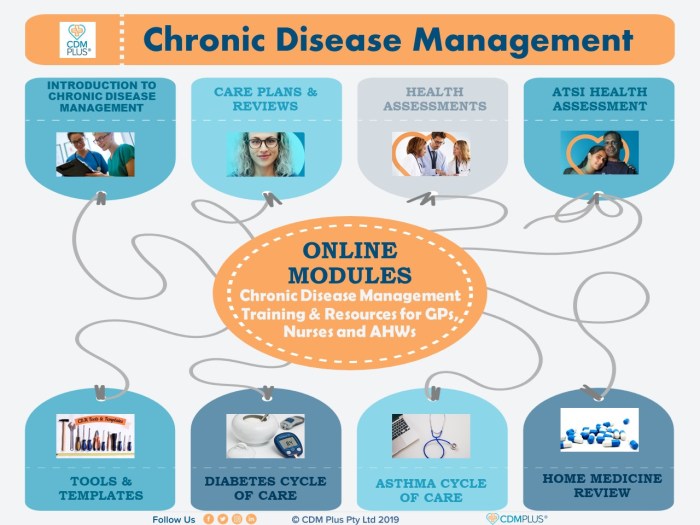
Regular physical fitness plays a crucial role in the management of chronic diseases. It can help improve overall health, reduce symptoms, and enhance quality of life for individuals dealing with chronic conditions.
The Role of Physical Fitness in Chronic Disease Management
Regular exercise can help control weight, improve cardiovascular health, strengthen muscles, and boost immunity. It also helps in managing stress levels and improving mental well-being. For individuals with chronic diseases such as diabetes, cardiovascular conditions, arthritis, or respiratory disorders, incorporating physical activity into their routine can make a significant difference in their overall health outcomes.
- Cardiovascular exercises like walking, cycling, swimming, or dancing can improve heart health and circulation.
- Strength training exercises using resistance bands or weights can help build muscle mass and improve bone density.
- Flexibility exercises like yoga or Pilates can enhance joint mobility and reduce the risk of injuries.
Benefits of Regular Physical Activity for Chronic Disease Patients
Engaging in regular physical activity not only helps in managing symptoms of chronic diseases but also improves overall quality of life. It can lead to increased energy levels, better sleep patterns, improved mood, and enhanced self-esteem. Additionally, regular exercise can help individuals with chronic illnesses maintain their independence, reduce the need for medications, and lower the risk of developing additional health complications.
Overall, physical fitness should be considered an essential component of the treatment and care plan for individuals with chronic diseases, as it can have a positive impact on their overall health and well-being.
Healthy Eating
Healthy eating plays a crucial role in the treatment and care of chronic diseases. A well-balanced diet rich in essential nutrients can help manage symptoms, lower the risk of complications, and improve overall quality of life for individuals living with chronic conditions.
Nutrient-rich Foods for Overall Health
Consuming nutrient-dense foods is essential for maintaining optimal health and well-being. Examples of such foods include:
- Fruits and vegetables: Packed with vitamins, minerals, and antioxidants that support immune function and reduce inflammation.
- Whole grains: Excellent sources of fiber, which aids in digestion and helps regulate blood sugar levels.
- Lean proteins: Essential for muscle repair and growth, as well as providing long-lasting energy.
- Healthy fats: Found in foods like avocados, nuts, and olive oil, these fats are important for brain health and reducing the risk of heart disease.
Impact of Dietary Changes on Chronic Disease Management
Making positive changes to one’s diet can have a significant impact on the management of chronic diseases. By incorporating more nutrient-rich foods and reducing the intake of processed foods high in sugar, salt, and unhealthy fats, individuals can:
- Stabilize blood sugar levels in diabetes.
- Lower cholesterol and blood pressure levels in cardiovascular disease.
- Reduce inflammation in conditions like arthritis and inflammatory bowel disease.
- Support healthy weight management, which is crucial for conditions like obesity and metabolic syndrome.
Preventive Care
Preventive care plays a crucial role in reducing the risk of chronic diseases by focusing on early detection and management. By taking proactive measures, individuals can maintain their health and well-being, ultimately leading to a better quality of life.
Importance of Preventive Care
- Regular check-ups and screenings can help identify any potential health issues before they progress into chronic conditions.
- Preventive measures such as vaccinations, healthy lifestyle choices, and screenings for conditions like high blood pressure and diabetes can significantly reduce the risk of developing chronic diseases.
- Early detection through preventive care allows for timely intervention and treatment, increasing the chances of successful outcomes.
Examples of Preventive Measures
- Annual physical exams to monitor overall health and detect any abnormalities.
- Vaccinations to prevent infectious diseases such as influenza and pneumonia.
- Regular screenings for conditions like breast cancer, colorectal cancer, and cardiovascular disease.
Role of Regular Check-ups and Screenings
- Regular check-ups with healthcare providers help track changes in health status and address any concerns promptly.
- Screenings for risk factors such as high cholesterol, obesity, and hypertension can guide individuals towards necessary lifestyle modifications and early interventions.
- Early identification of potential health issues through screenings can lead to effective management and prevention of chronic diseases.
Balanced Diet: Advances In Chronic Disease Treatment And Care
A balanced diet is essential for managing chronic illnesses as it provides the necessary nutrients to support overall health and well-being. By incorporating a variety of foods from different food groups, individuals can ensure they are meeting their nutritional needs and maintaining optimal health.
Importance of a Balanced Diet in Managing Chronic Illnesses
A well-balanced meal plan plays a crucial role in managing chronic diseases by helping to regulate blood sugar levels, reduce inflammation, and support the immune system. It can also aid in weight management and improve energy levels, which are important factors in managing chronic conditions.
- Include a variety of fruits and vegetables to ensure adequate intake of vitamins, minerals, and antioxidants.
- Incorporate whole grains, lean proteins, and healthy fats to provide sustained energy and promote heart health.
- Avoid processed foods, sugary beverages, and excessive salt to reduce the risk of exacerbating symptoms of chronic illnesses.
Impact of a Balanced Diet on Overall Health and Disease Management
Following a balanced diet not only helps in managing chronic diseases but also contributes to overall health and well-being. It can improve digestion, boost immunity, and reduce the risk of developing other health conditions. Additionally, a balanced diet can enhance the effectiveness of medications and treatments for chronic illnesses.
Regular Exercise
Regular exercise plays a crucial role in managing chronic conditions and improving overall well-being. It offers a multitude of benefits, including increased strength, improved cardiovascular health, enhanced mood, and better management of symptoms associated with chronic diseases.
Benefits of Regular Exercise for Individuals with Chronic Conditions
- Improved cardiovascular health: Regular exercise can help lower blood pressure, reduce cholesterol levels, and improve heart function, which is especially beneficial for individuals with heart disease or diabetes.
- Enhanced muscle strength and flexibility: Exercise routines that focus on strength training and flexibility can help individuals with arthritis or osteoporosis improve their mobility and reduce pain.
- Weight management: Physical activity can aid in weight loss or maintenance, which is essential for individuals with obesity-related chronic conditions such as diabetes or hypertension.
- Mood regulation: Exercise releases endorphins, which can help alleviate symptoms of depression and anxiety commonly experienced by individuals with chronic conditions.
Examples of Exercise Routines Tailored to Specific Chronic Diseases
| Chronic Disease | Exercise Routine |
|---|---|
| Arthritis | Low-impact activities like swimming, cycling, or yoga to improve joint flexibility and reduce pain. |
| Diabetes | Aerobic exercises like walking or dancing to help control blood sugar levels and improve cardiovascular health. |
| Chronic Obstructive Pulmonary Disease (COPD) | Breathing exercises and walking to enhance lung function and overall endurance. |
Incorporating Regular Physical Activity for Improved Symptoms and Overall Well-being
Regular physical activity can lead to significant improvements in symptom management and overall quality of life for individuals with chronic conditions. By engaging in exercise routines tailored to their specific needs, individuals can experience reduced pain, improved mobility, better mood regulation, and enhanced overall well-being. It is essential to consult healthcare professionals or fitness experts to develop a safe and effective exercise plan that aligns with individual health goals and medical considerations.
Mental Health
Mental health plays a crucial role in the management of chronic diseases. The connection between mental health and chronic disease management is bidirectional, as individuals with chronic illnesses are more likely to experience mental health issues such as depression, anxiety, and stress. On the other hand, poor mental health can also exacerbate chronic conditions by affecting treatment adherence, lifestyle choices, and overall well-being.
Mental Health Practices for Chronic Illness Support
Implementing specific mental health practices can greatly benefit individuals with chronic illnesses by improving their overall quality of life and treatment outcomes:
- Engaging in therapy or counseling sessions to address emotional challenges and coping strategies.
- Practicing mindfulness and meditation techniques to reduce stress and promote relaxation.
- Participating in support groups to connect with others facing similar health struggles and share experiences.
- Incorporating stress management techniques like deep breathing exercises or yoga into daily routines.
Importance of Addressing Mental Health in Chronic Disease Treatment Plans
Addressing mental health in overall treatment plans for chronic conditions is essential for comprehensive care and improved health outcomes:
- Improved adherence to treatment regimens and medication management.
- Enhanced emotional well-being and quality of life for individuals living with chronic illnesses.
- Reduced risk of complications and hospitalizations due to better mental health support.
- Promotion of holistic health by considering the interconnectedness of mental and physical well-being.
Holistic Wellness
Holistic wellness is a multidimensional approach to health that considers the overall well-being of an individual, encompassing physical, mental, emotional, and spiritual aspects. When it comes to treating chronic diseases, holistic wellness plays a crucial role in addressing the root causes of ailments rather than just focusing on symptoms.
Examples of Holistic Approaches
- Yoga and meditation practices to promote mental and emotional well-being while also improving physical health through flexibility and strength.
- Nutritional therapy that focuses on a balanced diet to support the body’s natural healing process and boost immunity.
- Acupuncture and traditional Chinese medicine techniques to restore energy flow and promote overall wellness.
Complementing Traditional Medical Treatments
Holistic wellness practices can complement traditional medical treatments for chronic conditions by providing additional support and promoting overall health. For example, integrating stress-reducing techniques such as mindfulness meditation alongside medication for hypertension can lead to better blood pressure management. By addressing the mind-body connection and focusing on preventive care, holistic approaches can enhance the effectiveness of conventional treatments and improve the quality of life for individuals living with chronic diseases.
Chronic Diseases
Chronic diseases are long-lasting conditions that require ongoing management and care. These conditions often do not have a cure and can impact a person’s quality of life significantly. Common examples of chronic diseases include diabetes, heart disease, arthritis, asthma, and cancer.
Challenges of Living with Chronic Conditions
Living with a chronic disease can present numerous challenges for individuals. Some of these challenges include managing symptoms on a daily basis, adhering to complex treatment regimens, dealing with potential complications, coping with the emotional impact of the disease, and facing social stigmas and limitations.
Advances in Treatment Options
Recent years have seen significant advancements in the treatment options available for various chronic diseases. These include the development of targeted therapies, precision medicine approaches, minimally invasive procedures, and innovative technologies such as telemedicine and wearable devices. These advancements aim to improve disease management, enhance quality of life, and prolong survival for individuals living with chronic conditions.
Immunity Boosters
Immunity boosters play a crucial role in preventing and managing chronic illnesses by strengthening the body’s defense mechanisms against infections and diseases. By enhancing immunity, individuals can better cope with the symptoms and complications of chronic conditions, leading to improved overall health and well-being.
Natural Immunity-Boosting Foods and Supplements, Advances in chronic disease treatment and care
Consuming a diet rich in natural immunity-boosting foods and supplements can help support the immune system and reduce the risk of chronic diseases. Some examples include:
- Fruits and vegetables high in vitamins C and E, such as citrus fruits, berries, and leafy greens.
- Probiotic-rich foods like yogurt, kefir, and sauerkraut to promote gut health.
- Herbs and spices like turmeric, garlic, and ginger known for their anti-inflammatory properties.
- Supplements like vitamin D, zinc, and echinacea that can help strengthen immunity.
Benefits of Enhancing Immunity
Improving immunity can provide several benefits for individuals dealing with chronic diseases, including:
- Reduced frequency and severity of infections that can exacerbate chronic conditions.
- Enhanced response to treatment and medications, leading to better disease management.
- Increased energy levels and reduced fatigue, improving overall quality of life.
- Lowered risk of developing complications related to chronic illnesses.
Question & Answer Hub
What role does mental wellness play in managing chronic diseases?
Mental wellness is crucial in managing chronic diseases as it can significantly impact treatment outcomes and overall health. Practices like mindfulness, therapy, and stress management techniques can help individuals cope better with their conditions.
How does a balanced diet contribute to managing chronic illnesses?
A balanced diet is essential for individuals with chronic diseases as it provides the necessary nutrients to support their health and well-being. By following a well-structured meal plan, individuals can better manage their conditions and improve their overall quality of life.
What are some examples of immunity boosters for individuals with chronic illnesses?
Natural immunity-boosting foods like citrus fruits, garlic, and yogurt, along with supplements such as vitamin C and probiotics, can help individuals enhance their immune system to better cope with chronic diseases.


More Stories
Preventive Care for High Blood Pressure Management
Top holistic wellness practices for beginners – A Beginners Guide to Overall Well-being
How to use technology to support regular exercise: A guide to integrating fitness apps and wearable devices