Mental Wellness
Starting a holistic wellness journey often begins with taking care of our mental well-being. Incorporating mindfulness practices into our daily routine can have a significant impact on reducing stress and improving our overall mental health. Self-care activities are also crucial for maintaining good mental health, as they help us prioritize our well-being and find balance in our lives.
Mindfulness Practices
- Start your day with a few minutes of deep breathing or meditation to center yourself and set a positive tone for the day.
- Practice being present in the moment by focusing on your senses and the task at hand, whether it’s eating, walking, or simply breathing.
- Try incorporating mindfulness exercises like body scans or progressive muscle relaxation to release tension and promote relaxation.
Relaxation Techniques
- Engage in activities like yoga, tai chi, or qigong to combine movement with mindfulness and promote relaxation.
- Practice deep breathing exercises to calm your mind and body, reducing stress and anxiety levels.
- Explore hobbies or activities that bring you joy and allow you to unwind, such as painting, gardening, or listening to music.
Self-Care Activities
- Set boundaries and learn to say no when you need to prioritize your well-being and mental health.
- Take regular breaks throughout the day to recharge and prevent burnout, whether it’s a short walk outside or a quick mindfulness practice.
- Make time for activities that nourish your soul, such as spending time in nature, practicing gratitude, or connecting with loved ones.
Physical Fitness
Starting a physical fitness journey can be daunting for beginners, but it is important to begin with low-impact exercises to avoid injury and build a solid foundation.
Benefits of Starting with Low-Impact Exercises
Low-impact exercises such as walking, swimming, or cycling are gentle on the joints and muscles, making them ideal for beginners. These exercises help improve cardiovascular health, increase endurance, and build strength without putting too much strain on the body.
Gradually Increasing Physical Activity
To improve fitness levels, beginners should gradually increase the intensity and duration of their workouts. This can be done by adding more repetitions, increasing resistance, or trying new exercises. It is important to listen to your body and not push yourself too hard too soon.
Role of Consistency in a Beginner’s Fitness Journey
Consistency is key in a beginner’s fitness journey. Regular exercise helps build stamina, strength, and endurance over time. By sticking to a workout routine and making physical activity a priority, beginners can see progress and improvements in their overall fitness levels.
Healthy Eating
Incorporating a healthy eating plan is essential for overall wellness and vitality. By focusing on nutrient-dense foods and making mindful choices, you can support your physical and mental well-being.
Easy and Nutritious Recipes
- Quinoa Salad with Roasted Vegetables: A simple dish packed with protein, fiber, and vitamins. Cook quinoa according to package instructions and toss with roasted veggies like bell peppers, zucchini, and cherry tomatoes. Drizzle with olive oil and lemon juice for extra flavor.
- Chia Seed Pudding: A delicious and nutritious breakfast or snack option. Mix chia seeds with almond milk and a sweetener of your choice. Let it sit overnight in the fridge, then top with fresh fruits and nuts before serving.
- Vegetable Stir-Fry: A quick and easy way to get your veggies in. Sauté your favorite vegetables in a pan with a bit of olive oil and soy sauce. Serve over brown rice or quinoa for a satisfying meal.
Tips for Healthier Grocery Shopping
- Plan Ahead: Create a shopping list based on your meal plan to avoid impulse purchases.
- Read Labels: Look for whole, unprocessed foods and avoid products with added sugars and unhealthy fats.
- Shop the Perimeter: Focus on fresh produce, lean proteins, and whole grains found around the edges of the grocery store.
Importance of Balanced Meals and Portion Control
Maintaining a balance of macronutrients (protein, carbohydrates, and fats) in each meal is crucial for sustained energy levels and overall health. Portion control helps prevent overeating and supports weight management goals. Remember to listen to your body’s hunger and fullness cues to guide your portion sizes.
Preventive Care
Regular health check-ups are crucial for preventive care as they help in early detection of any health issues, allowing for timely intervention and treatment. By staying proactive and monitoring your health regularly, you can prevent potential complications and maintain overall well-being.
Common Preventive Screenings
- Blood pressure monitoring: Regular checks can help in identifying hypertension early on.
- Cholesterol level testing: Screening for high cholesterol can prevent heart disease and stroke.
- Blood sugar testing: Important for detecting diabetes and managing blood sugar levels.
- Cancer screenings: Depending on age and risk factors, screenings like mammograms, colonoscopies, and pap smears can help in early cancer detection.
Role of Vaccinations
Vaccinations play a crucial role in preventive healthcare by protecting individuals from infectious diseases. By getting vaccinated, you not only safeguard your health but also contribute to community immunity, reducing the spread of illnesses. It is important to follow the recommended vaccination schedule to ensure optimal protection against preventable diseases.
Balanced Diet
Creating a balanced diet is essential for overall health and well-being. It involves including a variety of nutrients from different food groups to ensure your body gets all the essential vitamins and minerals it needs to function properly.
Guidelines for Creating a Well-Rounded Meal Plan
- Include a mix of fruits, vegetables, whole grains, lean proteins, and healthy fats in each meal.
- Aim for a colorful plate to ensure you are getting a variety of nutrients.
- Limit processed foods, sugary drinks, and unhealthy fats.
- Stay hydrated by drinking plenty of water throughout the day.
Importance of Including a Variety of Food Groups
Top holistic wellness practices for beginners – A balanced diet ensures that you are getting all the essential nutrients your body needs to function optimally. Each food group provides different vitamins, minerals, and macronutrients that play a crucial role in maintaining overall health and preventing deficiencies.
Impact of Hydration on Maintaining a Balanced Diet, Top holistic wellness practices for beginners
Hydration is key to maintaining a balanced diet as water is essential for digestion, nutrient absorption, and overall bodily functions. Drinking an adequate amount of water each day helps to keep your body hydrated and supports the proper functioning of your organs.
Regular Exercise: Top Holistic Wellness Practices For Beginners
Regular exercise plays a crucial role in holistic wellness, promoting physical strength, mental clarity, and overall well-being. Setting realistic fitness goals is essential for beginners to stay motivated and track their progress effectively.
Types of Exercises for Different Fitness Levels
When starting a fitness routine, it’s important to choose exercises that match your current fitness level. Here are examples of different types of exercises suitable for beginners to advanced levels:
- Low-intensity cardio: Walking, cycling, or swimming are great options for beginners to improve cardiovascular health.
- Bodyweight exercises: Push-ups, squats, and planks help build strength without the need for equipment.
- Yoga or Pilates: These low-impact exercises focus on flexibility, balance, and core strength, suitable for all fitness levels.
- High-intensity interval training (HIIT): Advanced exercisers can benefit from HIIT workouts to boost metabolism and endurance.
Benefits of Cardio and Strength Training
Incorporating both cardio and strength training into your workout routine offers a range of benefits:
- Cardio exercises improve heart health, burn calories, and enhance endurance.
- Strength training helps build muscle mass, increase metabolism, and improve overall strength and balance.
- Combining both types of exercise leads to a well-rounded fitness regimen, promoting weight loss, muscle tone, and overall fitness levels.
Mental Health
Mental health plays a crucial role in overall well-being as it affects how we think, feel, and act. It is important to prioritize mental health just as much as physical health to lead a balanced and fulfilling life.
Strategies for Managing and Coping with Stress Effectively
Stress is a common part of life, but it is essential to manage it effectively to prevent it from impacting mental health negatively. Here are some strategies to cope with stress:
- Practice mindfulness and meditation to stay present and calm the mind.
- Engage in physical activities like yoga or exercise to reduce stress levels.
- Prioritize self-care activities such as getting enough sleep and eating nutritiously.
- Seek support from friends, family, or a therapist to talk about your feelings and emotions.
- Set boundaries and learn to say no to tasks or commitments that cause excessive stress.
The Importance of Seeking Professional Help When Needed
It is essential to recognize when stress or mental health issues become overwhelming and seek professional help. Here are some reasons why seeking professional help is important:
- Therapists and counselors can provide valuable tools and coping mechanisms to manage mental health challenges.
- Professionals can offer a safe and non-judgmental space to express thoughts and feelings.
- Medication and therapy can be beneficial in treating conditions such as anxiety or depression.
- Early intervention and treatment can prevent mental health issues from worsening.
Holistic Wellness
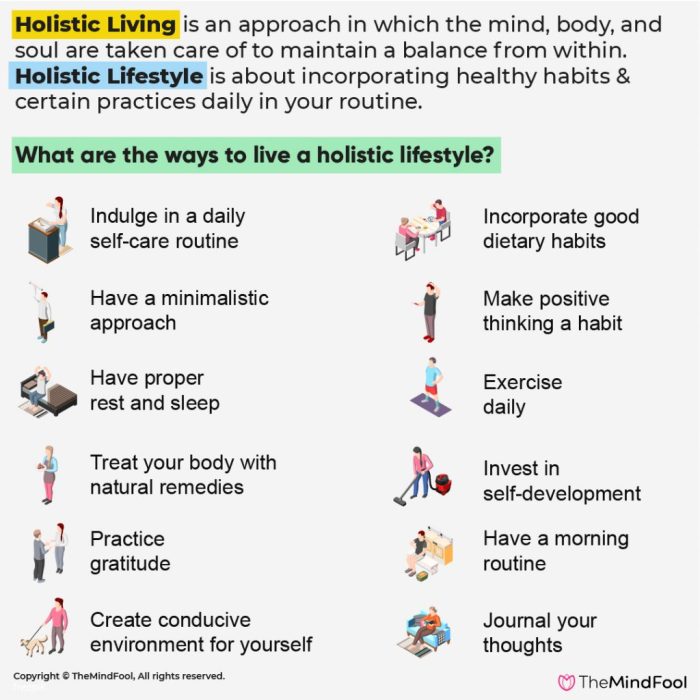
Holistic wellness refers to the practice of maintaining overall well-being by considering the interconnectedness of physical, mental, and emotional health. It emphasizes treating the whole person, rather than just individual symptoms or parts of the body.
Examples of Holistic Practices
- Yoga: Combines physical postures, breathing techniques, and meditation to improve flexibility, strength, and mental clarity.
- Meditation: A mindfulness practice that helps reduce stress, increase self-awareness, and promote emotional balance.
- Aromatherapy: The use of essential oils to enhance mood, alleviate stress, and support overall well-being through the sense of smell.
Benefits of Holistic Wellness
- Improved overall health: By addressing physical, mental, and emotional aspects, holistic practices can lead to better health outcomes.
- Stress reduction: Holistic approaches like yoga and meditation can help manage stress and promote relaxation.
- Enhanced emotional well-being: Practices such as aromatherapy can support emotional balance and mental clarity.
Chronic Diseases
Chronic diseases are long-lasting conditions that often progress slowly over time and require ongoing management. Some common chronic diseases include heart disease, diabetes, hypertension, arthritis, and asthma. These conditions can significantly impact a person’s quality of life and may lead to complications if not properly managed.
Common Chronic Diseases and Risk Factors
- Heart Disease: Risk factors include high blood pressure, high cholesterol, smoking, obesity, and lack of physical activity.
- Diabetes: Risk factors include family history, obesity, unhealthy diet, and lack of exercise.
- Hypertension: Risk factors include family history, age, obesity, high salt intake, and stress.
- Arthritis: Risk factors include age, obesity, joint injuries, and genetics.
- Asthma: Risk factors include family history, exposure to allergens, smoking, and respiratory infections.
Lifestyle Changes for Prevention and Management
- Healthy Diet: Eating a balanced diet rich in fruits, vegetables, whole grains, and lean proteins can help prevent and manage chronic diseases.
- Regular Exercise: Engaging in physical activity for at least 30 minutes a day can improve overall health and reduce the risk of chronic conditions.
- Stress Management: Practicing relaxation techniques such as meditation, yoga, or deep breathing can help lower stress levels and improve health outcomes.
- Weight Management: Maintaining a healthy weight through diet and exercise can reduce the risk of developing chronic diseases.
Regular Monitoring and Communication with Healthcare Providers
Regular check-ups and screenings can help detect chronic conditions early and prevent complications. It is essential to communicate openly with healthcare providers about symptoms, treatment adherence, and any concerns to ensure optimal management of chronic diseases.
Immunity Boosters
Nutrition plays a crucial role in boosting the immune system. By consuming immune-boosting foods and supplements, beginners can enhance their overall health and well-being. Additionally, adequate sleep and stress management are vital for maintaining a healthy immune system.
Immune-Boosting Foods and Supplements
- Include foods rich in vitamin C, such as citrus fruits, bell peppers, and strawberries.
- Incorporate garlic, ginger, and turmeric into your meals for their immune-boosting properties.
- Consider taking probiotics to support gut health, which is closely linked to immune function.
- Explore the benefits of incorporating echinacea, zinc, and elderberry supplements into your routine.
The Importance of Sleep and Stress Management
Adequate sleep is essential for the body to repair and regenerate, supporting a strong immune system. Aim for 7-9 hours of quality sleep each night to optimize immune function.
Manage stress through relaxation techniques like meditation, yoga, or deep breathing exercises. Chronic stress can weaken the immune system, making stress management crucial for overall health.
Helpful Answers
Can beginners start holistic wellness practices without any prior experience?
Yes, beginners can start holistic wellness practices by incorporating simple and gradual changes into their daily routine. Start with small steps and gradually build up to more advanced practices.
How often should beginners engage in physical fitness activities?
Beginners should aim for at least 30 minutes of moderate physical activity most days of the week. It’s important to listen to your body and gradually increase the intensity and duration of your workouts.
Are there any specific foods that beginners should include in their balanced diet?
Beginners should focus on incorporating a variety of fruits, vegetables, whole grains, lean proteins, and healthy fats into their meals. Experiment with different foods to find what works best for your body.
How can beginners manage stress and improve their mental well-being?
Beginners can manage stress by practicing mindfulness, meditation, deep breathing exercises, and engaging in activities they enjoy. It’s also important to prioritize self-care and seek support when needed.
Is it necessary for beginners to consult a healthcare provider before starting a new wellness regimen?
It’s always a good idea for beginners to consult with a healthcare provider before making significant changes to their wellness routine, especially if they have any underlying health conditions or concerns.


More Stories
Preventive Care for High Blood Pressure Management
Advances in chronic disease treatment and care: Enhancing Health and Well-being
How to use technology to support regular exercise: A guide to integrating fitness apps and wearable devices