Mental Wellness
Maintaining mental wellness is a crucial component of preventive care as it directly impacts our overall health and well-being. By prioritizing mental wellness, individuals can reduce the risk of developing various physical and mental health conditions, leading to a better quality of life.
Incorporating Mental Wellness Practices
- Practice mindfulness and meditation to reduce stress and improve focus.
- Engage in regular physical activity to boost mood and reduce symptoms of anxiety and depression.
- Cultivate a strong support system by connecting with friends, family, or a therapist for emotional support.
- Prioritize self-care activities such as adequate sleep, healthy eating, and relaxation techniques.
Impact of Stress on Overall Health
Stress not only affects mental well-being but also has a profound impact on physical health. Chronic stress can weaken the immune system, increase the risk of heart disease, and contribute to the development of various health conditions. It is essential to manage stress effectively to prevent these negative consequences.
Learning to manage stress through relaxation techniques, breathing exercises, and seeking professional help when needed can significantly improve overall health and well-being.
Physical Fitness
Regular physical activity plays a crucial role in preventive care by helping maintain a healthy body and mind. By incorporating exercise into your routine, you can improve your overall health and reduce the risk of various chronic diseases.
Examples of Exercise Routines for Different Fitness Levels
- For beginners: Walking, light jogging, or gentle yoga can be great starting points to build endurance and strength.
- For intermediate levels: Incorporating strength training, cycling, or swimming can help increase muscle mass and cardiovascular fitness.
- For advanced levels: High-intensity interval training (HIIT), CrossFit, or marathon training can challenge your body and push your limits.
Benefits of Regular Physical Activity on Overall Health
Regular physical activity offers numerous benefits, including:
- Improved cardiovascular health and reduced risk of heart disease.
- Enhanced mental well-being and reduced stress levels.
- Weight management and increased metabolism.
- Stronger muscles and bones, reducing the risk of osteoporosis.
- Better sleep quality and overall energy levels.
Healthy Eating
Eating a balanced and nutritious diet plays a crucial role in preventive care as it helps maintain overall health and well-being, reduces the risk of chronic diseases, and boosts the immune system.
Creating a Balanced Diet Plan
- Include a variety of fruits and vegetables in your meals to ensure you get a wide range of vitamins and minerals.
- Incorporate whole grains, lean proteins, and healthy fats into your diet to provide essential nutrients for your body.
- Avoid processed foods, sugary drinks, and excessive salt intake to reduce the risk of heart disease, diabetes, and other health conditions.
- Stay hydrated by drinking an adequate amount of water throughout the day to support digestion and overall health.
Impact of Nutrition on Well-Being
How to develop a personalized preventive care plan – Proper nutrition is essential for maintaining a healthy weight, promoting mental clarity, and improving energy levels. Nutrient-dense foods can help prevent deficiencies and support optimal functioning of the body.
Preventive Care
Preventive care involves taking proactive steps to prevent illness or detect health issues early on, before they become serious. It is essential in maintaining overall health and well-being.
Preventive Screenings and Health Checks
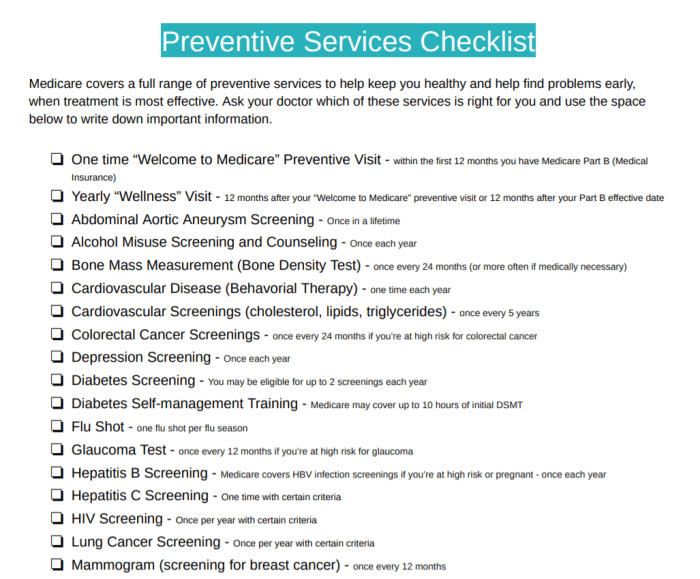
Regular check-ups and screenings are crucial for individuals of all ages to catch potential health problems early. Here are some examples of preventive screenings and health checks based on different age groups:
- Children and Adolescents: Vaccinations, growth and developmental assessments, vision and hearing screenings.
- Adults (18-64 years): Blood pressure checks, cholesterol screenings, diabetes screenings, cancer screenings (e.g., mammograms, colonoscopies).
- Seniors (65+ years): Bone density tests, cognitive assessments, screenings for chronic conditions like osteoporosis and dementia.
Early detection through these screenings can lead to timely interventions and prevent the development of chronic diseases.
Balanced Diet
A balanced diet plays a crucial role in maintaining overall health and preventing diseases. It consists of a variety of foods that provide essential nutrients for the body to function optimally.
Components of a Balanced Diet and Their Importance
- Proteins: Essential for building and repairing tissues, enzymes, and hormones.
- Carbohydrates: Main source of energy for the body.
- Fats: Important for brain function, hormone production, and absorption of fat-soluble vitamins.
- Vitamins and Minerals: Support various bodily functions and help prevent deficiencies.
- Fiber: Aids in digestion and helps maintain a healthy gut.
Meal Ideas for a Balanced Diet
Here are some meal ideas that promote a balanced diet:
- Grilled salmon with quinoa and roasted vegetables.
- Vegetable stir-fry with tofu and brown rice.
- Greek yogurt with mixed berries and nuts for breakfast.
- Chicken and vegetable kebabs with whole wheat pita bread.
Maintaining a Balanced Diet with Personal Preferences and Dietary Restrictions
It is possible to maintain a balanced diet while considering personal preferences and dietary restrictions. Here are some tips:
- Experiment with different foods to find healthy options that you enjoy.
- Include a variety of colors in your meals to ensure you are getting a range of nutrients.
- Consult with a nutritionist or dietitian to create a personalized meal plan that meets your dietary needs.
- Read food labels carefully to avoid ingredients that you are allergic to or intolerant of.
Regular Exercise
Regular exercise is a crucial component of a personalized preventive care plan, offering a wide range of benefits for both physical and mental health. Incorporating regular physical activity into your routine can help reduce the risk of chronic diseases, improve cardiovascular health, boost mood, and enhance overall well-being.
Types of Exercises for Various Fitness Goals
- Cardiovascular Exercises: Running, cycling, swimming, and dancing are great for improving heart health and increasing stamina.
- Strength Training: Weightlifting, bodyweight exercises, and resistance band workouts help build muscle strength and tone the body.
- Flexibility and Balance Exercises: Yoga, Pilates, and tai chi can improve flexibility, balance, and posture, reducing the risk of falls and injuries.
Staying Motivated and Consistent
Consistency is key when it comes to reaping the benefits of regular exercise. Here are some tips to help you stay motivated:
- Set realistic goals and track your progress to stay motivated.
- Find activities you enjoy to make exercising feel less like a chore.
- Work out with a friend or join group classes for added motivation and accountability.
- Vary your routine to prevent boredom and keep things interesting.
- Reward yourself for reaching milestones to stay motivated in the long run.
Mental Health
Mental health plays a crucial role in our overall well-being, impacting how we think, feel, and act. It is essential to address mental health as part of a preventive care plan to ensure a balanced and healthy lifestyle.
Strategies for Improving Mental Health
- Practice mindfulness and meditation to reduce stress and anxiety levels.
- Engage in regular physical exercise to boost mood and mental well-being.
- Establish a support system of friends, family, or mental health professionals to talk to in times of need.
- Set boundaries to protect your mental health and prioritize self-care.
- Avoid excessive use of electronic devices and social media, which can negatively impact mental health.
Impact of Mental Health on Physical Health
Mental health and physical health are interconnected, with one affecting the other in various ways. Poor mental health can lead to physical health issues such as high blood pressure, heart disease, and weakened immune system. Conversely, chronic physical conditions can also impact mental health, leading to depression, anxiety, and other mental health disorders.
Holistic Wellness
Holistic wellness focuses on the overall well-being of an individual, encompassing physical, mental, and emotional health. It emphasizes the interconnectedness of these aspects and how they contribute to a person’s overall health and quality of life.
Practices for Holistic Wellness
- Engage in regular physical activity such as yoga, walking, or dancing to promote physical health and fitness.
- Practice mindfulness and meditation to improve mental clarity and reduce stress levels.
- Cultivate healthy relationships and social connections to support emotional well-being.
- Eat a balanced diet rich in fruits, vegetables, whole grains, and lean proteins to nourish the body and mind.
- Get enough rest and prioritize sleep to allow the body to repair and rejuvenate.
Integrating Holistic Wellness into Personalized Care
When developing a personalized preventive care plan, it is essential to incorporate holistic wellness approaches to address all aspects of health. This can involve setting specific goals for physical activity, mindfulness practices, social interactions, and nutrition based on individual needs and preferences. By taking a comprehensive approach to well-being, individuals can optimize their health and reduce the risk of chronic diseases.
Chronic Diseases
Chronic diseases are long-lasting conditions that can significantly impact a person’s quality of life. These conditions often require ongoing management and care to prevent complications.
Common Chronic Diseases and Risk Factors
- Heart disease: Risk factors include high blood pressure, high cholesterol, smoking, and obesity.
- Diabetes: Risk factors include poor diet, lack of physical activity, and genetic predisposition.
- Chronic respiratory diseases: Risk factors include smoking, air pollution, and occupational exposure to dust and chemicals.
- Cancer: Risk factors include tobacco use, alcohol consumption, unhealthy diet, and lack of physical activity.
Preventive Measures to Reduce the Risk
- Maintain a healthy weight through balanced diet and regular exercise.
- Quit smoking and avoid exposure to secondhand smoke.
- Manage stress through relaxation techniques and mindfulness practices.
- Get regular check-ups and screenings to detect any early signs of chronic diseases.
Lifestyle Changes for Managing Chronic Diseases
- Follow a personalized diet plan tailored to your specific condition.
- Engage in regular physical activity to improve overall health and manage symptoms.
- Take prescribed medications as directed by healthcare providers.
- Attend support groups or therapy sessions to cope with the emotional impact of chronic diseases.
Immunity Boosters: How To Develop A Personalized Preventive Care Plan
Having a strong immune system is crucial in preventive care as it helps the body fight off illnesses and infections effectively. Boosting immunity through natural means can significantly improve overall health and well-being.
Natural Ways to Boost Immunity
There are several ways to naturally boost immunity through diet, lifestyle, and supplements:
- Eat a balanced diet rich in fruits, vegetables, whole grains, and lean proteins to provide essential nutrients for immune function.
- Stay hydrated by drinking plenty of water to help flush out toxins and support immune system function.
- Get regular exercise to improve circulation and promote overall health, which can boost immunity.
- Manage stress through relaxation techniques like meditation, yoga, or deep breathing exercises to reduce inflammation and support immune function.
- Get adequate sleep to allow the body to rest and repair, which is essential for a strong immune system.
- Consider taking immune-boosting supplements like vitamin C, vitamin D, zinc, and probiotics to support immune function.
Role of Immunity in Preventing Illnesses, How to develop a personalized preventive care plan
Immunity plays a vital role in protecting against various illnesses and infections by identifying and neutralizing harmful pathogens that enter the body. A strong immune system can help prevent common colds, flu, and other infections, reducing the risk of developing chronic diseases.
FAQ Overview
How often should I review and update my personalized preventive care plan?
It is recommended to review and update your plan annually or as needed based on any changes in your health status or lifestyle.
Can I develop a personalized preventive care plan on my own, or should I consult a healthcare professional?
While you can create a basic plan on your own, consulting a healthcare professional can provide valuable insights and guidance tailored to your specific needs.
Are there any specific tools or apps that can help in tracking progress with a personalized preventive care plan?
Yes, there are various apps and online tools available that can assist in tracking your progress, setting reminders, and monitoring different aspects of your plan.


More Stories
Preventive Care for High Blood Pressure Management
Advances in chronic disease treatment and care: Enhancing Health and Well-being
Top holistic wellness practices for beginners – A Beginners Guide to Overall Well-being