Preventive Care Tips for Managing Diabetes
Preventive care tips for managing diabetes – Preventive care plays a crucial role in managing diabetes by helping individuals maintain their health and reduce the risk of complications.
The Importance of Regular Monitoring, Preventive care tips for managing diabetes
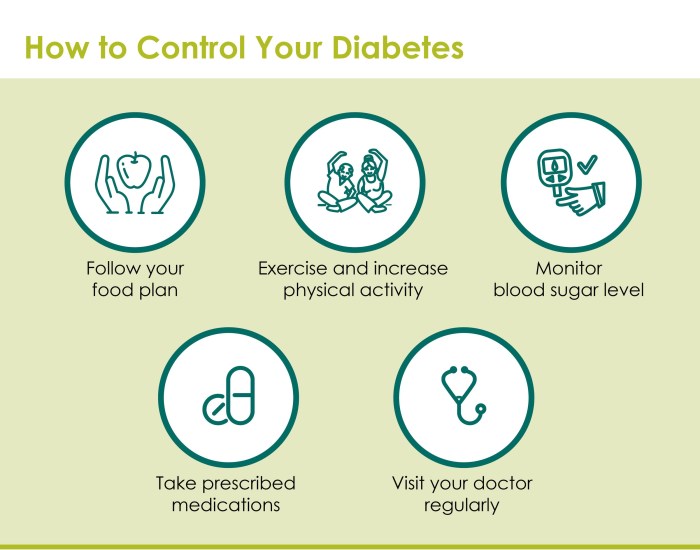
Regularly monitoring blood sugar levels, blood pressure, and cholesterol is essential for managing diabetes effectively. This helps individuals stay aware of their condition and take necessary actions to keep their levels within a healthy range.
Healthy Eating Habits
- Eat a balanced diet rich in fruits, vegetables, whole grains, and lean proteins.
- Avoid sugary drinks, processed foods, and excessive amounts of carbohydrates.
- Monitor portion sizes and practice mindful eating to control blood sugar levels.
Regular Physical Activity
Engaging in regular exercise helps improve insulin sensitivity, lower blood sugar levels, and maintain a healthy weight. Aim for at least 150 minutes of moderate-intensity exercise per week.
Medication Adherence
Take prescribed medications as directed by healthcare providers to manage blood sugar levels effectively. Skipping doses or not following medication instructions can lead to complications.
Regular Check-ups
Attend regular check-ups with healthcare providers to monitor your diabetes management progress, address any concerns, and make necessary adjustments to your treatment plan.
Stress Management
- Practice relaxation techniques such as deep breathing, meditation, or yoga to reduce stress levels.
- Engage in activities you enjoy and prioritize self-care to maintain overall well-being.
Mental Wellness
Maintaining good mental health is crucial for effectively managing diabetes. The emotional well-being of individuals with diabetes can impact their ability to adhere to treatment plans, make healthy lifestyle choices, and manage blood sugar levels effectively. Stress, anxiety, and other mental health issues can complicate diabetes management and lead to poor health outcomes.
Significance of Mental Health in Diabetes Management
- Good mental health can positively influence adherence to medication and treatment plans.
- Reducing stress and anxiety levels can help in stabilizing blood sugar levels.
- Emotional well-being plays a role in maintaining a healthy diet and engaging in regular physical activity.
Tips for Maintaining Good Mental Well-Being
- Practice relaxation techniques such as deep breathing, meditation, or yoga to reduce stress.
- Stay connected with friends and family for emotional support.
- Engage in activities that bring joy and relaxation, such as hobbies or creative pursuits.
- Seek professional help if experiencing persistent feelings of anxiety or depression.
Relationship Between Stress, Anxiety, and Diabetes Management
Stress and anxiety can lead to fluctuations in blood sugar levels as the body releases hormones like cortisol and adrenaline in response to perceived threats. Chronic stress can make it challenging to manage diabetes effectively, as high levels of stress hormones can interfere with insulin sensitivity and glucose regulation. It is essential for individuals with diabetes to prioritize their mental well-being and seek support when needed to maintain overall health and improve diabetes management.
Physical Fitness
Regular exercise plays a crucial role in managing diabetes by helping to control blood sugar levels, improve insulin sensitivity, and maintain a healthy weight. Additionally, physical activity can reduce the risk of cardiovascular complications, improve circulation, and boost overall well-being in individuals with diabetes.
Benefits of Regular Exercise for Individuals with Diabetes
- Enhances insulin sensitivity, allowing the body to use glucose more effectively.
- Helps lower blood sugar levels and reduce the need for medication.
- Aids in weight management and reduces the risk of obesity-related complications.
- Improves cardiovascular health by lowering blood pressure and cholesterol levels.
- Boosts mood and reduces stress, promoting mental wellness.
Suitable Physical Activities for Diabetes Management
- Brisk walking or jogging
- Swimming or water aerobics
- Cycling or stationary biking
- Strength training with weights or resistance bands
- Yoga or Pilates for flexibility and relaxation
Contribution of Physical Fitness to Overall Health in Diabetes Care
Regular physical activity not only helps in managing diabetes but also contributes to overall health by reducing the risk of complications associated with the condition. By promoting cardiovascular health, weight management, and mental well-being, physical fitness plays a vital role in enhancing the quality of life for individuals with diabetes.
Healthy Eating
Eating a balanced diet plays a crucial role in managing diabetes by helping to regulate blood sugar levels and maintain overall health.
Creating a Diabetes-Friendly Meal Plan
A diabetes-friendly meal plan should focus on incorporating a variety of nutrient-dense foods while controlling portion sizes and carbohydrate intake.
- Include plenty of non-starchy vegetables, lean proteins, whole grains, and healthy fats in your meals.
- Aim for a balance of carbohydrates, proteins, and fats in each meal to help manage blood sugar levels.
- Avoid sugary drinks, processed foods, and excessive amounts of high-carb foods to prevent spikes in blood sugar.
Importance of Portion Control and Monitoring Carbohydrate Intake
Portion control is essential for managing diabetes as it helps regulate blood sugar levels and prevent overeating.
- Use measuring cups or a food scale to accurately portion out foods and prevent consuming too much at once.
- Monitor your carbohydrate intake by reading food labels and tracking the amount of carbs you consume each day.
- Spread out your carbohydrate intake throughout the day to avoid large spikes in blood sugar levels.
Holistic Wellness: Preventive Care Tips For Managing Diabetes
When it comes to managing diabetes, holistic wellness plays a crucial role in ensuring overall health and well-being. By taking a comprehensive approach that addresses not only the physical aspects of the condition but also the mental and emotional aspects, individuals with diabetes can experience improved quality of life.
Mind-Body Connection
- Engaging in relaxation techniques such as meditation, yoga, or deep breathing exercises can help reduce stress levels, which in turn can positively impact blood sugar control.
- Practicing mindfulness and staying present in the moment can help individuals manage their diabetes more effectively by promoting awareness of their body’s needs and responses.
- Seeking support from mental health professionals or joining support groups can provide emotional support and coping strategies for dealing with the challenges of diabetes.
Nutrition and Lifestyle
- Adopting a balanced and nutritious diet that includes plenty of fruits, vegetables, whole grains, and lean proteins can help regulate blood sugar levels and support overall health.
- Incorporating regular physical activity into daily routines, such as walking, swimming, or strength training, can improve insulin sensitivity and cardiovascular health.
- Getting an adequate amount of sleep and practicing good sleep hygiene can also benefit individuals with diabetes by promoting hormone regulation and overall well-being.
Complementary Therapies
- Exploring complementary therapies such as acupuncture, massage therapy, or herbal supplements under the guidance of healthcare professionals can provide additional support for managing diabetes symptoms.
- Using aromatherapy or essential oils for relaxation and stress relief can complement traditional treatments and enhance overall wellness.
- Engaging in activities that promote creativity and self-expression, such as art therapy or music therapy, can contribute to mental well-being and emotional balance.
Chronic Diseases
Managing diabetes is crucial not only for controlling blood sugar levels but also for preventing complications that can arise from this chronic condition. The connection between diabetes and other chronic diseases is significant, as diabetes can increase the risk of developing other health issues such as heart disease, stroke, kidney disease, and nerve damage.
Positive Impact of Managing Diabetes on Other Chronic Conditions
- Improved Blood Pressure Control: By managing diabetes effectively, individuals can also help control their blood pressure levels, reducing the risk of heart disease and stroke.
- Prevention of Kidney Disease: Proper management of diabetes can slow down the progression of kidney disease, a common complication associated with diabetes.
- Reduced Risk of Nerve Damage: Maintaining stable blood sugar levels through diabetes management can help prevent nerve damage, reducing the risk of neuropathy.
Comprehensive Approach to Managing Multiple Chronic Diseases
It is essential to take a comprehensive approach when managing multiple chronic diseases, including diabetes. This involves coordinating care between healthcare providers, following a tailored treatment plan, staying physically active, eating a balanced diet, and monitoring key health indicators regularly. By addressing all aspects of health and wellness, individuals can better control their chronic conditions and improve their overall quality of life.
Immunity Boosters
Maintaining a strong immune system is crucial for individuals managing diabetes, as it helps protect the body from infections and other health issues. Immune-boosting strategies can play a significant role in overall health and diabetes management.
Foods and Supplements for Immune Support
- Include foods rich in antioxidants, such as berries, citrus fruits, and leafy greens, to help reduce inflammation and support immune function.
- Consider incorporating probiotics, found in yogurt, kefir, and fermented foods, to promote a healthy gut microbiome and enhance immune response.
- Supplements like vitamin C, vitamin D, and zinc can also help strengthen the immune system and support overall health.
Importance of Immune System in Diabetes Management
Maintaining a strong immune system is especially important for individuals with diabetes, as they are at a higher risk of infections and complications. By incorporating immune-boosting strategies into their daily routine, individuals can better manage their diabetes and improve their overall well-being.
FAQ Resource
How often should I exercise to manage my diabetes effectively?
It is recommended to engage in at least 150 minutes of moderate-intensity exercise per week, spread out over several days.
Are there specific foods that can help boost immunity for individuals with diabetes?
Foods rich in antioxidants, such as berries, nuts, and leafy greens, can help strengthen the immune system.
What are some holistic approaches that can complement medical treatment for diabetes?
Practices like meditation, yoga, acupuncture, and aromatherapy can support diabetes management when combined with traditional medical care.


More Stories
How to detox your body for a stronger immune system
Benefits of probiotics for immune health: Enhancing Your Bodys Defense System
Benefits of elderberry syrup for immunity: Boosting Your Health Naturally