Physical fitness benefits for reducing stress and anxiety are undeniable. From the release of mood-boosting endorphins during exercise to the physiological mechanisms that regulate stress hormones like cortisol, physical activity offers a powerful pathway to mental well-being. This exploration delves into the science behind this connection, highlighting the various types of exercise that effectively manage stress, and showcasing how integrating physical activity into daily life can lead to a more balanced and fulfilling lifestyle.
This journey into the world of physical fitness and mental health reveals a compelling narrative. It’s a story where every step, every breath, and every exertion contributes to a calmer mind, a stronger body, and a more resilient spirit.
Through practical tips, scientific insights, and real-world examples, this article empowers individuals to harness the transformative power of physical fitness for a life less burdened by stress and anxiety.
The Science Behind Physical Fitness and Stress Reduction
The connection between physical fitness and stress reduction is not just a feeling; it’s backed by solid scientific evidence. Exercise impacts our bodies in ways that directly influence our stress response, leading to a calmer and more balanced state.
The Impact of Exercise on Stress Hormones
Regular physical activity plays a crucial role in regulating our stress hormone levels, particularly cortisol. When we experience stress, our bodies release cortisol, a hormone that prepares us for a “fight or flight” response. While this is essential for short-term survival, chronic stress leads to prolonged cortisol elevation, which can have detrimental effects on our physical and mental health.
Exercise, especially aerobic exercise, helps to regulate cortisol levels by promoting its breakdown and reducing its production. This happens through various physiological mechanisms, including:
- Increased sensitivity to insulin:Exercise improves insulin sensitivity, which helps regulate blood sugar levels. This, in turn, reduces the need for cortisol to raise blood sugar, thus lowering cortisol levels.
- Enhanced neurotransmitter function:Exercise promotes the production of neurotransmitters like serotonin and dopamine, which have mood-boosting effects and counteract the negative effects of cortisol.
- Improved cardiovascular health:Exercise strengthens the heart and improves blood circulation, which enhances the delivery of oxygen and nutrients to the body’s tissues, including the brain. This helps to reduce stress and anxiety.
Types of Exercise for Stress Management
Different types of physical activity can be beneficial for managing stress, each offering unique advantages. Exploring these diverse options can help you find the best fit for your needs and preferences.
Cardiovascular Exercise for Stress Relief
Cardiovascular exercise, also known as aerobic exercise, involves activities that elevate your heart rate and improve your cardiovascular health. It’s highly effective in reducing stress hormones like cortisol and adrenaline, promoting relaxation and a sense of well-being.
- Running:Running is a great way to release endorphins, which have mood-boosting effects. It also provides a distraction from daily worries, allowing you to focus on your physical sensations.
- Cycling:Cycling offers a similar stress-relieving experience to running, while providing a lower-impact alternative. It can be enjoyed both indoors and outdoors, offering flexibility and convenience.
- Swimming:Swimming is a great full-body workout that is gentle on the joints. It can be particularly soothing, as the water provides a sense of buoyancy and support.
- Dancing:Dancing is a fun and engaging way to get your heart rate up. It can be a great way to express yourself and release pent-up energy.
Strength Training for Stress Management
Strength training, involving exercises that challenge your muscles, offers a unique set of benefits for stress reduction. It not only improves physical strength and endurance but also boosts self-confidence and reduces feelings of anxiety.
- Weightlifting:Lifting weights can help to release endorphins and reduce stress hormones. It can also be a great way to build muscle and improve your overall fitness.
- Bodyweight exercises:Bodyweight exercises like push-ups, squats, and lunges can be done anywhere and require no equipment. They are an effective way to build strength and endurance.
- Resistance bands:Resistance bands are a versatile and portable option for strength training. They can be used for a variety of exercises, targeting different muscle groups.
Yoga for Stress Management
Yoga combines physical postures, breathing techniques, and meditation, making it a holistic approach to stress management. It promotes relaxation, reduces muscle tension, and improves focus and mindfulness.
- Hatha yoga:Hatha yoga focuses on physical postures and breathing techniques, helping to improve flexibility, strength, and balance. It also promotes relaxation and stress reduction.
- Vinyasa yoga:Vinyasa yoga involves flowing movements synchronized with breath, creating a dynamic and invigorating practice. It can be a great way to release pent-up energy and improve cardiovascular health.
- Restorative yoga:Restorative yoga emphasizes deep relaxation and passive stretching, using props to support the body. It can be particularly helpful for reducing stress and promoting sleep.
Incorporating Exercise into Your Daily Routine
Finding ways to integrate exercise into your daily routine can be key to managing stress effectively.
- Set realistic goals:Start with small, achievable goals and gradually increase the intensity and duration of your workouts.
- Find activities you enjoy:Choose exercises that you find fun and motivating, making it more likely that you’ll stick with them.
- Schedule workouts:Treat your workouts like important appointments and schedule them into your calendar.
- Be flexible:Don’t be afraid to adjust your workout routine if you need to. Life happens, and it’s important to be able to adapt.
Sample Exercise Plan for Stress Reduction, Physical fitness benefits for reducing stress and anxiety
Here’s a sample exercise plan that incorporates different types of activities for stress reduction:
- Monday:30 minutes of brisk walking or jogging
- Tuesday:30 minutes of yoga or Pilates
- Wednesday:30 minutes of strength training (using weights or bodyweight exercises)
- Thursday:30 minutes of swimming or cycling
- Friday:Rest day
- Saturday:60 minutes of hiking or a team sport
- Sunday:30 minutes of gentle stretching or meditation
Remember, it’s important to listen to your body and adjust the intensity and duration of your workouts as needed.
The Impact of Physical Fitness on Mental Health
Physical fitness goes beyond just improving your physical well-being; it profoundly impacts your mental health in numerous ways. Engaging in regular physical activity has a remarkable ability to enhance cognitive function, promote better sleep, and boost your overall mental well-being.
The Connection Between Physical Fitness and Cognitive Function
Regular physical activity can significantly enhance cognitive function, particularly in areas like memory, attention, and focus. Research suggests that exercise stimulates the growth of new brain cells and improves blood flow to the brain, leading to improved cognitive performance.
- Enhanced Memory:Exercise has been shown to improve both short-term and long-term memory. Studies have found that individuals who engage in regular physical activity perform better on memory tasks compared to their sedentary counterparts.
- Improved Attention and Focus:Physical activity has been linked to increased attention span and improved focus. Exercise helps to regulate neurotransmitters like dopamine and norepinephrine, which are essential for maintaining attention and focus.
- Enhanced Cognitive Flexibility:Exercise has been shown to improve cognitive flexibility, the ability to switch between tasks and adapt to new situations. This is particularly important for individuals who need to multitask or manage complex information.
The Role of Physical Activity in Promoting Better Sleep Quality
Physical activity plays a crucial role in promoting better sleep quality, which is essential for managing stress and anxiety. Exercise helps regulate your body’s natural sleep-wake cycle, known as the circadian rhythm, and promotes relaxation, leading to improved sleep quality.
- Reduced Stress and Anxiety:Physical activity releases endorphins, which have mood-boosting effects and help reduce stress and anxiety. This can lead to a more relaxed state of mind and improved sleep quality.
- Improved Sleep Duration:Regular exercise has been shown to increase sleep duration. Studies have found that individuals who engage in regular physical activity tend to sleep longer and experience fewer sleep disturbances.
- Enhanced Sleep Quality:Physical activity promotes deeper and more restorative sleep. This is because exercise helps regulate your body’s temperature, which can contribute to a more comfortable sleep environment.
Mental Health Benefits of Exercise
Engaging in regular physical activity offers numerous mental health benefits, including increased self-esteem, reduced feelings of isolation, and improved coping mechanisms.
- Increased Self-Esteem:Exercise can boost self-esteem by providing a sense of accomplishment and helping individuals feel more confident in their physical abilities.
- Reduced Feelings of Isolation:Physical activity can provide opportunities for social interaction, which can help reduce feelings of isolation and loneliness. Joining a gym or participating in group fitness classes can create a sense of community and belonging.
- Improved Coping Mechanisms:Exercise can help individuals develop healthier coping mechanisms for stress and anxiety. By providing an outlet for releasing pent-up energy and emotions, physical activity can help manage stress levels and promote a sense of calm.
Holistic Wellness and Physical Fitness
Physical fitness plays a crucial role in achieving holistic wellness, which encompasses the interconnected aspects of physical, mental, and emotional well-being. It’s not just about achieving a toned physique; it’s about creating a harmonious balance within yourself.
The Integration of Physical Fitness into Holistic Wellness
Physical fitness integrates seamlessly into a holistic approach to wellness by influencing all three dimensions of well-being:
- Physical Well-being:Regular exercise strengthens muscles, improves cardiovascular health, boosts metabolism, and enhances sleep quality. This translates into increased energy levels, reduced risk of chronic diseases, and a more robust physical foundation.
- Mental Well-being:Exercise releases endorphins, natural mood-boosters that combat stress, anxiety, and depression. It also improves cognitive function, enhances focus, and promotes mental clarity.
- Emotional Well-being:Physical activity provides an outlet for releasing pent-up emotions, promoting self-expression, and fostering a sense of accomplishment. It helps individuals build resilience, cope with challenges, and cultivate a positive self-image.
Examples of Integrating Physical Activity into Daily Life
Incorporating physical activity into daily life can be as simple as:
- Taking the stairs instead of the elevator.
- Walking or cycling to work or errands instead of driving.
- Engaging in active hobbies like dancing, gardening, or hiking.
- Setting aside time for regular exercise sessions, even if it’s just for 30 minutes a day.
Developing Self-Awareness and Body Acceptance
Physical fitness can empower individuals to develop a greater sense of self-awareness and body acceptance. By engaging in regular exercise, individuals become more attuned to their bodies’ capabilities and limitations. This heightened awareness fosters a deeper appreciation for their physical form and a more positive self-image.
- Body Image:Exercise can help individuals develop a healthier body image by promoting a sense of accomplishment and self-efficacy. It encourages a focus on what the body can do rather than how it looks, leading to greater self-acceptance.
- Mind-Body Connection:Through physical activity, individuals become more attuned to the connection between their physical and mental states. They learn to recognize the physical sensations associated with different emotions and develop strategies for managing stress and anxiety.
- Resilience:Regular exercise builds resilience by challenging individuals physically and mentally. It helps them develop coping mechanisms for dealing with stress and adversity, leading to a greater sense of emotional strength.
Integrating Physical Fitness into Daily Life
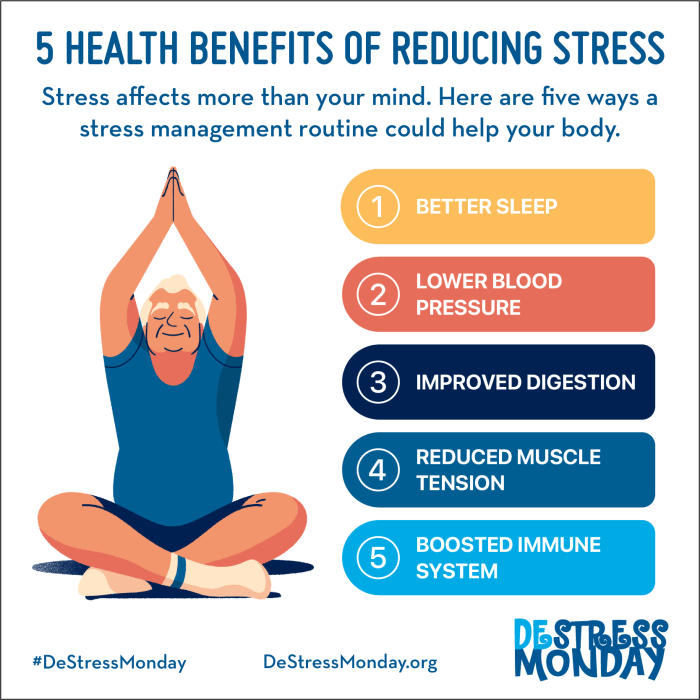
Making exercise a regular part of your life doesn’t require a drastic overhaul. Small, consistent changes can lead to significant improvements in your well-being. It’s about finding ways to incorporate movement into your everyday routine, making it a natural part of your day, rather than a chore.
Making Exercise a Habit
Integrating physical activity into your daily routine can be as simple as taking the stairs instead of the elevator, walking during your lunch break, or parking further away from your destination. These seemingly small changes can add up to significant amounts of activity over time.
- Take the Stairs:Instead of taking the elevator, choose the stairs whenever possible. This is a quick and easy way to get some cardio in your day.
- Walk During Lunch Breaks:Instead of sitting at your desk, take a brisk walk during your lunch break. This can help you clear your head, boost your energy levels, and improve your digestion.
- Park Further Away:Park further away from your destination and walk the extra distance. This is a great way to add some extra steps to your day.
- Join a Fitness Class:Consider joining a fitness class that you enjoy. This can help you stay motivated and accountable, and it’s a great way to meet new people.
Setting Realistic Fitness Goals
Start by setting small, achievable goals that you can gradually build upon. Instead of aiming for a drastic change, focus on making small, sustainable improvements.
- Assess Your Current Activity Level:Before setting any goals, it’s important to assess your current activity level. This will help you set realistic expectations.
- Start Small:Begin with a small amount of activity and gradually increase the intensity and duration over time. For example, if you’re currently inactive, start with a 10-minute walk each day and gradually increase the duration and intensity.
- Set Specific Goals:Make your goals specific, measurable, achievable, relevant, and time-bound (SMART). For example, instead of saying “I want to get more exercise,” set a goal like “I will walk for 30 minutes, three times a week.”
- Track Your Progress:Keep track of your progress to stay motivated and see how far you’ve come. You can use a fitness tracker, a journal, or a simple calendar to track your workouts.
The Long-Term Benefits of Physical Fitness: Physical Fitness Benefits For Reducing Stress And Anxiety
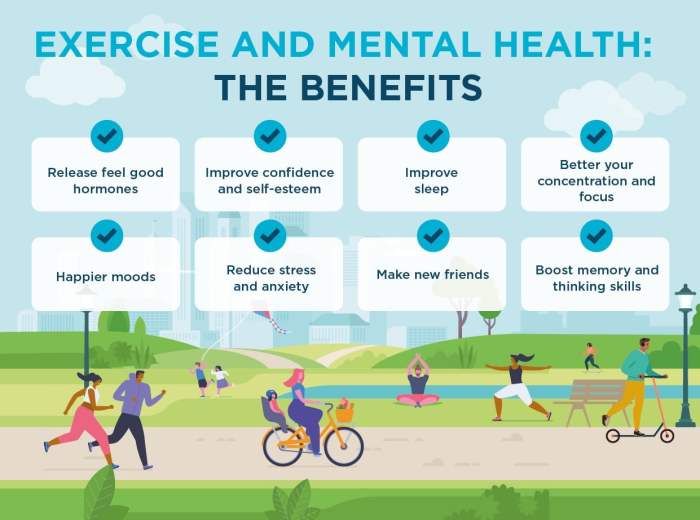
The positive impact of regular physical activity extends far beyond the immediate feeling of well-being. Engaging in exercise consistently brings about a cascade of long-term benefits, positively influencing both mental and physical health, ultimately contributing to a higher quality of life.
Improved Mental Health and Reduced Risk of Mental Disorders
Regular exercise has a profound impact on mental health, acting as a natural antidepressant and anxiety reducer. Engaging in physical activity releases endorphins, which have mood-boosting effects, promoting feelings of happiness and well-being.
- Studies have consistently shown that regular exercise can reduce the risk of developing anxiety disorders and depression. A study published in the journal “JAMA Psychiatry” found that individuals who engaged in at least 150 minutes of moderate-intensity exercise per week had a 20% lower risk of developing anxiety disorders compared to those who were inactive.
- Moreover, exercise can help manage symptoms of existing mental health conditions. For example, individuals with depression often experience a reduction in symptoms after engaging in regular physical activity. Exercise can also improve sleep quality, which is often disrupted in people with anxiety and depression.
Increased Longevity and Improved Quality of Life
Beyond mental health benefits, regular exercise contributes significantly to overall longevity and a better quality of life. Physical activity strengthens the cardiovascular system, reducing the risk of heart disease, stroke, and other chronic conditions.
- A study published in the “American Journal of Preventive Medicine” found that individuals who engaged in at least 150 minutes of moderate-intensity exercise per week had a 20% lower risk of premature death compared to those who were inactive.
- Exercise also helps maintain a healthy weight, reducing the risk of obesity-related conditions such as type 2 diabetes, certain types of cancer, and osteoarthritis. By improving muscle mass and bone density, exercise can help prevent age-related decline in physical function and mobility.
Enhanced Resilience and Coping Mechanisms
Engaging in regular physical activity builds resilience, equipping individuals with the ability to cope with life’s challenges more effectively. Exercise helps manage stress levels, improve sleep quality, and boost self-esteem, all of which contribute to increased resilience.
- When faced with stressful situations, individuals who are physically fit tend to experience a more moderate physiological stress response. This is because exercise helps regulate the body’s stress hormone levels, reducing the impact of stressors on the body and mind.
- Exercise can also help individuals develop a sense of control and agency over their lives, which is crucial for building resilience. By setting fitness goals and achieving them, individuals gain confidence in their ability to overcome challenges and achieve their objectives.
Closing Summary
The link between physical fitness and mental well-being is undeniable. By incorporating physical activity into our lives, we tap into a natural stress-buster, a mood enhancer, and a gateway to a more balanced and fulfilling existence. Whether it’s a brisk walk in nature, a challenging workout, or a calming yoga session, embracing physical fitness empowers us to manage stress, reduce anxiety, and cultivate a greater sense of well-being.
It’s a journey of self-discovery, resilience, and a healthier, happier you.
FAQ Corner
Can I get the same benefits from any type of exercise?
While all types of exercise are beneficial, some are better suited for stress reduction. High-intensity workouts can be great for releasing endorphins, while low-impact activities like yoga or walking can be more calming.
How much exercise do I need to see results?
Aim for at least 30 minutes of moderate-intensity exercise most days of the week. Even short bursts of activity throughout the day can make a difference.
What if I’m not a “fitness person”?
Start small! There are many ways to incorporate physical activity into your routine without feeling overwhelmed. Try walking during your lunch break, taking the stairs, or joining a fun fitness class.


More Stories
Regular Exercise Tips for a Healthy Lifestyle
How to stay motivated with regular exercise: Tips for a Healthy Lifestyle
Tips for maintaining regular exercise habits: How to Stay Consistent and Healthy