Mental Wellness
Self-care practices play a crucial role in maintaining good mental wellness. Prioritizing self-care can have a positive impact on mental health by reducing stress, improving mood, and enhancing overall well-being. Here are some examples of self-care activities that can help improve mental well-being:
Mindfulness Meditation
- Engaging in mindfulness meditation can help calm the mind, reduce anxiety, and increase focus and clarity.
- Practicing mindfulness regularly can lead to improved emotional regulation and a greater sense of inner peace.
Physical Exercise
- Regular physical exercise, such as yoga, running, or dancing, can boost mood by releasing endorphins, also known as “feel-good” hormones.
- Exercise can also reduce symptoms of depression and anxiety while improving overall cognitive function.
Creative Expression
- Engaging in creative activities like painting, writing, or playing music can act as a form of self-expression and stress relief.
- Expressing oneself creatively can help process emotions, increase self-awareness, and promote a sense of accomplishment.
Physical Fitness
Self-care plays a crucial role in maintaining physical fitness, as it involves taking intentional actions to care for our bodies and overall health. By prioritizing self-care practices that support physical well-being, individuals can improve their strength, endurance, flexibility, and overall health.
Examples of Self-care Practices for Physical Well-being
- Eating a balanced and nutritious diet to fuel the body with essential nutrients.
- Getting an adequate amount of sleep to allow for proper rest and recovery.
- Engaging in regular physical activity such as cardio, strength training, or yoga.
- Practicing stress-reducing activities like meditation or deep breathing exercises.
Importance of Incorporating Exercise into Self-care Routine, Importance of self-care in holistic wellness
Regular exercise is a key component of self-care when it comes to physical fitness. Exercise not only helps to improve cardiovascular health, build muscle strength, and enhance flexibility, but it also has numerous mental health benefits. Incorporating exercise into a self-care routine can boost mood, reduce stress, increase energy levels, and improve overall well-being. Whether it’s going for a jog, attending a fitness class, or practicing yoga at home, finding an exercise routine that you enjoy can make a significant difference in your physical fitness and overall health.
Healthy Eating
The significance of healthy eating in holistic wellness and self-care cannot be overstated. Nutrition plays a crucial role in nourishing our bodies, supporting mental clarity, boosting energy levels, and improving overall well-being. By making mindful food choices, we can positively impact our physical, mental, and emotional health.
Tips for Mindful Eating
- Avoid distractions while eating, such as watching TV or scrolling through your phone. Focus on the sensory experience of eating.
- Listen to your body’s hunger and fullness cues to eat when you are truly hungry and stop when you are satisfied.
- Choose whole, nutrient-dense foods like fruits, vegetables, whole grains, lean proteins, and healthy fats to fuel your body.
- Practice portion control by using smaller plates, bowls, and utensils to avoid overeating.
- Stay hydrated by drinking plenty of water throughout the day to support digestion and overall health.
Impact of Nutrition on Well-being
Nutrition directly influences our physical health, mental well-being, and emotional balance. Consuming a balanced diet rich in vitamins, minerals, and antioxidants can strengthen our immune system, improve cognitive function, and reduce the risk of chronic diseases. By prioritizing healthy eating habits, we can enhance our self-care practices and promote holistic wellness in our daily lives.
Preventive Care
Self-care plays a crucial role in preventive care by helping individuals take proactive measures to maintain their overall health and well-being. By incorporating self-care practices into their daily routines, individuals can reduce the risk of developing various health issues and improve their quality of life.
Regular Health Check-ups
Regular health check-ups are an essential component of a self-care routine as they enable individuals to monitor their health status, detect any potential issues early on, and take necessary actions to prevent them from escalating. By scheduling routine check-ups with healthcare providers, individuals can stay informed about their health and make informed decisions to maintain their well-being.
Preventive Self-Care Measures
- Engaging in regular physical activity: Exercise not only improves physical fitness but also boosts mental well-being and reduces the risk of chronic diseases.
- Practicing mindfulness and stress management techniques: Managing stress through techniques like meditation, deep breathing, or yoga can help prevent the negative impact of stress on health.
- Eating a balanced diet: Consuming a nutritious diet rich in fruits, vegetables, whole grains, and lean proteins can support overall health and reduce the risk of various health conditions.
- Getting an adequate amount of sleep: Prioritizing quality sleep is essential for overall well-being and can help prevent a range of health issues, including heart disease and obesity.
- Staying hydrated: Drinking enough water throughout the day is crucial for maintaining proper bodily functions and preventing dehydration-related health issues.
Balanced Diet
Eating a balanced diet plays a crucial role in self-care and holistic wellness by providing the body with essential nutrients needed for optimal functioning. A well-rounded diet not only supports physical health but also contributes to mental well-being, making it a key component of overall well-being.
Creating a Well-Rounded Diet
To create a well-rounded diet that supports self-care goals, it is important to include a variety of food groups such as fruits, vegetables, whole grains, lean proteins, and healthy fats. Aim for a colorful plate filled with different types of foods to ensure you are getting a wide range of nutrients. Planning meals in advance and incorporating a mix of foods from all food groups can help you achieve a balanced diet.
Benefits of Maintaining a Balanced Diet
Maintaining a balanced diet offers numerous benefits for overall well-being. Some of the benefits include:
- Improved energy levels: A balanced diet provides the necessary fuel for the body, leading to increased energy levels and improved productivity.
- Enhanced mood and mental clarity: Nutrient-rich foods can positively impact mood and cognitive function, promoting mental wellness.
- Weight management: A balanced diet can help prevent weight gain and support weight loss goals, contributing to physical fitness.
- Reduced risk of chronic diseases: Eating a variety of nutrient-dense foods can lower the risk of developing chronic conditions such as heart disease, diabetes, and certain cancers.
- Stronger immune system: Nutrients like vitamins and minerals obtained from a balanced diet support a healthy immune system, helping the body fight off illnesses.
Regular Exercise
Regular exercise plays a crucial role in maintaining holistic wellness as part of a self-care routine. Physical activity not only benefits the body but also has a positive impact on mental health and overall well-being.
Types of Exercises for Holistic Wellness
- Cardiovascular Exercises: Activities like running, cycling, or swimming help improve heart health, boost metabolism, and increase endurance.
- Strength Training: Weightlifting or bodyweight exercises build muscle strength, improve bone density, and enhance overall physical performance.
- Flexibility and Balance Exercises: Yoga, Pilates, or tai chi help increase flexibility, balance, and coordination, reducing the risk of injuries and promoting relaxation.
Link Between Physical Activity and Self-Care
Regular exercise is a form of self-care that allows individuals to take control of their physical and mental health. Engaging in physical activity releases endorphins, reduces stress, improves sleep quality, and boosts self-esteem. By incorporating exercise into a daily routine, individuals can better manage stress, maintain a healthy weight, and prevent chronic illnesses.
Mental Health
Importance of self-care in holistic wellness – Self-care plays a crucial role in maintaining good mental health. When individuals prioritize self-care practices, they are better equipped to manage stress, anxiety, and other mental health challenges effectively.
Benefits of Self-care for Mental Health
Self-care strategies can significantly improve mental health outcomes by promoting relaxation, reducing negative emotions, and enhancing overall well-being. By taking time to care for oneself, individuals can boost their resilience and cope better with the demands of daily life.
- Engaging in mindfulness meditation and deep breathing exercises can help calm the mind and reduce stress levels.
- Setting boundaries and saying no when necessary can prevent burnout and protect mental health.
- Practicing gratitude and focusing on positive aspects of life can improve mood and outlook.
- Connecting with loved ones and seeking support when needed can foster a sense of belonging and emotional well-being.
Holistic Wellness: Importance Of Self-care In Holistic Wellness
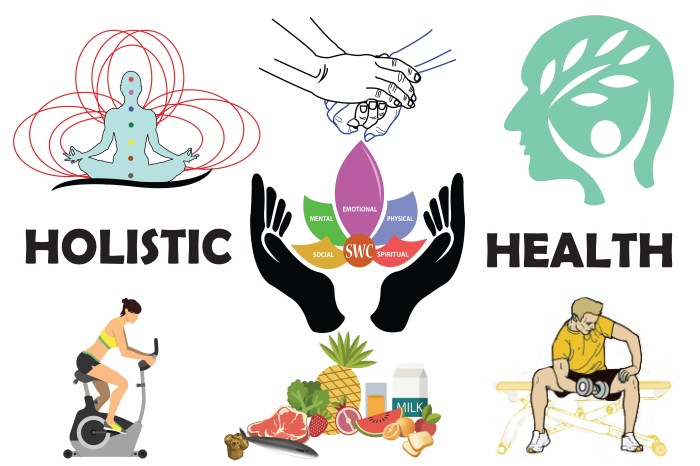
Holistic wellness refers to the overall well-being of an individual, taking into consideration the interconnectedness of the mind, body, and spirit. It emphasizes the importance of addressing all aspects of a person’s life to achieve optimal health and happiness.
Self-care plays a crucial role in promoting holistic wellness as it involves practices that nurture and care for the mind, body, and spirit. By incorporating self-care habits into daily routines, individuals can enhance their overall well-being and achieve a sense of balance and harmony.
Tips for Achieving Balance Through Self-Care
- Practice mindfulness and meditation to calm the mind and reduce stress levels.
- Engage in regular physical activity to improve physical health and boost mood.
- Eat a balanced diet rich in nutrients to fuel the body and support overall health.
- Establish healthy boundaries in relationships to protect your emotional well-being.
- Make time for activities that bring you joy and fulfillment to nourish the spirit.
Chronic Diseases
Self-care plays a crucial role in managing chronic diseases by empowering individuals to take control of their health and well-being. By incorporating self-care practices into their daily routines, individuals with chronic conditions can better manage their symptoms, improve their quality of life, and reduce the risk of complications associated with their illnesses.
Impact of Self-care on Preventing Complications
Self-care can significantly impact preventing complications related to chronic illnesses. By following a personalized self-care routine, individuals can better manage their condition, reduce the risk of exacerbations, and prevent the progression of the disease. Consistent self-care practices such as regular monitoring, medication adherence, stress management, and lifestyle modifications can help individuals with chronic diseases lead healthier and more fulfilling lives.
Examples of Self-care Routines
- Regular monitoring of vital signs and symptoms to track changes in health status.
- Adhering to prescribed medications and treatment plans as directed by healthcare providers.
- Engaging in physical activity and exercise tailored to individual abilities and limitations.
- Following a balanced diet that is low in processed foods and high in nutrient-dense options.
- Practicing stress-reducing techniques such as meditation, deep breathing, or yoga to promote mental well-being.
Immunity Boosters
Having a strong immune system is crucial for overall holistic wellness and self-care. A healthy immune system helps the body fight off infections and diseases, keeping you feeling your best both physically and mentally. Incorporating immunity boosters into your self-care routine can play a significant role in strengthening your body’s defenses.
Natural Immunity Boosters
- Eat a diet rich in fruits, vegetables, and whole grains to ensure you are getting essential vitamins and minerals that support immune function.
- Include foods high in antioxidants such as berries, nuts, and leafy greens to help reduce inflammation and boost overall immunity.
- Get an adequate amount of sleep each night as lack of sleep can weaken the immune system and make you more susceptible to illnesses.
- Stay hydrated by drinking plenty of water throughout the day to help flush out toxins and support immune function.
- Manage stress through activities like yoga, meditation, or deep breathing exercises as chronic stress can suppress the immune system.
General Inquiries
How does self-care impact mental wellness?
Self-care practices can help reduce stress, improve mood, and enhance overall mental well-being by prioritizing activities that promote relaxation and mindfulness.
Why is a balanced diet important for holistic wellness?
A balanced diet provides essential nutrients for physical health and mental well-being, supporting overall wellness and self-care goals.
How can self-care help in managing chronic diseases?
Self-care routines tailored for individuals with chronic conditions can assist in symptom management, improving quality of life, and preventing complications associated with the disease.


More Stories
Holistic Wellness for Mental Clarity & Focus
Best Holistic Wellness Therapies for Natural Healing