Mental Wellness
Maintaining mental wellness is crucial for athletes as it directly impacts their performance on the field. A healthy mindset can improve focus, motivation, and overall well-being, leading to better results in training and competitions.
Improving Mental Resilience
- Set realistic goals: Establishing achievable targets can boost confidence and resilience when faced with challenges.
- Develop a positive self-talk routine: Encourage athletes to replace negative thoughts with affirmations to enhance mental strength.
- Practice visualization techniques: Guided imagery can help athletes mentally prepare for competitions and improve performance under pressure.
Role of Mindfulness Practices
- Regular meditation: Incorporating meditation into daily routines can reduce stress, improve focus, and enhance overall mental well-being.
- Deep breathing exercises: Teaching athletes to regulate their breathing can help manage anxiety and promote relaxation during high-pressure situations.
- Body scans: Encouraging athletes to connect with their bodies through body scan exercises can increase self-awareness and mindfulness.
Impact of Stress on Athletic Performance
Stress can have detrimental effects on both athletic performance and mental well-being. High levels of stress can lead to decreased focus, motivation, and physical endurance, impacting an athlete’s ability to perform at their best. Implementing strategies to manage stress, such as mindfulness practices and mental resilience training, can help athletes cope with pressure and improve their overall performance.
Physical Fitness
Maintaining physical fitness is essential for athletes as it directly impacts their athletic performance. Athletes need to have a strong and healthy body to excel in their respective sports. Let’s delve into the relationship between physical fitness and athletic performance, suitable routines, benefits of cross-training, and the role of flexibility and mobility.
Physical Fitness Routines for Athletes
- Strength Training: Incorporating weightlifting or bodyweight exercises to build muscle strength and power.
- Cardiovascular Exercises: Running, cycling, or swimming to improve endurance and stamina.
- Agility Drills: Including quick movements, jumps, and sprints to enhance speed and agility.
Cross-Training Benefits
Cross-training involves engaging in different types of exercises to target various muscle groups and prevent overuse injuries. It helps improve overall physical fitness by enhancing cardiovascular health, strength, flexibility, and agility.
Flexibility and Mobility in Athletic Performance
- Flexibility: Stretching exercises like yoga or Pilates can increase range of motion, prevent injuries, and improve performance.
- Mobility: Mobility exercises such as dynamic stretches and mobility drills help athletes move more efficiently and reduce the risk of muscle imbalances.
Healthy Eating
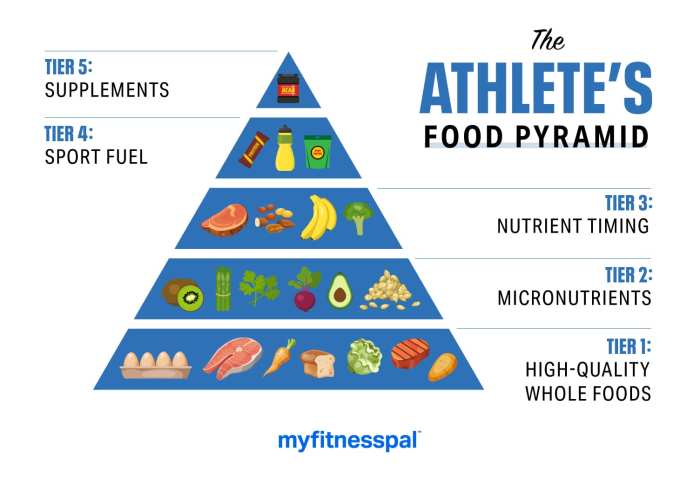
In order to fuel their bodies for optimal performance, athletes must pay close attention to their nutrition. A healthy eating plan is essential for athletes to maintain energy levels, support muscle recovery, and enhance overall performance.
The Fundamentals of a Healthy Eating Plan for Athletes
Athletes should focus on consuming a balanced diet that includes a variety of nutrient-dense foods such as lean proteins, whole grains, fruits, vegetables, and healthy fats. It’s important to eat regular meals and snacks throughout the day to provide a steady source of energy.
Tips for Meal Prepping and Planning Nutritious Meals for Athletes
– Plan your meals in advance to ensure you have access to nutritious options.
– Batch cook and prepare meals in advance to save time during busy training days.
– Include a mix of carbohydrates, proteins, and fats in each meal to support energy levels and muscle recovery.
The Importance of Proper Hydration in a Healthy Eating Plan
Proper hydration is crucial for athletes to maintain performance and prevent dehydration. Athletes should drink water throughout the day and pay attention to their fluid intake before, during, and after workouts.
Examples of Nutrient-Dense Foods for Athletes
- Quinoa – a complete protein source that also provides fiber and essential nutrients.
- Salmon – rich in omega-3 fatty acids that support heart health and reduce inflammation.
- Sweet potatoes – a great source of carbohydrates for sustained energy and important vitamins and minerals.
- Leafy greens – packed with antioxidants, vitamins, and minerals that support overall health and recovery.
Preventive Care
How to create a healthy eating plan for athletes – Preventive care plays a crucial role in helping athletes avoid injuries and maintain optimal performance levels. By implementing strategies to prevent injuries before they occur, athletes can stay healthy and on top of their game.
Role of Rest and Recovery
Rest and recovery are essential components of preventive care for athletes. Adequate rest allows the body to repair and rebuild muscle tissue, reducing the risk of overuse injuries. Incorporating rest days into training schedules and ensuring quality sleep can help athletes recover effectively.
Monitoring and Managing Fatigue
- Use wearable technology to track metrics like heart rate variability and sleep patterns to monitor fatigue levels.
- Implement periodization in training programs to balance intensity and volume, preventing excessive fatigue.
- Encourage athletes to listen to their bodies and adjust training intensity or duration based on how they feel.
Incorporating Preventive Care Routines
Consistency is key when it comes to preventive care. Establishing daily routines that include stretching, foam rolling, and proper warm-ups can help reduce the risk of injuries.
- Schedule regular check-ups with healthcare professionals to address any underlying issues before they become serious problems.
- Work with a coach or trainer to develop a well-rounded training plan that includes rest days and cross-training activities.
- Stay hydrated, eat a balanced diet, and prioritize mental wellness to support overall health and injury prevention.
Balanced Diet
A balanced diet for athletes is crucial for optimal performance, recovery, and overall health. It involves consuming the right amount of nutrients to support physical activities and maintain well-being.
Importance of Macronutrients and Micronutrients
A balanced diet for athletes should include an adequate intake of macronutrients such as carbohydrates, proteins, and fats, which provide energy, support muscle function, and aid in recovery. Micronutrients like vitamins and minerals are also essential for various bodily functions and overall health.
- Carbohydrates: Focus on whole grains, fruits, and vegetables to fuel workouts and replenish glycogen stores.
- Proteins: Include lean sources like chicken, fish, beans, and nuts to support muscle repair and growth.
- Fats: Opt for healthy fats from sources like avocados, nuts, seeds, and olive oil for energy and hormone production.
- Vitamins and Minerals: Ensure a variety of colorful fruits and vegetables to get a range of essential nutrients for optimal performance and recovery.
Strategies for Maintaining a Balanced Diet
Athletes often face challenges in maintaining a balanced diet while traveling or during busy training schedules. To overcome these obstacles, they can:
- Plan Ahead: Pack nutritious snacks and meals that are easy to carry and consume on the go.
- Stay Hydrated: Drink plenty of water and electrolyte-rich beverages to support hydration and performance.
- Choose Wisely: Opt for nutrient-dense foods like salads, lean proteins, and whole grains when dining out.
- Listen to Your Body: Pay attention to hunger cues and fuel your body with the right nutrients at the right times.
Examples of Meal Plans
Here are some examples of meal plans that reflect a balanced diet for athletes:
| Meal | Food Choices | Nutritional Benefits |
|---|---|---|
| Breakfast | Oatmeal with berries and nuts | Carbohydrates for energy, antioxidants, and healthy fats for satiety |
| Lunch | Grilled chicken salad with quinoa | Protein for muscle repair, fiber, and complex carbs for sustained energy |
| Snack | Greek yogurt with honey and almonds | Probiotics, protein, and healthy fats for gut health and satiety |
| Dinner | Salmon with roasted vegetables and sweet potato | Omega-3 fatty acids, vitamins, and minerals for recovery and overall health |
Regular Exercise
Regular exercise is crucial for athletes as it offers a wide range of benefits that contribute to their overall performance and well-being. Consistent physical activity not only improves cardiovascular health, strength, and endurance but also enhances flexibility, coordination, and mental focus.
Types of Exercises for Athletic Performance
- Cardiovascular exercises such as running, cycling, and swimming help improve endurance and stamina.
- Strength training with weights or bodyweight exercises builds muscle mass and enhances power.
- Flexibility exercises like yoga or stretching routines improve range of motion and reduce the risk of injuries.
Importance of Periodization
Periodization, the systematic planning of training phases, is essential for athletes to prevent burnout, optimize performance, and reduce the risk of overtraining injuries. By incorporating periods of high intensity, moderate intensity, and recovery, athletes can progress steadily and peak at the right time for competitions.
Tips for Staying Motivated
- Set specific, achievable goals to track progress and stay motivated.
- Vary your workouts to prevent boredom and plateauing in performance.
- Find a training partner or join group classes for social support and accountability.
- Reward yourself for reaching milestones to reinforce positive behavior and consistency.
Mental Health
Mental health is a crucial aspect of overall well-being for athletes. It encompasses both mental wellness and mental health, each playing a vital role in an athlete’s performance and quality of life.
Differentiation between Mental Wellness and Mental Health
Mental wellness refers to a state of emotional well-being, where an individual can effectively cope with stress, work productively, and contribute to their community. On the other hand, mental health focuses on the diagnosis, treatment, and prevention of mental disorders that may impact an individual’s cognitive, emotional, and behavioral functioning.
Common Mental Health Challenges for Athletes
- Performance Anxiety: Athletes often face pressure to perform at their best, leading to stress and anxiety.
- Depression: Factors like injuries, competition outcomes, and career transitions can trigger feelings of sadness and hopelessness.
- Eating Disorders: Athletes may develop unhealthy relationships with food to meet weight or body image standards.
Resources and Support Systems for Athletes, How to create a healthy eating plan for athletes
- Team Psychologists: Many sports organizations provide access to mental health professionals for athletes.
- Hotlines and Helplines: Athletes can reach out to confidential support services for immediate assistance.
- Online Platforms: Websites and apps offer mental health resources, self-help tools, and virtual counseling sessions.
Strategies for Promoting Positive Mental Health Practices
- Encourage Open Communication: Create a supportive environment where athletes feel comfortable discussing their mental health concerns.
- Implement Stress Management Techniques: Teach athletes relaxation exercises, mindfulness, and breathing techniques to cope with stress.
- Establish Work-Life Balance: Help athletes maintain a balance between training, competition, personal time, and rest.
Holistic Wellness
Holistic wellness in the context of athlete well-being encompasses the interconnectedness of mental, physical, and emotional wellness. It focuses on treating the athlete as a whole person, considering all aspects of their well-being to optimize performance and overall health.
Interconnectedness of Mental, Physical, and Emotional Wellness
- Mental Wellness: Practices such as mindfulness meditation, visualization techniques, and positive self-talk can help athletes manage stress, improve focus, and enhance mental resilience.
- Physical Wellness: Regular exercise, adequate rest, proper nutrition, and hydration are essential for maintaining physical health and supporting optimal athletic performance.
- Emotional Wellness: Building strong support networks, practicing self-care, and engaging in activities that bring joy and fulfillment can contribute to emotional well-being and resilience in the face of challenges.
Holistic Wellness Practices for Athletes
- Yoga and Pilates: These practices help improve flexibility, strength, balance, and mental focus, promoting overall well-being.
- Breathing Exercises: Deep breathing techniques can help athletes manage stress, improve oxygen flow, and enhance relaxation.
- Nature Walks: Spending time in nature can reduce stress, boost mood, and improve overall mental health.
Holistic Wellness Routines for Athletes
- Start the day with a nutritious breakfast to fuel the body and mind.
- Incorporate mindfulness practices such as meditation or deep breathing exercises into daily routines.
- Stay hydrated throughout the day to support physical and mental functions.
- Engage in regular physical activity to strengthen the body and release endorphins.
- Practice gratitude by reflecting on positive experiences and accomplishments.
Chronic Diseases
Chronic diseases pose a significant risk to athletes, impacting their performance and overall well-being. These conditions can range from heart disease and diabetes to autoimmune disorders and respiratory illnesses. Athletes are not immune to chronic diseases, and the rigorous demands of their training and competitions can sometimes exacerbate these conditions.
Risks of Chronic Diseases
- Increased inflammation: Intense physical activity can lead to chronic inflammation, which is a risk factor for various diseases.
- Overuse injuries: Athletes are prone to overuse injuries, which can worsen chronic conditions such as arthritis.
- Immune system suppression: Intense training can weaken the immune system, making athletes more susceptible to infections and other health issues.
Preventive Measures and Lifestyle Changes
- Regular health screenings: Athletes should undergo regular check-ups to monitor their health and detect any early signs of chronic diseases.
- Balanced diet: Eating a nutritious diet rich in fruits, vegetables, whole grains, and lean proteins can help prevent chronic diseases.
- Adequate rest and recovery: Proper rest is essential for the body to recover and prevent the onset of chronic conditions.
Impact on Athlete’s Performance and Well-being
- Decreased endurance: Chronic diseases can lead to fatigue and decreased endurance, affecting an athlete’s performance.
- Mental health challenges: Managing chronic diseases can take a toll on an athlete’s mental health, impacting their overall well-being.
Athletes Managing Chronic Diseases
- Serena Williams: Despite battling with Sjogren’s syndrome, a chronic autoimmune disease, Serena Williams continues to dominate the tennis world with her exceptional skills.
- Chris Draft: Former NFL player Chris Draft raises awareness about lung cancer after losing his wife to the disease, showcasing how athletes can use their platform to advocate for chronic disease prevention.
Immunity Boosters: How To Create A Healthy Eating Plan For Athletes
Maintaining a strong immune system is crucial for athletes to perform at their best and recover quickly from intense physical activities. A robust immune system helps protect the body from infections and illnesses, allowing athletes to stay healthy and focused on their training and competitions.
Importance of a Strong Immune System for Athletes
- Regular exercise and physical activity can help boost the immune system by promoting good circulation and reducing inflammation.
- A balanced diet rich in vitamins, minerals, and antioxidants is essential for supporting immune function and overall health.
- Adequate hydration is key to maintaining a strong immune system, as water helps flush out toxins and supports the body’s natural defense mechanisms.
- Proper rest and recovery are vital for immune health, as lack of sleep and excessive stress can weaken the immune system and increase susceptibility to illnesses.
Natural Ways to Boost Immunity Through Diet and Lifestyle Choices
- Include immune-boosting foods in your diet such as citrus fruits, berries, leafy greens, nuts, seeds, and yogurt.
- Stay hydrated by drinking plenty of water throughout the day to support immune function and flush out toxins.
- Manage stress through relaxation techniques like deep breathing, meditation, yoga, or spending time in nature.
- Get enough quality sleep each night to allow your body to repair and regenerate, strengthening the immune system.
Impact of Sleep and Stress Management on Immune Function in Athletes
- Quality sleep is essential for immune function, as it allows the body to produce cytokines and other immune-boosting compounds.
- Chronic stress can suppress the immune system, making athletes more vulnerable to infections and illnesses.
- Practicing mindfulness, relaxation techniques, and getting regular exercise can help reduce stress levels and support immune health.
Examples of Immunity-Boosting Foods and Supplements for Athletes
- Garlic: Known for its immune-boosting properties and ability to fight off infections.
- Vitamin C: Found in citrus fruits, strawberries, and bell peppers, vitamin C is essential for immune function.
- Zinc: Supports the immune system and can be found in foods like nuts, seeds, and legumes.
- Probiotics: Found in yogurt, kefir, and fermented foods, probiotics can help maintain a healthy gut and strengthen the immune system.
FAQ Insights
What are some common challenges athletes face when trying to create a healthy eating plan?
Athletes often struggle with balancing calorie intake, nutrient timing, and meal preparation to meet their specific dietary needs.
How can athletes ensure they are getting enough nutrients in their diet?
Athletes can track their nutrient intake, consider supplementation if needed, and consult with a sports dietitian for personalized guidance.
Is it necessary for athletes to follow a strict diet plan to achieve optimal performance?
While consistency in nutrition is key, flexibility and individualization based on training demands and goals are also important for long-term success.


More Stories