Introduction to Macronutrients
How to balance macronutrients in your diet – Macronutrients are essential nutrients that our bodies require in large amounts to function properly. They provide the energy needed for daily activities and support various bodily functions.
There are three main types of macronutrients: carbohydrates, proteins, and fats. Each of these macronutrients plays a unique role in our overall health and well-being.
Carbohydrates
Carbohydrates are the body’s primary source of energy. They are found in foods like grains, fruits, and vegetables. Carbohydrates are broken down into glucose, which is used by the body for immediate energy or stored for later use.
Proteins
Proteins are essential for building and repairing tissues in the body. They are made up of amino acids, which are the building blocks of protein. Sources of protein include meat, dairy, nuts, and legumes.
Fats
Fats are important for brain function, hormone production, and nutrient absorption. There are different types of fats, including saturated fats, unsaturated fats, and trans fats. Sources of healthy fats include avocados, nuts, and olive oil.
Importance of Balancing Macronutrients
Balancing macronutrients in your diet is crucial for overall health and well-being. It involves consuming the right proportions of carbohydrates, proteins, and fats to meet your body’s nutritional needs. When these macronutrients are not balanced properly, it can have a significant impact on weight management, energy levels, and overall health.
Impact on Weight Management and Energy Levels
Imbalanced macronutrients can lead to weight gain or weight loss issues. For example, consuming excess carbohydrates without enough protein or healthy fats can cause spikes in blood sugar levels and cravings, leading to overeating and weight gain. On the other hand, a diet low in carbohydrates but high in fats can result in low energy levels and fatigue due to inadequate fuel for the body.
Preventing Chronic Diseases and Supporting Immunity
Balancing macronutrients in your diet can help prevent chronic diseases such as obesity, diabetes, and heart disease. A balanced diet ensures that your body receives essential nutrients for optimal functioning, which in turn supports a healthy immune system. Proteins are essential for building and repairing tissues, carbohydrates provide energy, and fats aid in nutrient absorption and hormone production.
How to Calculate Macronutrient Needs
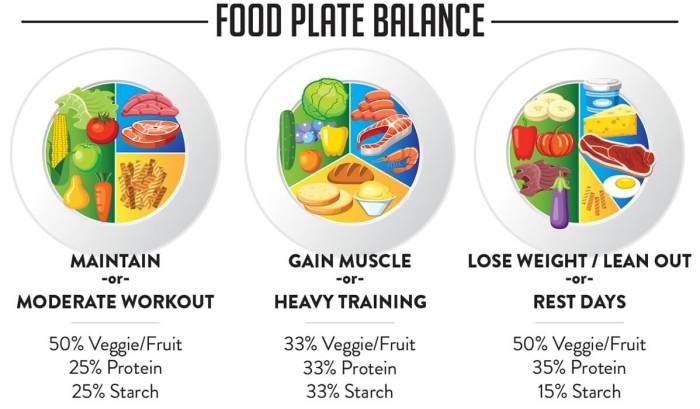
To determine individual macronutrient requirements, several factors need to be considered, including age, gender, activity level, and specific goals. Calculating macronutrient needs is crucial for maintaining a balanced diet and achieving desired outcomes.
Factors Influencing Macronutrient Requirements:
- Age: Different age groups have varying energy needs, affecting the required macronutrient intake.
- Gender: Biological differences between males and females can influence macronutrient needs.
- Activity Level: Active individuals have higher energy requirements, which impact macronutrient ratios.
- Goals: Whether the goal is weight loss, muscle gain, or overall health, macronutrient intake must align with these objectives.
Tools and Resources for Calculating Macronutrient Needs:
- Online Calculators: Various websites offer macronutrient calculators based on personal information and goals.
- Professional Consultations: Registered dietitians or nutritionists can provide personalized guidance on macronutrient requirements.
Understanding macronutrient ratios is essential for tailoring your diet to meet specific needs or preferences.
Adjusting Macronutrient Ratios:
- Carbohydrates, proteins, and fats can be adjusted in the diet to accommodate dietary preferences or address certain health conditions.
- For example, individuals following a ketogenic diet may increase fat intake while reducing carbohydrates to achieve ketosis.
- Those with certain medical conditions may need to adjust macronutrient ratios to manage their health effectively.
Tips for Balancing Macronutrients
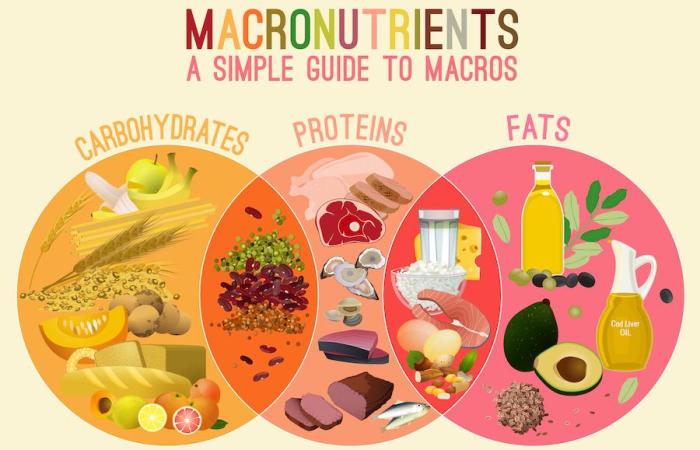
Eating a well-balanced diet that includes a variety of macronutrients is essential for overall health and wellness. Here are some practical tips for incorporating macronutrients into your daily meals and achieving a balanced diet.
Include a Source of Protein in Every Meal
Protein is an essential macronutrient that helps build and repair tissues in the body. Include sources of lean protein such as chicken, fish, tofu, beans, or legumes in each meal to meet your daily protein needs.
Incorporate Healthy Fats
Healthy fats are important for brain function and hormone production. Include sources of monounsaturated and polyunsaturated fats like avocados, nuts, seeds, and olive oil in your diet to maintain a healthy balance of fats.
Fill Up on Fiber-Rich Carbohydrates
Carbohydrates are the body’s main source of energy, so it’s important to choose complex carbohydrates that are high in fiber. Incorporate whole grains, fruits, vegetables, and legumes into your meals to stay full and satisfied while meeting your carbohydrate needs.
Adjust Portions Based on Activity Level
Your macronutrient needs may vary based on your activity level. If you lead a more active lifestyle, consider increasing your carbohydrate intake to fuel your workouts. On the other hand, if you have a sedentary lifestyle, focus on controlling your portions to avoid excess calorie intake.
Choose Nutrient-Dense Foods
Opt for nutrient-dense foods that provide a variety of vitamins and minerals along with macronutrients. Foods like leafy greens, berries, nuts, and seeds are not only rich in macronutrients but also offer additional health benefits to support overall well-being.
Effects of Macronutrient Imbalance: How To Balance Macronutrients In Your Diet
Consuming too much or too little of specific macronutrients can have various consequences on our overall health and well-being. Imbalanced macronutrients can impact mental wellness, physical fitness, and overall energy levels.
Potential Consequences of Macronutrient Imbalance
- Too much carbohydrates: Excess intake of carbohydrates can lead to weight gain, spikes in blood sugar levels, and increased risk of chronic diseases like diabetes.
- Too little protein: Inadequate protein consumption can result in muscle loss, weakened immune system, and slower recovery from injuries.
- Excessive fats: Consuming high amounts of unhealthy fats can raise cholesterol levels, increase the risk of heart disease, and contribute to obesity.
Impact on Mental Wellness and Physical Fitness
- Imbalanced macronutrients can affect cognitive function, mood swings, and overall mental well-being.
- Insufficient protein and excess carbohydrates may hinder muscle growth and athletic performance.
- Overconsumption of fats can lead to sluggishness, decreased energy levels, and poor physical endurance.
Recognizing Signs of Macronutrient Imbalance
- Pay attention to weight fluctuations, changes in energy levels, and mood swings.
- Track your food intake and assess if you are meeting the recommended daily intake for each macronutrient.
- Consult a healthcare provider or nutritionist if you experience persistent symptoms of macronutrient imbalance.
Integrating Macronutrient Balance with Holistic Wellness
When it comes to holistic wellness, achieving a balance in macronutrient intake plays a crucial role in supporting overall health and well-being. By understanding how macronutrients impact our bodies and minds, we can optimize our nutrition to promote mental health, prevent chronic diseases, and enhance our quality of life.
Benefits of Balanced Macronutrients for Holistic Wellness, How to balance macronutrients in your diet
- Proper macronutrient balance can support cognitive function and mood stability, contributing to improved mental health.
- By ensuring adequate intake of proteins, carbohydrates, and fats, we can reduce the risk of developing chronic conditions such as heart disease, diabetes, and obesity.
- Integrating balanced macronutrients into our diet can enhance energy levels, promote better sleep patterns, and boost overall vitality.
Strategies for Aligning Macronutrient Intake with Holistic Wellness Practices
- Pair macronutrient-rich meals with regular exercise to optimize nutrient absorption and support muscle recovery.
- Include a variety of colorful fruits and vegetables in your diet to ensure a diverse range of essential vitamins and minerals.
- Practice mindful eating and listen to your body’s hunger and fullness cues to maintain a healthy relationship with food.
- Stay hydrated throughout the day to support digestion, nutrient transport, and overall bodily functions.
Helpful Answers
How do macronutrients contribute to a balanced diet?
Macronutrients provide the essential nutrients needed for energy, growth, and overall health. They include carbohydrates, proteins, and fats.
What are the consequences of imbalanced macronutrients?
Imbalanced macronutrients can lead to weight gain, energy fluctuations, and an increased risk of chronic diseases.
How can I calculate my macronutrient needs?
You can determine your macronutrient requirements based on factors like age, gender, activity level, and health goals. Online calculators and professional consultations are helpful resources.
What are some nutrient-dense foods to include in a balanced diet?
Examples of nutrient-dense foods include fruits, vegetables, lean proteins, whole grains, and healthy fats.
How does macronutrient balance impact holistic wellness?
Balanced macronutrients play a crucial role in supporting mental health, preventing diseases, and enhancing overall well-being when integrated with holistic practices like regular exercise and preventive care.


More Stories
How to incorporate healthy fats into a balanced diet: Tips and Benefits