How healthy eating impacts energy levels and productivity is a question that resonates with many, as we all strive for a life brimming with vitality and accomplishment. The connection between what we consume and how we feel, think, and perform is undeniable.
This exploration delves into the science behind this relationship, revealing how nourishing our bodies with the right nutrients can unlock a reservoir of energy and elevate our productivity to new heights.
From understanding the role of macronutrients and micronutrients in energy production to recognizing the impact of nutrient deficiencies on cognitive function, this journey will guide you towards making informed choices that empower you to thrive. We’ll explore the synergistic benefits of incorporating physical activity into your routine, uncovering how exercise complements a healthy diet to amplify energy levels and enhance overall well-being.
The Science Behind Healthy Eating and Energy Levels
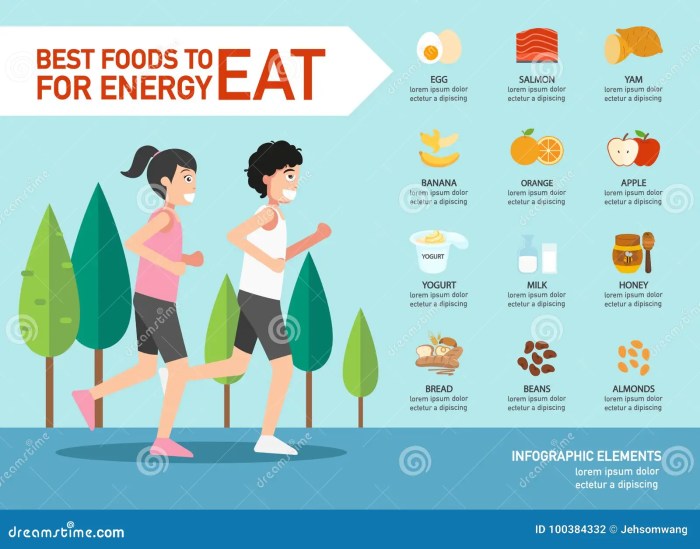
Your body needs fuel to function, and that fuel comes from the food you eat. Understanding how the nutrients in your food are used to create energy can help you make informed choices about your diet.
Macronutrients and Energy Production, How healthy eating impacts energy levels and productivity
Macronutrients are the nutrients your body needs in large amounts. These include carbohydrates, proteins, and fats. Each macronutrient plays a distinct role in energy production:
- Carbohydratesare the body’s primary source of energy. They are broken down into glucose, which is then used by cells for energy through a process called cellular respiration.
- Proteinsare essential for building and repairing tissues, but they can also be used for energy when carbohydrate intake is insufficient. This process is less efficient than using carbohydrates, and it can lead to muscle breakdown.
- Fatsare a concentrated source of energy and provide essential fatty acids that the body cannot produce on its own. They are used for energy storage and are important for hormone production and cell function.
Micronutrients and Energy Metabolism
Micronutrients, such as vitamins and minerals, are needed in smaller amounts but are crucial for supporting energy metabolism. They act as coenzymes and cofactors, assisting in the processes that break down macronutrients into energy.
- B vitamins, including thiamin, riboflavin, niacin, and vitamin B12, are essential for converting carbohydrates into energy. They play key roles in the various steps of cellular respiration.
- Ironis essential for the transport of oxygen throughout the body. Oxygen is vital for cellular respiration, the process that generates energy from glucose.
- Magnesiumis involved in over 300 biochemical reactions, including those related to energy production and muscle function. It helps activate enzymes involved in glucose metabolism.
Examples of Nutrient Impact on Energy Levels
- Iron Deficiency:Iron deficiency, also known as anemia, can lead to fatigue and weakness. This is because iron is crucial for carrying oxygen to the cells, which is essential for energy production.
- B Vitamin Deficiency:Deficiencies in B vitamins can cause fatigue, muscle weakness, and mental fogginess. This is because these vitamins are essential for converting food into energy.
- High-Glycemic Index Foods:Foods with a high glycemic index (GI) are quickly digested and absorbed, leading to a rapid spike in blood sugar levels. This can be followed by a crash in energy, leaving you feeling tired and sluggish.
Impact of Healthy Eating on Productivity
A healthy diet doesn’t just fuel your body, it fuels your mind. It’s a key factor in boosting productivity, helping you focus, remember, and make sound decisions. Imagine your brain as a high-performance engine
the right fuel keeps it running smoothly, while the wrong fuel can cause it to sputter and stall.
The Link Between Diet and Cognitive Function
Numerous studies have shown a strong correlation between what we eat and how our brains function. A balanced diet rich in essential nutrients can significantly enhance cognitive function, improving our ability to focus, learn, and remember information.
“A healthy diet can have a profound impact on cognitive function, particularly in areas like attention, memory, and decision-making.”Dr. John Ratey, Harvard Medical School
For instance, research has found that diets high in fruits, vegetables, and whole grains are linked to better cognitive performance, including improved memory and attention. Conversely, diets high in processed foods, saturated fats, and sugar have been associated with cognitive decline and an increased risk of neurodegenerative diseases.
Balanced Meals for Sustained Energy Levels
Balanced meals are essential for sustained energy levels throughout the day. They provide a steady stream of glucose, the brain’s primary fuel source, preventing energy crashes and fluctuations that can impair focus and concentration.
“Consuming a balanced diet with regular meals and snacks can help stabilize blood sugar levels, preventing energy dips and improving cognitive performance.”Dr. Sarah Ballantyne, The Paleo Mom
When we eat a balanced meal, our bodies release energy gradually, keeping us alert and focused for longer periods. This is in contrast to eating sugary snacks or processed foods, which provide a quick burst of energy followed by a sharp decline, leading to fatigue and decreased productivity.
Impact of Nutrient Deficiencies on Productivity
Nutrient deficiencies can have a significant impact on productivity, affecting both physical and cognitive function. For example, iron deficiency, a common nutritional deficiency, can lead to fatigue, weakness, and impaired cognitive function, including difficulty concentrating and making decisions.
“Iron deficiency is a common cause of fatigue and can significantly impact cognitive function, leading to decreased productivity and impaired performance.”
The National Institutes of Health
Other nutrient deficiencies, such as vitamin B12 deficiency, can also lead to fatigue, cognitive impairment, and decreased productivity. Therefore, ensuring adequate intake of essential nutrients through a balanced diet is crucial for optimal cognitive function and productivity.
The Role of Physical Fitness in Energy and Productivity
Physical fitness plays a crucial role in enhancing energy levels and productivity. Regular exercise has a profound impact on both physical and mental well-being, contributing to a more energized and focused state.
The Impact of Exercise on Energy Levels
Regular exercise can significantly boost energy levels by improving cardiovascular health and increasing oxygen intake. When you engage in physical activity, your heart and lungs work harder, strengthening your cardiovascular system. This improved cardiovascular health allows your body to deliver oxygen more efficiently to your muscles and tissues.
- Enhanced Oxygen Delivery:Exercise strengthens your heart and lungs, leading to improved blood circulation and increased oxygen intake. This increased oxygen supply provides your body with the fuel it needs to function optimally, resulting in higher energy levels.
- Improved Muscle Function:Regular exercise helps build and maintain muscle mass. Muscles require more energy to function, and stronger muscles mean a more efficient energy utilization process.
The Link Between Exercise and Mental Well-being
Exercise has a remarkable impact on mental well-being, reducing stress, improving mood, and enhancing cognitive function.
- Stress Reduction:Exercise releases endorphins, which have mood-boosting effects. Regular physical activity can help manage stress levels, leading to a more relaxed and positive mindset.
- Improved Mood:Exercise has been shown to alleviate symptoms of depression and anxiety. The release of endorphins and other neurochemicals during exercise contributes to a sense of well-being and improved mood.
Exercise and Enhanced Focus
Exercise can improve focus and concentration, leading to increased productivity.
- Improved Cognitive Function:Regular exercise has been linked to improved cognitive function, including memory, attention, and processing speed. These cognitive benefits can translate into better focus and concentration during work or study.
- Reduced Mental Fatigue:Exercise can help reduce mental fatigue, which can often hinder productivity. By engaging in physical activity, you can clear your mind, improve your mood, and enhance your ability to focus.
Creating a Healthy Eating Plan for Optimal Energy
A well-structured eating plan that prioritizes nutrient-rich foods can significantly enhance your energy levels and overall well-being. By incorporating a variety of whole grains, lean protein, fruits, and vegetables, you can provide your body with the essential nutrients it needs to function optimally.
Sample Meal Plan for Optimal Energy
A sample meal plan can serve as a guideline for creating a balanced and energy-boosting diet. This plan emphasizes whole grains, lean protein, fruits, and vegetables, ensuring a steady supply of essential nutrients throughout the day.
- Breakfast:Oatmeal with berries and nuts, or a whole-wheat toast with avocado and an egg.
- Lunch:Salad with grilled chicken or fish, or a whole-wheat wrap with hummus and vegetables.
- Dinner:Salmon with roasted vegetables and quinoa, or lentil soup with a side of whole-wheat bread.
- Snacks:Fruits like bananas, apples, or oranges, a handful of almonds, or yogurt with berries.
Making Healthy Choices When Eating Out or On the Go
Maintaining a healthy diet can be challenging when eating out or on the go. However, by making conscious choices, you can still enjoy your meals while fueling your body with the right nutrients.
- Choose grilled or baked options over fried foods.
- Opt for whole-grain bread and brown rice instead of white bread and white rice.
- Order your food without added sugar or salt.
- Ask for dressings and sauces on the side.
- Choose lean protein sources like chicken, fish, or beans.
Incorporating Hydration into Daily Routines
Adequate hydration is crucial for maintaining energy levels. Water plays a vital role in regulating body temperature, transporting nutrients, and flushing out toxins.
- Carry a reusable water bottle with you and refill it throughout the day.
- Set reminders on your phone or watch to drink water regularly.
- Drink water before, during, and after exercise.
- Choose water over sugary drinks like soda and juice.
The Importance of Sleep for Energy and Productivity
Sleep is not merely a time for rest but a crucial biological process that plays a vital role in energy restoration and cognitive function. During sleep, our bodies and minds work tirelessly to repair and rejuvenate, preparing us for the day ahead.
The Role of Sleep in Energy Restoration and Cognitive Function
Sleep is essential for replenishing energy stores and maintaining optimal cognitive function. When we sleep, our bodies produce hormones that promote growth, repair, and energy restoration. Adequate sleep allows our brains to consolidate memories, process information, and prepare us for learning and decision-making.
The Impact of Sleep Deprivation on Energy Levels, Mood, and Productivity
Sleep deprivation has a significant impact on energy levels, mood, and productivity. When we don’t get enough sleep, our bodies produce less of the hormones that regulate energy, leading to fatigue, decreased motivation, and impaired cognitive function. This can result in difficulty concentrating, making decisions, and remembering information.
Sleep deprivation also affects our mood, increasing irritability, anxiety, and stress.
Establishing a Consistent Sleep Schedule and Creating a Conducive Sleep Environment
Establishing a consistent sleep schedule is crucial for regulating our body’s natural sleep-wake cycle. Going to bed and waking up at the same time each day, even on weekends, helps regulate our internal clock and promotes better sleep quality. Creating a conducive sleep environment is equally important.
This includes making sure our bedroom is dark, quiet, and cool. Avoiding caffeine and alcohol before bed, and engaging in relaxing activities such as reading or taking a warm bath, can also help promote better sleep.
Beyond Nutrition
While healthy eating forms the foundation for sustained energy and productivity, it’s crucial to acknowledge that true well-being encompasses a holistic approach. Holistic wellness emphasizes the interconnectedness of physical, mental, and emotional health, recognizing that each aspect influences the others.
Stress Management Techniques
Chronic stress can deplete energy reserves and hinder productivity. Incorporating stress management techniques into daily life is essential for maintaining optimal energy levels and mental clarity.
- Deep Breathing Exercises:Simple yet powerful, deep breathing techniques like diaphragmatic breathing can help calm the nervous system, reduce cortisol levels, and promote relaxation.
- Mindfulness Meditation:Cultivating mindfulness through meditation involves focusing on the present moment without judgment. It helps to quiet the mind, reduce anxiety, and enhance emotional regulation.
- Progressive Muscle Relaxation:This technique involves systematically tensing and relaxing different muscle groups, promoting physical and mental relaxation.
Mindfulness Practices
Mindfulness practices extend beyond meditation and involve cultivating a greater awareness of thoughts, feelings, and sensations in the present moment. By engaging in mindfulness, we can develop a more conscious relationship with ourselves and our environment, leading to greater clarity and focus.
- Mindful Eating:Paying full attention to the experience of eating, savoring flavors, and noticing sensations can enhance enjoyment and prevent overeating.
- Mindful Walking:Paying attention to the sensations of walking, the rhythm of steps, and the surrounding environment can be a grounding and meditative experience.
- Mindful Breathing:Throughout the day, consciously focusing on the breath can help to anchor us in the present moment and reduce stress.
Social Connections
Strong social connections are essential for both mental and physical well-being. Humans are social creatures, and meaningful relationships provide a sense of belonging, support, and purpose, which contribute to overall energy and productivity.
- Regular Social Interactions:Spending time with loved ones, friends, or colleagues can provide emotional support, laughter, and a sense of community.
- Meaningful Conversations:Engaging in conversations that are stimulating and meaningful can foster intellectual growth and provide a sense of purpose.
- Acts of Kindness:Helping others can create a sense of fulfillment and boost mood, promoting a positive outlook and increased energy.
The Impact of Chronic Diseases on Energy and Productivity
Chronic diseases, such as diabetes and heart disease, can significantly impact energy levels and productivity. These conditions often cause fatigue, weakness, and difficulty concentrating, making it challenging to perform daily tasks and maintain a productive lifestyle.
The Impact of Chronic Diseases on Energy Levels
Chronic diseases can affect energy levels in various ways. For example, diabetes can lead to fluctuations in blood sugar levels, causing fatigue, weakness, and difficulty concentrating. Heart disease can reduce the heart’s ability to pump blood efficiently, leading to shortness of breath, chest pain, and fatigue.
The Impact of Chronic Diseases on Productivity
Chronic diseases can significantly impact productivity. The fatigue and weakness associated with these conditions can make it difficult to focus on work, complete tasks, and maintain a consistent work schedule. Additionally, frequent doctor’s appointments and hospital stays can disrupt work routines and lead to missed deadlines.
Managing Chronic Diseases for Optimal Energy and Productivity
Managing chronic diseases is crucial for maintaining energy and productivity. This involves:
- Following a healthy diet: Eating a balanced diet rich in fruits, vegetables, and whole grains can help regulate blood sugar levels, improve heart health, and provide essential nutrients for energy production.
- Regular exercise: Physical activity can improve cardiovascular health, boost energy levels, and help manage weight, which is essential for controlling chronic diseases.
- Stress management: Chronic stress can worsen chronic diseases and impact energy levels. Engaging in stress-reducing activities like yoga, meditation, or spending time in nature can help manage stress and improve well-being.
- Adhering to medication: Taking prescribed medications as directed is essential for managing chronic diseases and preventing complications that can further impact energy levels and productivity.
“Managing chronic diseases is an ongoing process that requires a proactive approach. By making healthy lifestyle choices and working closely with healthcare professionals, individuals can effectively manage their conditions and maintain optimal energy and productivity.”
Immunity Boosters and Energy Levels: How Healthy Eating Impacts Energy Levels And Productivity
A robust immune system is not just about fighting off colds and flu; it plays a crucial role in maintaining energy levels. When your immune system is strong, it efficiently combats infections and inflammation, preventing the fatigue and weakness associated with illness.
This allows you to maintain optimal energy levels and perform at your best.
The Role of Nutrition in Boosting Immunity
A balanced diet rich in essential nutrients is the cornerstone of a healthy immune system. Certain nutrients directly support immune function, while others help maintain overall health, indirectly bolstering immunity.
- Vitamin C: This powerful antioxidant helps boost the production of white blood cells, which are the immune system’s soldiers. It also plays a role in protecting cells from damage caused by free radicals, further strengthening the immune response.
- Vitamin D: This “sunshine vitamin” is essential for immune cell function and helps regulate inflammation.
- Zinc: This mineral is vital for immune cell development and function. It also helps regulate inflammation and supports wound healing.
- Selenium: This trace mineral plays a crucial role in the production of antioxidant enzymes that protect cells from damage. It also supports the function of the thyroid gland, which is important for overall energy metabolism.
Lifestyle Factors for a Strong Immune System
Beyond nutrition, several lifestyle factors significantly influence immune function and energy levels.
- Regular Exercise: Moderate physical activity helps boost circulation, which delivers immune cells throughout the body. It also helps reduce stress, which can weaken the immune system.
- Adequate Sleep: During sleep, your body produces cytokines, which are proteins that help regulate immune function.
Getting enough sleep is essential for maintaining a strong immune system and preventing fatigue.
- Stress Management: Chronic stress can suppress the immune system, making you more susceptible to illness and fatigue. Stress management techniques like yoga, meditation, or spending time in nature can help strengthen your immune response and improve energy levels.
- Hydration: Staying hydrated is essential for overall health, including immune function. Water helps transport nutrients and immune cells throughout the body and flushes out toxins.
Conclusion
Ultimately, the path to optimal energy and productivity is paved with mindful choices that nourish both body and mind. By prioritizing a balanced diet, embracing regular exercise, and prioritizing sleep, we can cultivate a vibrant state of well-being that fuels our endeavors and allows us to reach our full potential.
Remember, the choices we make today have a profound impact on our energy levels and productivity tomorrow. So, let’s embark on this journey of self-discovery and unlock the power of healthy living.
FAQ Overview
What are some easy ways to incorporate more fruits and vegetables into my diet?
Start by adding a piece of fruit to your breakfast, snack on baby carrots or celery sticks, and try incorporating colorful vegetables into your lunch and dinner meals.
How much water should I drink daily to maintain energy levels?
Aim for 8 glasses of water per day. You can also incorporate hydrating foods like watermelon and cucumber into your diet.
Can I still eat out and maintain a healthy diet?
Absolutely! Choose grilled or baked options over fried foods, opt for salads with lean protein, and request for sauces and dressings on the side to control your intake.


More Stories
Boost Your Immunity Naturally: Daily Habits That Help
Best Healthcare Resources for Chronic Disease Patients
Incorporate Holistic Wellness into Daily Life