Benefits of Creative Hobbies for Mental Wellness
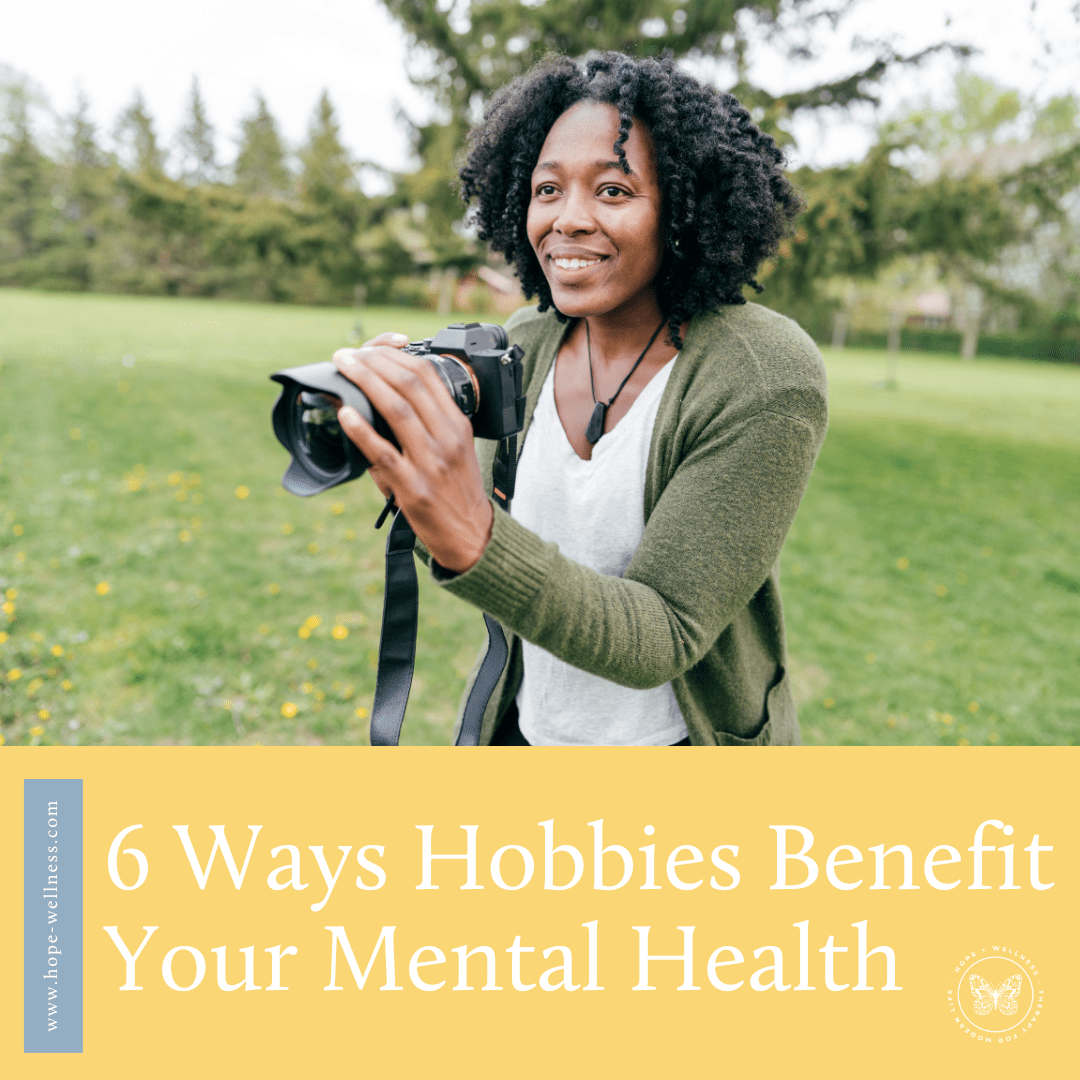
Engaging in creative hobbies can have a profound impact on mental wellness by providing an outlet for self-expression, reducing stress, improving cognitive function, and enhancing emotional well-being.
Examples of Beneficial Creative Hobbies
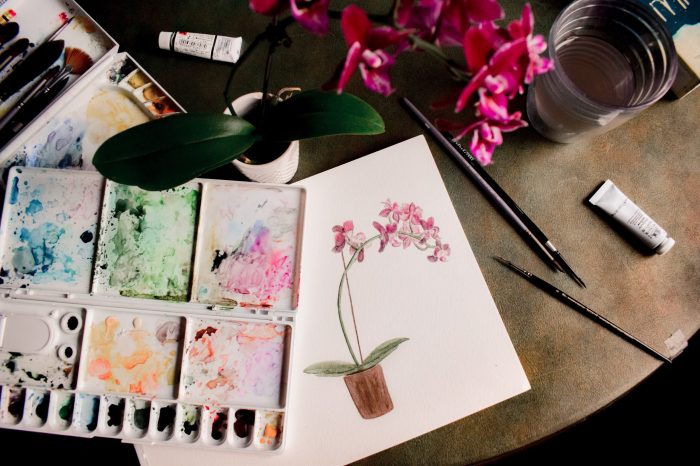
- Painting or drawing: These activities allow for creative expression and can be meditative, promoting relaxation and stress relief.
- Writing: Journaling, poetry, or creative writing can help process emotions, reduce anxiety, and enhance cognitive skills.
- Crafting: Activities like knitting, sewing, or woodworking can improve focus, boost self-esteem, and provide a sense of accomplishment.
- Playing music: Learning an instrument or composing music can stimulate the brain, improve mood, and offer a form of emotional release.
Connection Between Creative Expression and Stress Reduction
Creative expression through hobbies like art, writing, or music can help individuals channel their emotions in a healthy way, reducing stress and promoting relaxation. Engaging in these activities allows for a break from daily pressures and a chance to focus on the present moment, leading to a sense of calm and well-being.
Improvement in Cognitive Function and Emotional Well-Being
Participating in creative hobbies has been shown to enhance cognitive function by stimulating the brain, improving problem-solving skills, and boosting memory. Additionally, the emotional benefits of creative activities include increased self-awareness, a sense of accomplishment, and a positive outlet for processing and expressing feelings.
Mental Wellness and Physical Fitness
Regular physical activity is not only beneficial for physical health but also plays a crucial role in improving mental wellness. The connection between mental health and physical fitness is well-established, with exercise being a powerful tool in promoting overall well-being.
Exercise has been shown to have a positive impact on mental health by reducing symptoms of anxiety and depression. When we engage in physical activity, our bodies release endorphins, also known as “feel-good” hormones, which can help alleviate stress and boost mood. Additionally, regular exercise can improve sleep quality, increase self-esteem, and enhance cognitive function.
Benefits of Incorporating Physical Activities into a Mental Wellness Routine
- Stress Reduction: Physical activities such as yoga, running, or dancing can help lower cortisol levels and reduce stress, leading to a calmer mind.
- Mood Enhancement: Exercise triggers the release of endorphins, dopamine, and serotonin, which can improve mood and combat feelings of depression.
- Increased Energy Levels: Regular physical activity can boost energy levels and combat feelings of fatigue, helping individuals feel more motivated and productive.
- Improved Self-Esteem: Engaging in physical activities and achieving fitness goals can enhance self-esteem and confidence, leading to a more positive self-image.
Physical activities that promote mental well-being can vary depending on individual preferences and fitness levels. Some examples include hiking in nature, swimming, cycling, martial arts, or participating in team sports. The key is to find activities that bring enjoyment and satisfaction while also providing the physical benefits that contribute to improved mental health.
Healthy Eating for Mental Wellness
Eating a balanced diet plays a crucial role in supporting mental wellness. The food we consume directly impacts our brain health and cognitive function, affecting our overall mood and well-being.
Nutrition and Brain Health
A diet rich in nutrients like omega-3 fatty acids, antioxidants, vitamins, and minerals can help improve brain function and protect against cognitive decline. These nutrients support the production of neurotransmitters, crucial for regulating mood and emotions.
- Foods high in omega-3 fatty acids, such as fatty fish (salmon, mackerel, sardines), flaxseeds, and walnuts, can help reduce inflammation in the brain and improve mood.
- Antioxidant-rich foods like berries, dark chocolate, and leafy greens can protect brain cells from oxidative stress, promoting cognitive function and mental clarity.
- Whole grains, lean proteins, and healthy fats provide a steady source of energy for the brain, enhancing focus and concentration.
Healthy Eating Habits and Improved Mood
Maintaining a balanced diet and consuming nutrient-dense foods can positively impact mood and mental wellness. Eating regular meals, staying hydrated, and avoiding excessive sugar and processed foods can help stabilize blood sugar levels and prevent mood swings.
- Consuming complex carbohydrates like whole grains, fruits, and vegetables can boost serotonin levels, promoting feelings of happiness and relaxation.
- Protein-rich foods, such as lean meats, eggs, and legumes, support the production of dopamine and norepinephrine, neurotransmitters that regulate motivation and mood.
- Hydrating with water and herbal teas can improve cognitive function and prevent dehydration, which can lead to fatigue and mood disturbances.
Preventive Care and Mental Wellness
Benefits of creative hobbies for mental wellness – Preventive care plays a crucial role in maintaining mental well-being by focusing on early intervention and screenings to support overall mental health.
Importance of Preventive Care
Preventive care is essential in identifying and addressing potential mental health issues before they escalate, allowing individuals to take proactive steps to maintain their well-being.
Early Intervention and Screenings
- Regular mental health screenings can help detect any underlying issues early on, enabling timely intervention and support.
- Early identification of symptoms and risk factors can lead to effective treatment and management strategies.
Preventive Measures
There are various preventive measures individuals can take to promote mental wellness and prevent mental health issues:
- Engaging in regular physical activity to boost mood and reduce stress.
- Practicing mindfulness and meditation to enhance self-awareness and emotional regulation.
- Maintaining a balanced diet rich in nutrients to support brain health and overall well-being.
- Building strong social connections and seeking support from loved ones during challenging times.
Role of Regular Check-ups
Regular check-ups with healthcare providers play a significant role in promoting overall mental wellness by:
- Monitoring mental health status and addressing any concerns or symptoms promptly.
- Ensuring access to professional guidance and resources for mental health support.
- Creating a proactive approach to mental well-being through consistent monitoring and management.
Benefits of Holistic Wellness for Mental Health: Benefits Of Creative Hobbies For Mental Wellness
Holistic wellness encompasses the idea of treating the whole person, including physical, emotional, and spiritual aspects, rather than focusing on symptoms alone. This approach recognizes the interconnectedness of these aspects and how they contribute to overall well-being, including mental health.
Impact of Holistic Wellness on Mental Health, Benefits of creative hobbies for mental wellness
- Addressing physical health through regular exercise, proper nutrition, and sufficient rest can improve mental well-being by reducing stress, anxiety, and depression.
- Emotional well-being, including managing emotions, building healthy relationships, and practicing self-care, can enhance mental resilience and coping mechanisms.
- Spiritual practices such as meditation, mindfulness, or connecting with nature can provide a sense of purpose, inner peace, and harmony, promoting mental clarity and emotional balance.
Examples of Holistic Practices
- Yoga and Tai Chi for physical and mental relaxation.
- Mindfulness meditation for emotional awareness and stress reduction.
- Art therapy for creative expression and emotional healing.
Benefits of a Holistic Approach to Mental Health Care
- Offers a comprehensive and personalized treatment that considers individual needs and preferences.
- Promotes prevention and proactive measures to maintain mental well-being.
- Fosters a deeper understanding of the root causes of mental health issues rather than just treating symptoms.
Creative Hobbies and Immunity Boosters
Engaging in creative hobbies not only provides mental wellness benefits but also plays a role in boosting immunity. The link between stress reduction through creative activities and immune system function is crucial in maintaining overall health. A healthy mind contributes to better immune responses, making it essential to incorporate creative hobbies into daily routines.
Enhanced Immune System Function
Creative hobbies such as painting, crafting, gardening, and playing musical instruments have been shown to reduce stress levels. Lower stress levels lead to a decrease in cortisol production, which can impair the immune system. By engaging in these activities, individuals can enhance their immune system function and strengthen their body’s defenses against illnesses.
- Painting and Drawing: Expressing emotions through art can reduce stress and anxiety, leading to a more robust immune system.
- Gardening: Spending time outdoors, connecting with nature, and nurturing plants can have a calming effect on the mind and body, promoting better immune responses.
- Playing Musical Instruments: Music has been linked to lower levels of stress and improved mood, which can positively impact immune function.
Healthy Mind for Better Immune Responses
A healthy mind is essential for optimal immune responses. Creative hobbies provide a sense of accomplishment, boost self-esteem, and improve overall mental well-being. When individuals feel happier and more fulfilled, their immune system is better equipped to fight off infections and diseases.
By incorporating creative hobbies into your daily routine, you not only enhance your mental wellness but also strengthen your immune system, leading to better overall health.
Popular Questions
How can creative hobbies benefit mental wellness?
Engaging in creative hobbies can enhance mental wellness by reducing stress, improving cognitive function, and boosting emotional well-being.
What are some examples of creative hobbies that promote mental health?
Painting, writing, crafting, and playing musical instruments are examples of creative hobbies that can benefit mental health.
Is there a connection between creative expression and stress reduction?
Absolutely, creative expression has been linked to reduced stress levels and overall emotional well-being.


More Stories