How physical fitness impacts energy levels and sleep quality is a topic that’s often overlooked, yet it holds the key to unlocking a healthier, more vibrant life. Regular exercise isn’t just about achieving a toned physique; it’s about cultivating a well-being that radiates from within.
This article delves into the intricate connection between physical activity and our body’s natural energy cycles, exploring how fitness can be a powerful tool for boosting energy, improving sleep, and enhancing overall health.
The science behind this relationship is compelling. When we engage in physical activity, our bodies release endorphins, which have mood-boosting effects and can combat fatigue. Furthermore, exercise strengthens our cardiovascular system, improving blood flow and oxygen delivery to our muscles and brain, leading to increased energy and alertness.
The impact of exercise on sleep is equally profound. Physical activity helps regulate our circadian rhythms, the natural sleep-wake cycle, promoting more restful and restorative sleep. By understanding how fitness impacts our energy and sleep, we can harness its power to achieve a more balanced and fulfilling life.
The Connection Between Physical Fitness and Energy Levels
Regular physical activity is not only beneficial for our physical health but also plays a crucial role in boosting our energy levels. Engaging in exercise can lead to a significant improvement in our overall energy and vitality, allowing us to feel more energized and capable of tackling daily tasks with greater ease.
Physiological Mechanisms Behind Enhanced Energy
The connection between physical fitness and increased energy levels is rooted in various physiological mechanisms. Exercise stimulates the release of endorphins, which are natural mood-boosting chemicals that promote feelings of well-being and reduce fatigue. Moreover, regular physical activity improves cardiovascular health by strengthening the heart and lungs, leading to more efficient oxygen delivery throughout the body.
This enhanced oxygen transport provides the body with the necessary fuel for energy production, resulting in increased stamina and reduced feelings of tiredness.
The Impact of Different Exercise Types on Energy Levels
Different types of exercise can have varying impacts on energy levels.
- Aerobic Exercise:Activities like running, swimming, and cycling improve cardiovascular health, boost metabolism, and enhance oxygen uptake, resulting in increased energy levels.
- Strength Training:Resistance training, such as weightlifting, helps build muscle mass, which increases metabolic rate and improves energy expenditure.
- Yoga and Pilates:These practices promote flexibility, strength, and balance, reducing stress and improving mental clarity, which can contribute to enhanced energy levels.
Research Findings on Fitness and Energy
Numerous studies have demonstrated the positive correlation between physical fitness and increased energy levels.
- A study published in the Journal of Strength and Conditioning Research found that individuals who engaged in regular aerobic exercise reported significant improvements in their energy levels and reduced fatigue.
- Another study published in the journal Medicine & Science in Sports & Exercise showed that resistance training can lead to increased energy expenditure and improved metabolic function, resulting in greater energy levels.
How Physical Fitness Enhances Sleep Quality
Physical activity plays a crucial role in promoting good sleep by influencing our natural sleep-wake cycle, known as the circadian rhythm. Regular exercise helps regulate this rhythm, leading to more consistent and restful sleep.
The Impact of Physical Activity on Circadian Rhythms
Regular physical activity has been shown to synchronize our internal clock with the natural light-dark cycle, contributing to better sleep timing and quality. Exercise helps reset the circadian rhythm by increasing core body temperature, which signals the body to prepare for sleep later in the day.
This process is similar to the effect of sunlight on our circadian rhythm.
Effects of Exercise Timing on Sleep Quality, How physical fitness impacts energy levels and sleep quality
The timing of exercise can significantly influence its impact on sleep.
- Morning exercise: Engaging in physical activity early in the day can help regulate the circadian rhythm, leading to better sleep timing and quality. Studies have shown that morning exercise can improve sleep quality, particularly for individuals with insomnia.
- Afternoon exercise: Exercising in the afternoon can also be beneficial for sleep, as it allows the body to cool down before bedtime. However, intense workouts too close to bedtime may interfere with sleep onset.
- Evening exercise: While some people find that evening exercise helps them relax and fall asleep faster, it can also disrupt sleep for others. The increased body temperature and alertness associated with exercise can make it challenging to fall asleep quickly.
Benefits of Exercise for Individuals with Sleep Disorders
Regular physical activity has been found to be particularly beneficial for individuals with specific sleep disorders.
- Insomnia: Studies have shown that regular exercise can improve sleep quality in individuals with insomnia. Exercise helps regulate the circadian rhythm, promotes relaxation, and reduces stress, all of which contribute to better sleep.
- Sleep Apnea: Exercise can improve breathing and reduce the severity of sleep apnea symptoms. It can help with weight management, a significant factor in sleep apnea, and improve the overall health of the respiratory system.
- Restless Leg Syndrome: Regular exercise can help reduce the symptoms of restless leg syndrome. It can improve blood circulation and reduce muscle tension, both of which can contribute to the uncomfortable sensations associated with this disorder.
The Impact of Physical Fitness on Overall Health and Well-being
Physical fitness plays a crucial role in promoting overall health and well-being. Engaging in regular physical activity not only enhances energy levels and sleep quality but also significantly reduces the risk of chronic diseases, improves mental health, and strengthens the immune system.
The Relationship Between Physical Fitness and Reduced Risk of Chronic Diseases
Physical fitness is strongly linked to a reduced risk of developing chronic diseases, which are long-term conditions that can significantly impact quality of life. Regular exercise helps to manage weight, lower blood pressure, improve cholesterol levels, and reduce inflammation, all of which are major contributors to chronic disease development.
- Cardiovascular Disease:Regular physical activity strengthens the heart and improves blood circulation, reducing the risk of heart attacks, strokes, and other cardiovascular problems. Studies have shown that individuals who are physically active have a lower risk of developing cardiovascular disease compared to their sedentary counterparts.
- Type 2 Diabetes:Exercise helps to regulate blood sugar levels, making it an effective strategy for preventing and managing type 2 diabetes. Physical activity increases insulin sensitivity, allowing the body to use glucose more efficiently and reducing the risk of developing high blood sugar levels.
- Cancer:Some studies suggest that regular physical activity may reduce the risk of certain types of cancer, including colon, breast, and endometrial cancers. While the exact mechanisms are not fully understood, exercise may help to regulate hormones, reduce inflammation, and boost the immune system, all of which play a role in cancer prevention.
- Osteoporosis:Weight-bearing exercises, such as walking, jogging, and weightlifting, help to strengthen bones and reduce the risk of osteoporosis, a condition characterized by weakened bones and increased fracture risk.
The Benefits of Physical Activity for Improved Mental Health and Emotional Well-being
Exercise is not only beneficial for physical health but also plays a vital role in promoting mental well-being. Physical activity releases endorphins, which have mood-boosting effects, and can help to reduce stress, anxiety, and depression.
- Stress Reduction:Exercise is an effective stress reliever. It helps to release endorphins, which have mood-boosting effects and can reduce feelings of stress and anxiety. Regular physical activity can also help to improve sleep quality, which is essential for managing stress levels.
- Improved Mood:Exercise has been shown to have a positive impact on mood. It releases endorphins, which have mood-boosting effects and can reduce feelings of sadness and depression. Regular physical activity can also help to improve self-esteem and confidence, which can further enhance mood.
- Cognitive Function:Exercise has been linked to improved cognitive function, including memory, attention, and processing speed. It helps to increase blood flow to the brain, which can enhance cognitive function and protect against age-related cognitive decline.
The Benefits of Physical Activity for Boosting Immunity and Preventing Illness
Physical activity plays a crucial role in boosting the immune system and reducing the risk of illness. Regular exercise helps to improve circulation, reduce inflammation, and strengthen the immune system, making the body better equipped to fight off infections.
- Improved Circulation:Exercise increases blood flow throughout the body, delivering oxygen and nutrients to cells and tissues. This improved circulation helps to strengthen the immune system by transporting immune cells and other important components throughout the body.
- Reduced Inflammation:Chronic inflammation is a major contributor to many diseases, including heart disease, cancer, and autoimmune disorders. Regular exercise helps to reduce inflammation throughout the body, strengthening the immune system and reducing the risk of these conditions.
- Enhanced Immune Function:Exercise helps to boost the immune system by increasing the production of white blood cells, which are responsible for fighting off infections. Regular physical activity can also help to improve the function of other immune cells, such as natural killer cells, which are important for destroying cancer cells.
Optimizing Physical Fitness for Enhanced Energy and Sleep
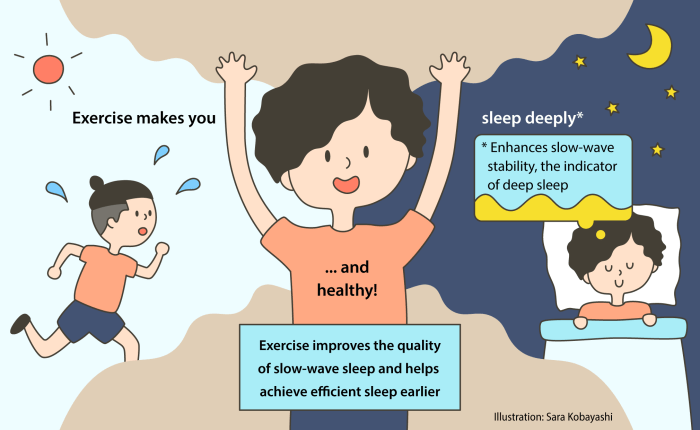
A well-designed exercise program can significantly enhance energy levels and improve sleep quality. By incorporating both aerobic and strength training activities, you can boost your body’s energy production and promote better sleep patterns.
Exercise Program Design
A comprehensive exercise program should include both aerobic and strength training activities. Aerobic exercise, such as running, swimming, or cycling, helps improve cardiovascular health, increase lung capacity, and boost energy levels. Strength training, on the other hand, builds muscle mass, strengthens bones, and improves metabolic function.
Recommended Exercise Frequencies, Durations, and Intensities
| Fitness Level | Aerobic Exercise | Strength Training |
|---|---|---|
| Beginner | 2-3 sessions per week, 20-30 minutes, moderate intensity | 2-3 sessions per week, 2-3 sets of 8-12 repetitions per exercise |
| Intermediate | 3-5 sessions per week, 30-45 minutes, moderate to vigorous intensity | 2-3 sessions per week, 3-4 sets of 8-12 repetitions per exercise |
| Advanced | 5-7 sessions per week, 45-60 minutes, vigorous intensity | 3-4 sessions per week, 4-5 sets of 8-12 repetitions per exercise |
Promoting Healthy Sleep Habits
Regular exercise can significantly improve sleep quality, but it’s essential to combine it with healthy sleep habits. Here are some tips:
- Establish a consistent sleep schedule, going to bed and waking up at the same time each day, even on weekends.
- Create a relaxing bedtime routine that signals your body it’s time to wind down, such as taking a warm bath, reading a book, or listening to calming music.
- Avoid caffeine and alcohol before bed, as they can interfere with sleep.
- Ensure your bedroom is dark, quiet, and cool, creating an optimal sleep environment.
- Limit screen time before bed, as the blue light emitted from electronic devices can suppress melatonin production.
The Role of Other Lifestyle Factors: How Physical Fitness Impacts Energy Levels And Sleep Quality
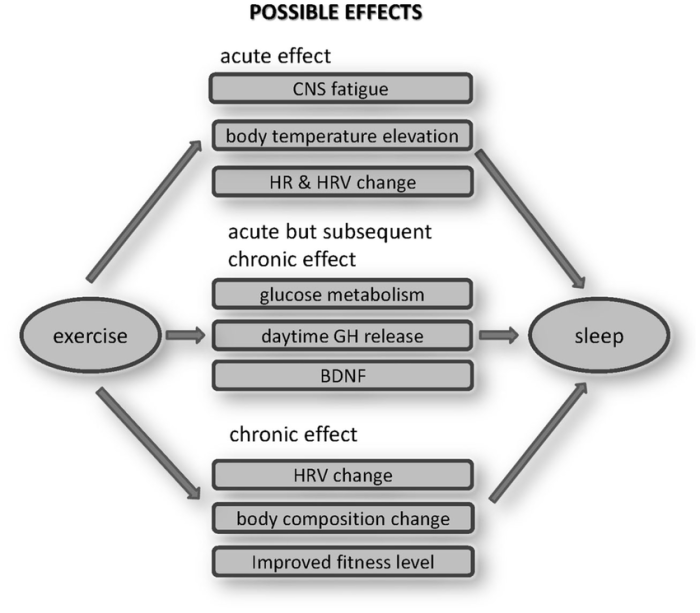
While physical fitness plays a crucial role in boosting energy levels and improving sleep quality, other lifestyle factors also significantly contribute to overall well-being. These factors work in synergy with exercise to enhance energy, sleep, and overall health.
The Importance of a Balanced Diet
A balanced diet provides the necessary nutrients to support energy levels and sleep quality. Consuming a variety of foods from all food groups ensures the body receives the required vitamins, minerals, and macronutrients for optimal functioning.
- Carbohydrates: Provide the body with energy, particularly for physical activity. Complex carbohydrates, found in whole grains, fruits, and vegetables, are digested slowly, providing sustained energy release.
- Proteins: Essential for building and repairing tissues, proteins also play a role in regulating blood sugar levels and promoting satiety.
- Healthy Fats: Important for hormone production, cell function, and energy absorption. Unsaturated fats, found in avocados, nuts, and olive oil, are beneficial for heart health.
- Vitamins and Minerals: Crucial for various bodily functions, including energy production, sleep regulation, and immune system support.
Closing Notes
In conclusion, the relationship between physical fitness, energy levels, and sleep quality is a multifaceted one, offering a path towards a healthier and more vibrant life. By embracing regular exercise, incorporating healthy lifestyle choices, and prioritizing restful sleep, we can tap into the powerful synergy that exists between our bodies and minds.
This holistic approach not only boosts our energy and sleep quality but also enhances our overall well-being, equipping us to navigate life’s challenges with greater resilience and vitality.
Frequently Asked Questions
What are the best types of exercise for improving sleep?
Moderate-intensity aerobic exercise, like brisk walking or cycling, is generally recommended for promoting better sleep. Avoid intense workouts close to bedtime, as they can make it harder to fall asleep.
How much exercise is enough to see positive effects on energy and sleep?
Aim for at least 150 minutes of moderate-intensity aerobic activity or 75 minutes of vigorous-intensity aerobic activity per week. Even shorter bursts of exercise can be beneficial.
Can exercise help with insomnia?
Yes, regular exercise can be helpful for individuals with insomnia. However, it’s crucial to consult with a healthcare professional to determine the best approach.


More Stories
Boost Your Immunity Naturally: Daily Habits That Help
Best Healthcare Resources for Chronic Disease Patients
Incorporate Holistic Wellness into Daily Life