How to Incorporate Healthy Fats into a Balanced Diet
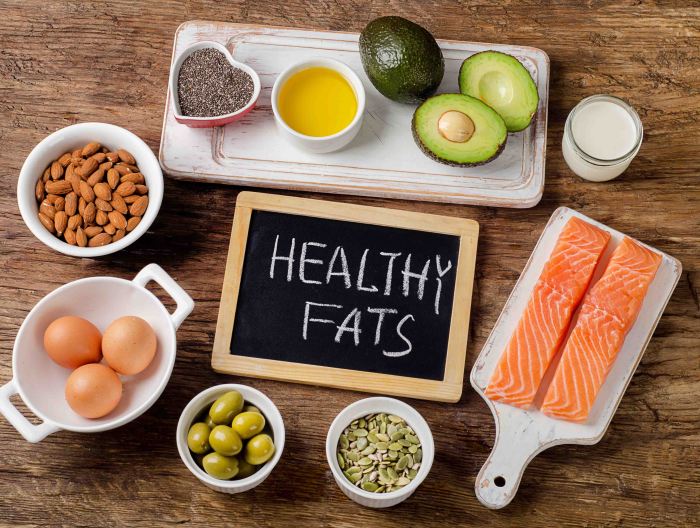
How to incorporate healthy fats into a balanced diet – Healthy fats play a crucial role in a balanced diet as they provide essential nutrients and energy for our bodies. It is important to incorporate these fats in moderation to support overall health and well-being.
Examples of Foods Rich in Healthy Fats
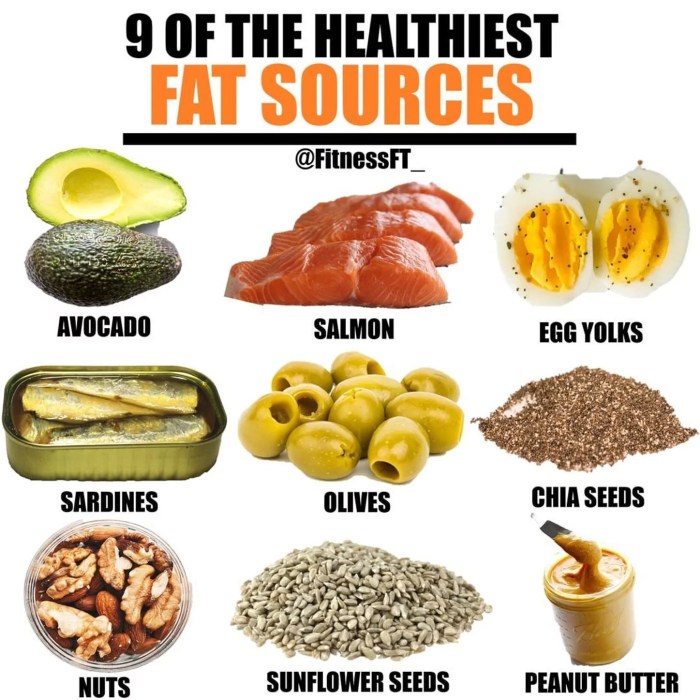
- Avocados: Rich in monounsaturated fats, avocados are a versatile and nutritious option to include in salads, sandwiches, or as a topping.
- Fatty Fish: Salmon, mackerel, and sardines are excellent sources of omega-3 fatty acids, which are beneficial for heart health and brain function.
- Nuts and Seeds: Almonds, walnuts, chia seeds, and flaxseeds are packed with healthy fats, fiber, and antioxidants. They can be added to oatmeal, yogurt, or smoothies for a nutritious boost.
- Olives and Olive Oil: Extra virgin olive oil and olives contain monounsaturated fats that are good for heart health and can be used in cooking or as a salad dressing.
Benefits of Incorporating Healthy Fats for Overall Health
- Supports Brain Function: Healthy fats are essential for brain health and cognitive function.
- Heart Health: Consuming healthy fats can help lower cholesterol levels and reduce the risk of heart disease.
- Improved Nutrient Absorption: Fat-soluble vitamins like A, D, E, and K are better absorbed when consumed with healthy fats.
- Satiety and Weight Management: Including healthy fats in meals can help you feel full and satisfied, reducing the likelihood of overeating.
Tips on How to Cook with Healthy Fats
- Use Olive Oil for Cooking: Opt for extra virgin olive oil when sautéing vegetables, grilling proteins, or drizzling over dishes for added flavor.
- Choose Avocado as a Spread: Swap butter or mayonnaise with mashed avocado on toast, sandwiches, or wraps for a creamy and nutritious alternative.
- Add Nuts and Seeds to Meals: Sprinkle chopped nuts or seeds on salads, yogurt, or stir-fries to increase the healthy fat content of your meals.
Mental Wellness
Consuming healthy fats can have a significant impact on mental wellness. These fats play a crucial role in brain function and can help improve mood, cognition, and overall mental well-being. One key component of healthy fats that is particularly beneficial for brain health is omega-3 fatty acids.
Omega-3 Fatty Acids and Brain Health
Omega-3 fatty acids, found in fatty fish like salmon, mackerel, and sardines, are essential for brain health. These fats are important for building brain cell membranes and have anti-inflammatory properties that can help protect the brain from damage. Studies have shown that omega-3 fatty acids may help reduce symptoms of depression and anxiety, improve focus and concentration, and support overall cognitive function.
- Include fatty fish in your diet at least twice a week to boost your omega-3 intake.
- Snack on walnuts, chia seeds, and flaxseeds for plant-based sources of omega-3 fatty acids.
- Try incorporating avocados, which are rich in monounsaturated fats, into your meals for an added brain-boosting benefit.
Physical Fitness
Healthy fats play a crucial role in supporting physical fitness by providing a concentrated source of energy and aiding in muscle recovery.
Healthy Fat Sources for Boosting Energy Levels
- Avocados: Packed with monounsaturated fats, avocados can provide a sustained energy source for workouts.
- Nuts and Seeds: Almonds, walnuts, chia seeds, and flaxseeds are rich in healthy fats and can help boost energy levels.
- Fatty Fish: Salmon, mackerel, and sardines contain omega-3 fatty acids that support heart health and provide energy for physical activities.
How Healthy Fats Aid Muscle Recovery
Healthy fats help reduce inflammation in the body, which is crucial for muscle recovery after intense workouts. Omega-3 fatty acids, found in fatty fish and flaxseeds, can help decrease muscle soreness and promote faster recovery. Including sources of healthy fats in post-workout meals can contribute to better muscle repair and growth.
Healthy Eating
When creating a well-rounded meal plan, it’s essential to incorporate healthy fats to support overall health and well-being.
Types of Healthy Fats
- Monounsaturated fats: Found in olive oil, avocados, and nuts, these fats can help reduce bad cholesterol levels.
- Polyunsaturated fats: Sources include fatty fish, flaxseeds, and walnuts, which are rich in omega-3 fatty acids important for brain function and heart health.
- Saturated fats: While typically associated with negative health effects, some sources like coconut oil and dark chocolate can have potential benefits in moderation.
Creating Snacks with Healthy Fats
- Avocado toast with whole grain bread for a satisfying and nutrient-dense snack.
- Greek yogurt topped with nuts or seeds for a protein-packed option that also provides healthy fats.
- A piece of dark chocolate paired with a handful of almonds for a sweet and savory snack rich in antioxidants and healthy fats.
Preventive Care
When it comes to preventive care, incorporating healthy fats into your diet can play a crucial role in maintaining overall health and well-being. These essential nutrients can offer a range of protective benefits that contribute to disease prevention and overall wellness.
Reduced Risk of Heart Disease, How to incorporate healthy fats into a balanced diet
Healthy fats, such as monounsaturated and polyunsaturated fats found in foods like avocados, nuts, and oily fish, can help lower bad cholesterol levels in the blood. By reducing cholesterol buildup in the arteries, these fats can decrease the risk of heart disease and stroke.
Improved Cognitive Function
Omega-3 fatty acids, found in fatty fish like salmon and walnuts, are known for their brain-boosting properties. These fats can help support cognitive function, memory, and mood, reducing the risk of cognitive decline and conditions like Alzheimer’s disease.
Enhanced Immune Function
Incorporating healthy fats into your diet can also strengthen your immune system, helping your body fight off infections and diseases more effectively. Essential fatty acids like omega-6 and omega-9 play a key role in immune response and inflammation regulation.
Balanced Diet
Eating a balanced diet is essential for overall health and well-being. It involves consuming a variety of foods in appropriate portions to ensure that your body receives all the necessary nutrients for optimal function. Healthy fats play a crucial role in a balanced diet, providing energy, supporting cell growth, and helping the body absorb essential vitamins.
Recommended Daily Intake of Healthy Fats
According to dietary guidelines, around 20-35% of your daily caloric intake should come from fats. Within this, it is recommended that most of the fats consumed should be healthy fats, such as monounsaturated and polyunsaturated fats. Saturated fats and trans fats should be limited to maintain a balanced diet.
Examples of Meal Plans with Healthy Fats
- Breakfast: Avocado toast with a sprinkle of chia seeds, a handful of nuts, and a side of Greek yogurt topped with berries.
- Lunch: Grilled salmon salad with mixed greens, cherry tomatoes, cucumbers, and a dressing made from olive oil and balsamic vinegar.
- Snack: Sliced apple with almond butter or a small portion of hummus with carrot sticks.
- Dinner: Baked chicken breast with quinoa and steamed broccoli drizzled with olive oil and a squeeze of lemon.
Regular Exercise
Regular exercise is crucial for maintaining overall health and well-being. When it comes to the relationship between healthy fats and exercise performance, incorporating the right types of fats into your diet can have a positive impact on your workouts.
Enhanced Endurance and Recovery
Healthy fats, such as omega-3 fatty acids found in fish, nuts, and seeds, can help improve endurance during exercise by providing a slow and steady source of energy. These fats also play a role in reducing inflammation, which can aid in faster recovery post-exercise. Including healthy fats in your diet can help support muscle repair and replenish energy stores after a workout.
- Pre-workout snack idea: A small handful of almonds or walnuts with a piece of fruit
- Post-workout snack idea: Greek yogurt topped with chia seeds and a drizzle of honey
Mental Health
Healthy fats play a crucial role in supporting mental health and mood regulation. Incorporating sources of healthy fats into your diet can have a positive impact on cognitive function and overall well-being.
Link Between Healthy Fats and Mental Well-being
Studies have shown that omega-3 fatty acids, found in foods like fatty fish, flaxseeds, and walnuts, are essential for brain health and can help reduce symptoms of depression and anxiety. These healthy fats are known to support the structure and function of brain cells, promoting better mental health.
Importance of a Balanced Diet for Mental Health
A balanced diet that includes healthy fats, along with a variety of nutrients, is crucial for maintaining optimal mental health. Nutrient-rich foods can help regulate mood, improve cognitive function, and lower the risk of mental health disorders. It is important to prioritize whole foods and limit processed foods high in unhealthy fats to support mental well-being.
Holistic Wellness
Healthy fats play a crucial role in promoting holistic wellness by supporting the interconnectedness of physical, mental, and emotional well-being through diet. These fats provide essential nutrients that are beneficial for overall health and vitality, contributing to a balanced and wholesome lifestyle.
Role of Healthy Fats in Holistic Wellness
- Healthy fats, such as omega-3 fatty acids found in fish, nuts, and seeds, are known to support brain function and cognitive health. These fats can help improve mood, memory, and concentration, enhancing mental well-being.
- By incorporating healthy fats into your diet, you can support heart health and reduce the risk of chronic diseases like cardiovascular conditions. Fats like monounsaturated and polyunsaturated fats can help lower cholesterol levels and improve overall cardiovascular wellness.
- Healthy fats also play a role in promoting healthy skin, hair, and nails. They help maintain skin elasticity, support cell structure, and reduce inflammation, contributing to physical well-being and overall appearance.
- Furthermore, healthy fats provide a sense of satiety and satisfaction, helping regulate appetite and prevent overeating. This can lead to weight management and support digestive health, which are essential components of holistic wellness.
Chronic Diseases
Healthy fats play a crucial role in preventing chronic diseases by reducing inflammation, improving heart health, and supporting overall well-being. By incorporating healthy fats into a balanced diet, individuals can lower their risk of developing various chronic conditions.
Heart Disease
- Include foods rich in omega-3 fatty acids such as salmon, walnuts, and flaxseeds to reduce the risk of heart disease.
- Use olive oil as a healthier alternative for cooking to promote heart health.
- Incorporate avocados into meals for their monounsaturated fats that can help lower bad cholesterol levels.
Diabetes
- Opt for nuts and seeds as snacks to stabilize blood sugar levels and reduce the risk of type 2 diabetes.
- Choose lean proteins like chicken or tofu paired with healthy fats like avocado for balanced meals that can help manage diabetes.
- Include fiber-rich foods like whole grains and vegetables to support blood sugar control in individuals with diabetes.
Obesity
- Incorporate coconut oil into cooking to support weight management and boost metabolism.
- Choose sources of healthy fats like nuts and seeds to promote satiety and prevent overeating.
- Include fatty fish like mackerel or sardines in meals for their omega-3 content, which can aid in weight loss efforts.
Immunity Boosters: How To Incorporate Healthy Fats Into A Balanced Diet
Healthy fats play a crucial role in supporting immune function by reducing inflammation and providing essential nutrients for the body’s defense system. Omega-3 fatty acids, in particular, have been shown to have a positive impact on immune health by enhancing the activity of immune cells and reducing the risk of chronic diseases.
Impact of Omega-3 Fatty Acids on Immune Health
Omega-3 fatty acids, found in fatty fish like salmon, mackerel, and sardines, as well as flaxseeds and walnuts, are known for their anti-inflammatory properties. These essential fats help regulate the immune response by reducing inflammation in the body, which can help prevent autoimmune conditions and other immune-related disorders. Including omega-3 rich foods in your diet can support overall immune function and promote a healthy immune system.
Recipes or Meal Ideas with Immune-Boosting Healthy Fats
- Salmon Avocado Salad: Combine grilled salmon with avocado, mixed greens, cherry tomatoes, and a drizzle of olive oil for a nutritious and immune-boosting meal.
- Chia Seed Pudding: Mix chia seeds with almond milk, a touch of honey, and a sprinkle of walnuts for a delicious and omega-3 rich snack that supports immune health.
- Walnut Crusted Chicken: Coat chicken breasts with crushed walnuts and bake until golden brown for a tasty and immune-boosting main course.
FAQ Section
How can I incorporate healthy fats into my daily meals?
You can add sources of healthy fats like avocados, nuts, and olive oil to your salads, smoothies, or as toppings for dishes.
Are all fats considered unhealthy?
No, there are healthy fats like monounsaturated and polyunsaturated fats that are beneficial for your health when consumed in moderation.
Can healthy fats help with weight management?
Yes, healthy fats can help you feel full and satisfied, reducing the chances of overeating and aiding in weight management.


More Stories
How to balance macronutrients in your diet: A Guide to Healthy Eating