Introduction to Physical Fitness Programs for Children
Physical fitness programs for children – Physical fitness is crucial for children’s overall health and well-being. It helps in the development of strong bones, muscles, and a healthy cardiovascular system.
Benefits of Implementing Structured Fitness Programs for Kids
- Promotes healthy growth and development
- Improves cognitive function and academic performance
- Boosts self-esteem and confidence
- Teaches important life skills such as teamwork and discipline
Statistics on Childhood Obesity and the Role of Fitness Programs
Childhood obesity has become a growing concern, with the prevalence of overweight children on the rise. According to the CDC, about 1 in 5 school-aged children in the United States is obese. Implementing structured fitness programs can help combat this issue by encouraging regular physical activity and healthy habits.
Popular Physical Activities Suitable for Children
- Swimming
- Dancing
- Soccer
- Gymnastics
- Cycling
Mental Wellness in Children’s Fitness Programs: Physical Fitness Programs For Children
Physical activity plays a crucial role in promoting mental wellness in children. It not only helps in improving their physical health but also has significant benefits for their mental well-being. Let’s explore how exercise contributes to enhancing mental health in kids.
Reduced Stress Levels
Regular exercise has been shown to reduce stress levels in children by releasing endorphins, also known as the “feel-good” hormones. These hormones help in alleviating feelings of anxiety and stress, promoting a sense of well-being and relaxation.
Mindfulness Practices
Incorporating mindfulness practices, such as deep breathing exercises and guided meditation, within fitness programs can further enhance children’s mental wellness. These practices help in promoting self-awareness, emotional regulation, and stress management, leading to holistic well-being.
Cognitive Function and Emotional Well-being
Engaging in physical activities on a regular basis has a positive impact on children’s cognitive function and emotional well-being. Exercise helps in improving concentration, memory, and overall brain function, leading to better academic performance and emotional resilience.
Overall, integrating mental wellness components into children’s fitness programs can have a profound impact on their overall health and well-being, emphasizing the importance of a holistic approach to physical activity for kids.
Healthy Eating Habits in Children’s Fitness Programs
Promoting healthy eating habits alongside physical activity is crucial for children’s overall well-being. A balanced diet not only supports their energy levels during fitness activities but also aids in proper growth and development.
Role of Nutrition in Supporting Children’s Energy Levels
Nutrition plays a vital role in providing children with the necessary fuel to sustain their energy levels during physical activities. A diet rich in carbohydrates, proteins, healthy fats, vitamins, and minerals helps in replenishing energy stores and supporting muscle function.
- Carbohydrates: Opt for whole grains, fruits, and vegetables to provide a steady source of energy.
- Proteins: Include lean meats, poultry, fish, eggs, dairy, legumes, and nuts to support muscle growth and repair.
- Fats: Choose healthy fats like avocados, nuts, seeds, and olive oil for brain development and energy.
- Vitamins and Minerals: Ensure a variety of colorful fruits and vegetables to meet their daily nutrient requirements.
Examples of Balanced Diet Plans for Kids, Physical fitness programs for children
A balanced diet plan for children engaged in regular exercise should include a variety of nutrient-dense foods. Here’s an example of a daily meal plan:
| Meal | Food Choices |
|---|---|
| Breakfast | Whole grain cereal with milk and a banana |
| Snack | Carrot sticks with hummus |
| Lunch | Turkey and cheese sandwich on whole wheat bread with a side salad |
| Snack | Greek yogurt with berries |
| Dinner | Baked salmon with quinoa and steamed broccoli |
Tips for Educating Children about Healthy Food Choices
It’s essential to involve children in the decision-making process when it comes to food choices. Here are some tips to help educate them:
- Lead by example by eating a variety of nutritious foods yourself.
- Involve children in meal planning and grocery shopping to teach them about different food groups.
- Encourage them to try new foods and flavors to expand their palate.
- Explain the benefits of healthy eating, such as improved energy levels and overall well-being.
Preventive Care Measures in Children’s Fitness Programs
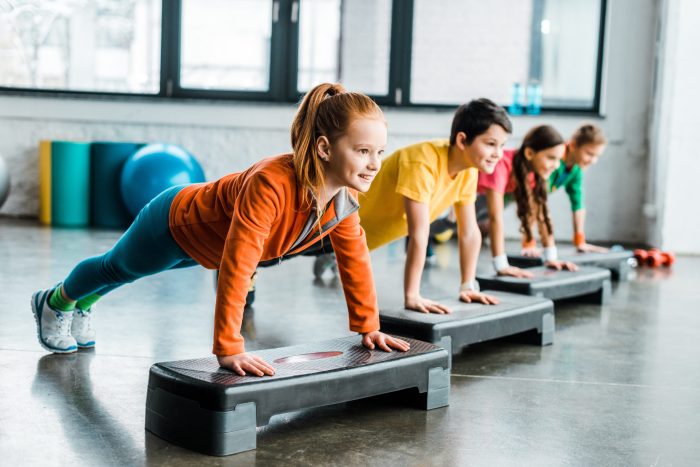
Physical fitness programs play a crucial role in preventing chronic diseases in children by promoting overall health and well-being. These programs help children develop healthy habits at a young age, reducing the risk of obesity, heart disease, diabetes, and other health issues later in life.
Role of Preventive Care Screenings
Regular preventive care screenings are essential in monitoring children’s health progress in fitness programs. These screenings can help identify any underlying health issues early on, allowing for timely intervention and treatment. By tracking key health markers such as BMI, blood pressure, and cholesterol levels, healthcare providers can address any concerns and tailor fitness programs accordingly.
Safety Measures in Designing Fitness Programs
When designing fitness programs for kids, safety should always be a top priority. It is important to ensure that exercises are age-appropriate, taking into consideration the child’s physical development and capabilities. Proper supervision, equipment maintenance, and warm-up routines are also crucial to prevent injuries during workouts.
Age-Appropriate Exercises for Injury Prevention
– Stretching exercises to improve flexibility and reduce the risk of muscle strains.
– Balance activities like standing on one leg to enhance coordination and stability.
– Strength training using bodyweight exercises to build muscle and support joint health.
– Cardiovascular exercises such as running or jumping jacks to boost heart health and endurance.
Immunity Boosters in Children’s Fitness Programs
Regular exercise plays a crucial role in boosting children’s immune systems. By engaging in physical activities, kids can strengthen their immune responses, making them more resilient to illnesses.
Importance of Outdoor Activities and Exposure to Natural Elements
Outdoor activities expose children to natural elements like sunlight, fresh air, and soil, which are essential for enhancing immunity. Sunlight helps in the production of vitamin D, while fresh air and soil introduce beneficial microorganisms that support a healthy immune system.
- Encourage children to play outside regularly to maximize exposure to natural elements.
- Organize outdoor fitness sessions or sports activities to promote overall well-being and immune function.
Incorporating Immunity-Boosting Foods into Children’s Diets
A balanced diet rich in immunity-boosting foods is key to supporting children’s immune health. Include foods high in vitamins C and E, zinc, and antioxidants to strengthen their defenses against infections.
- Offer fruits like oranges, strawberries, and kiwi, as well as vegetables like broccoli and spinach, to provide essential nutrients for immune support.
- Include nuts, seeds, and whole grains in their meals to ensure a diverse and nutrient-rich diet.
Exercises that Enhance Immune Function in Kids
Certain exercises can specifically enhance immune function in children, helping them build a robust defense system against pathogens. Activities that involve moderate-intensity cardio, strength training, and flexibility exercises are beneficial for overall immune health.
- Running, cycling, or swimming can improve cardiovascular health and stimulate the immune system.
- Yoga and stretching exercises can reduce stress levels and promote better immune function.
Helpful Answers
How can physical fitness programs benefit children’s mental health?
Regular physical activity in fitness programs can improve children’s mental well-being by reducing stress levels and enhancing cognitive function.
What role does nutrition play in children’s fitness programs?
Nutrition is essential in maintaining children’s energy levels during fitness activities. Promoting healthy eating habits alongside physical exercise is crucial for overall health.
How do physical fitness programs help prevent chronic diseases in children?
Structured fitness programs can aid in preventing chronic diseases by promoting regular exercise, which contributes to better overall health and well-being.
What are some examples of immunity-boosting foods that can be included in children’s diets within fitness programs?
Foods rich in vitamins and antioxidants, such as fruits, vegetables, and nuts, can help boost children’s immune systems when incorporated into their diets within fitness programs.


More Stories
Preventive Care for High Blood Pressure Management
Advances in chronic disease treatment and care: Enhancing Health and Well-being
Top holistic wellness practices for beginners – A Beginners Guide to Overall Well-being