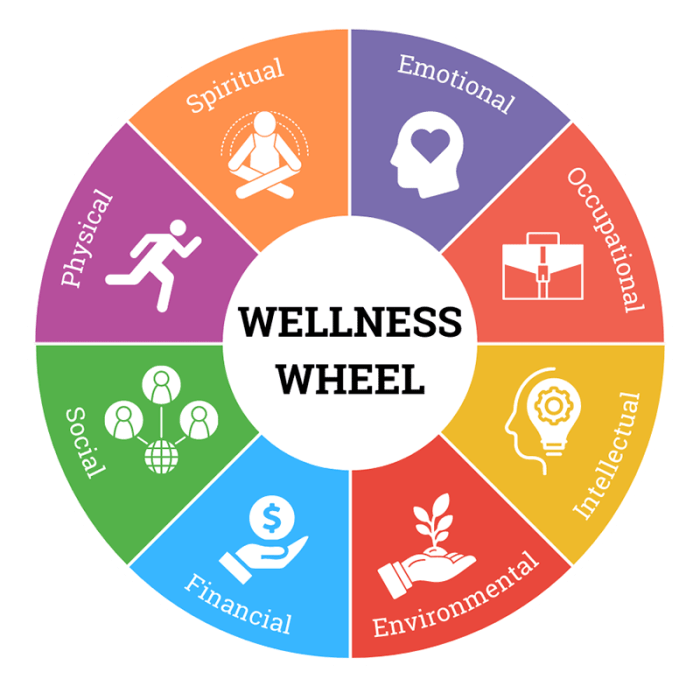
How to incorporate holistic wellness into daily life sets the stage for a journey toward a more balanced and fulfilling existence. This holistic approach recognizes the interconnectedness of our physical, mental, emotional, and spiritual well-being, emphasizing that each aspect influences the others.
This guide provides practical strategies for integrating wellness practices into your daily routine. From mindful movement and nutritious eating to stress management techniques and fostering meaningful connections, we’ll explore how to cultivate a life that prioritizes overall well-being.
Understanding Holistic Wellness

Holistic wellness is a comprehensive approach to health that considers the interconnectedness of the mind, body, and spirit. It recognizes that true well-being encompasses all aspects of our being and that neglecting one area can negatively impact the others.
The Core Principles of Holistic Wellness
Holistic wellness is guided by several key principles that emphasize the interconnectedness of different aspects of well-being. These principles provide a framework for understanding and integrating holistic practices into daily life.
- Mind-Body Connection:This principle acknowledges the inseparable link between our thoughts, emotions, and physical health. For example, stress can manifest as physical symptoms like headaches or digestive issues, while exercise can improve mood and reduce anxiety.
- Interdependence of Well-being:Holistic wellness recognizes that physical, mental, emotional, and spiritual well-being are interconnected and influence each other. For instance, a healthy diet can contribute to physical health and mental clarity, while strong social connections can enhance emotional well-being.
- Individualized Approach:Holistic wellness emphasizes that each person is unique and has individual needs and preferences. This means that what works for one person may not work for another, and it’s important to find practices that align with individual goals and values.
- Prevention and Proactive Health:Holistic wellness focuses on preventing illness and promoting overall well-being through lifestyle choices and proactive measures. This includes regular exercise, healthy eating, stress management techniques, and seeking support when needed.
The Interconnectedness of Well-being
Holistic wellness recognizes the interconnectedness of physical, mental, emotional, and spiritual well-being. This means that these aspects influence each other, and neglecting one area can have negative consequences for the others.
- Physical Health and Mental Well-being:Physical activity releases endorphins, which have mood-boosting effects. Conversely, chronic stress can weaken the immune system and increase the risk of physical illness.
- Emotional Well-being and Spiritual Health:Emotional well-being can be nurtured through practices like mindfulness and gratitude, which can also contribute to a sense of purpose and connection to something larger than oneself.
- Mental Health and Physical Well-being:Negative thoughts and emotions can contribute to unhealthy habits like overeating or lack of exercise, which can negatively impact physical health.
Examples of Interconnectedness
- Stress and Sleep:Chronic stress can disrupt sleep patterns, leading to fatigue, irritability, and difficulty concentrating. Poor sleep, in turn, can exacerbate stress levels, creating a vicious cycle.
- Exercise and Mood:Regular exercise releases endorphins, which have mood-boosting effects. This can help reduce symptoms of depression and anxiety.
- Diet and Mental Clarity:A healthy diet rich in fruits, vegetables, and whole grains provides essential nutrients for brain function. Conversely, a diet high in processed foods and sugar can contribute to brain fog and fatigue.
Integrating Wellness Practices into Daily Life
Integrating wellness practices into your daily life can seem daunting, but it doesn’t have to be a radical overhaul. It’s about making small, sustainable changes that add up to a healthier and happier you. The key is to start small, be consistent, and find what works best for you.
Setting Realistic Goals
Setting realistic and achievable goals is crucial for long-term success. Instead of aiming for a complete lifestyle transformation overnight, focus on incorporating one or two new habits at a time. For example, you might start by aiming for 30 minutes of exercise three times a week or incorporating one new healthy recipe into your weekly meal plan.
As you build momentum and consistency, you can gradually introduce more practices.
Sample Daily Routine
A well-structured daily routine can help you prioritize wellness practices throughout the day. Here’s an example of a daily routine that incorporates various wellness elements:* Morning:
Wake up early and engage in a mindful practice like meditation or deep breathing exercises.
Start your day with a healthy breakfast rich in nutrients and fiber.
Incorporate a short workout, even a brisk walk, to boost energy levels.
Afternoon
Take breaks throughout the day to stretch, move around, and recharge.
Prioritize hydration by drinking plenty of water.
Engage in activities that bring you joy and reduce stress, such as reading, listening to music, or spending time in nature.
Evening
Wind down with a relaxing activity like taking a warm bath, reading a book, or spending quality time with loved ones.
Practice gratitude by reflecting on the positive aspects of your day.
Get adequate sleep by establishing a consistent bedtime routine.
Weekly Schedule, How to incorporate holistic wellness into daily life
A balanced weekly schedule can help you allocate time for work, personal life, and wellness activities. Here’s an example of a weekly schedule that prioritizes a holistic approach to wellness:
| Day | Work | Personal Life | Wellness Activities |
|---|---|---|---|
| Monday | Work | Dinner with friends | Yoga class |
| Tuesday | Work | Cooking class | Meditation session |
| Wednesday | Work | Movie night with family | Walk in the park |
| Thursday | Work | Volunteer work | Strength training workout |
| Friday | Work | Date night | Relaxing bath with essential oils |
| Saturday | Weekend errands | Hiking with friends | Cooking a healthy meal |
| Sunday | Rest and relaxation | Reading a book | Spending time in nature |
Remember, this is just a sample schedule. You can customize it to fit your individual needs and preferences. The key is to find a balance that works for you and allows you to prioritize your well-being.
Preventive Care and Health Maintenance
Preventive care and health maintenance are crucial components of holistic wellness. By proactively taking steps to safeguard your health, you can significantly reduce the risk of developing chronic diseases and enhance your overall well-being.
Benefits of Regular Medical Checkups and Screenings
Regular medical checkups and screenings are essential for early detection and prevention of health issues.
- They allow healthcare providers to identify potential problems before they become serious, enabling timely intervention and treatment.
- Regular checkups can help monitor existing conditions and ensure that treatments are effective.
- Screenings can detect diseases like cancer, heart disease, and diabetes in their early stages, when they are more treatable.
Importance of Vaccinations and Preventive Measures for Chronic Diseases
Vaccinations and preventive measures play a vital role in protecting against infectious diseases and reducing the risk of chronic illnesses.
- Vaccinations stimulate the immune system to develop resistance to specific diseases, preventing outbreaks and protecting individuals from serious complications.
- Preventive measures such as regular exercise, a healthy diet, and maintaining a healthy weight can significantly reduce the risk of developing chronic diseases like heart disease, stroke, type 2 diabetes, and some types of cancer.
- By adopting these practices, individuals can take control of their health and reduce their reliance on expensive and potentially invasive treatments later in life.
Maintaining Good Hygiene and Healthy Habits to Prevent Illness
Good hygiene and healthy habits are essential for preventing the spread of infections and maintaining overall health.
- Washing hands frequently with soap and water, especially before eating, after using the restroom, and after contact with sick individuals, helps eliminate germs and prevent the spread of infections.
- Getting enough sleep, managing stress, and maintaining a balanced diet are crucial for a robust immune system and overall well-being.
- Regular physical activity can strengthen the immune system and reduce the risk of chronic diseases, further enhancing overall health and well-being.
Mindfulness and Self-Care: How To Incorporate Holistic Wellness Into Daily Life
Mindfulness and self-care are essential components of holistic wellness, promoting mental, emotional, and physical well-being. They involve cultivating awareness and intentionally taking care of oneself.
Mindfulness: Cultivating Awareness
Mindfulness is the practice of paying attention to the present moment without judgment. It involves focusing on your thoughts, feelings, and sensations without getting caught up in them. By cultivating mindfulness, you can develop a deeper understanding of yourself and your surroundings, leading to greater emotional regulation, stress reduction, and improved overall well-being.
Examples of Mindfulness Practices
Incorporating mindfulness practices into your daily life can enhance your overall well-being. Here are some examples:
- Mindful Breathing:Take a few minutes each day to focus on your breath. Notice the sensation of each inhale and exhale, without judgment. This simple practice can help calm your mind and bring you into the present moment.
- Mindful Walking:Pay attention to the sensations of your feet on the ground, the movement of your body, and the sights and sounds around you. This practice can help you appreciate the simple pleasures of life and reduce stress.
- Mindful Eating:Focus on the taste, texture, and aroma of your food. Savor each bite and notice how your body feels after eating. This practice can help you develop a healthier relationship with food and reduce overeating.
- Mindful Meditation:Find a quiet place and sit comfortably. Close your eyes and focus on your breath. Observe your thoughts and feelings without judgment. You can also use guided meditations to focus your attention on specific areas of your body or emotions.
Prioritizing Self-Care
Self-care involves taking actions that promote your physical, mental, and emotional well-being. It is essential to prioritize your needs and engage in activities that nourish your body and soul.
Examples of Self-Care Practices
Here are some examples of self-care practices that can be incorporated into your daily life:
- Getting Enough Sleep:Aim for 7-9 hours of quality sleep each night. Sleep deprivation can have a negative impact on your mood, energy levels, and overall health.
- Eating a Healthy Diet:Choose nutrient-rich foods that provide your body with the energy it needs to function optimally. Avoid processed foods, sugary drinks, and excessive caffeine.
- Engaging in Regular Exercise:Aim for at least 30 minutes of moderate-intensity exercise most days of the week. Exercise can boost your mood, reduce stress, and improve your physical health.
- Spending Time in Nature:Spending time outdoors can reduce stress, improve your mood, and promote creativity. Take a walk in the park, go for a hike, or simply sit in your backyard and enjoy the fresh air.
- Connecting with Loved Ones:Spending time with loved ones can provide support, reduce loneliness, and promote feelings of happiness. Make time for meaningful conversations, shared activities, and simply being present with each other.
- Pursuing Hobbies and Interests:Engaging in activities that you enjoy can help you relax, recharge, and feel fulfilled. Make time for hobbies, creative pursuits, or other activities that bring you joy.
- Setting Boundaries:It is important to set boundaries to protect your time, energy, and emotional well-being. Learn to say “no” to requests that drain you or conflict with your priorities.
Environmental Factors and Wellness
Our environment plays a significant role in our overall health and well-being. Exposure to various environmental factors can positively or negatively impact our physical, mental, and emotional health.
Air Quality and Health
Air quality refers to the cleanliness of the air we breathe. Poor air quality can have detrimental effects on our health, particularly on respiratory and cardiovascular systems. Pollutants like particulate matter, ozone, and nitrogen dioxide can trigger asthma attacks, increase the risk of heart disease, and contribute to lung cancer.
Noise Pollution and Well-being
Noise pollution is excessive, unwanted, or disruptive sound that can negatively impact our well-being. Chronic exposure to loud noise can lead to stress, sleep disturbances, hearing loss, and even cardiovascular problems.
Creating a Healthy Home Environment
Creating a healthy and supportive home environment is crucial for promoting well-being. Here are some tips:
- Improve Indoor Air Quality:Regularly clean and dust your home, use air purifiers, and consider installing ventilation systems.
- Reduce Noise Pollution:Minimize noise levels by using sound-absorbing materials, choosing quiet appliances, and avoiding excessive use of loud music or electronics.
- Maximize Natural Light:Open curtains and blinds to allow natural light into your home, which can improve mood and sleep quality.
- Create a Calm and Relaxing Atmosphere:Use soft lighting, calming colors, and natural elements like plants to create a serene and peaceful environment.
Benefits of Spending Time in Nature
Spending time in nature has numerous benefits for our physical and mental health. Connecting with the natural world can reduce stress, improve mood, boost creativity, and promote a sense of well-being.
- Stress Reduction:Studies have shown that spending time in nature can lower levels of cortisol, the stress hormone.
- Improved Mood:Exposure to nature can increase levels of serotonin and dopamine, neurotransmitters associated with happiness and well-being.
- Enhanced Creativity:Nature provides a stimulating environment that can spark creativity and promote problem-solving abilities.
- Improved Sleep Quality:Spending time outdoors, especially in the morning, can help regulate our circadian rhythm and improve sleep patterns.
Holistic Wellness and Chronic Diseases
Chronic diseases, such as diabetes, heart disease, and arthritis, are a significant health concern globally. While conventional medicine focuses on treating symptoms, holistic wellness offers a complementary approach that emphasizes the interconnectedness of physical, mental, emotional, and spiritual well-being. This holistic perspective can empower individuals with chronic diseases to actively manage their conditions, improve their quality of life, and potentially slow disease progression.
Lifestyle Modifications for Improved Chronic Disease Management
Lifestyle changes play a crucial role in managing chronic diseases. By adopting a holistic wellness approach, individuals can make positive changes that positively impact their symptoms and overall well-being.
- Nutrition: A balanced diet rich in fruits, vegetables, whole grains, and lean protein can help regulate blood sugar levels, reduce inflammation, and improve heart health. For example, individuals with diabetes can benefit from incorporating low-glycemic index foods into their diet, while those with heart disease can reduce their intake of saturated and trans fats.
- Physical Activity: Regular exercise is essential for managing chronic diseases. It helps improve cardiovascular health, manage weight, and reduce inflammation. Even moderate-intensity activities like brisk walking or swimming can provide significant benefits. For example, individuals with arthritis can benefit from low-impact exercises like swimming or water aerobics, while those with diabetes can improve their blood sugar control through regular physical activity.
- Stress Management: Chronic stress can exacerbate chronic diseases. Practicing stress-reducing techniques like yoga, meditation, or deep breathing can help regulate hormones, improve sleep, and enhance overall well-being.
- Sleep: Adequate sleep is crucial for overall health and disease management. Getting enough sleep allows the body to repair and rejuvenate, helping to regulate blood sugar, improve mood, and boost the immune system.
Resources and Support for Individuals with Chronic Diseases
Individuals with chronic diseases can benefit from accessing resources and support groups that provide guidance, information, and a sense of community.
- Healthcare Professionals: Working closely with healthcare providers, including doctors, nurses, and dietitians, is essential for managing chronic diseases. They can provide personalized advice, monitor progress, and adjust treatment plans as needed.
- Support Groups: Connecting with others who have similar experiences can provide emotional support, practical advice, and a sense of belonging. Online and in-person support groups offer a platform for sharing challenges, celebrating successes, and learning from one another.
- Online Resources: Numerous websites and mobile applications offer information, tools, and resources for managing chronic diseases. These resources can provide guidance on nutrition, exercise, stress management, and medication adherence.
Immunity Boosters and Natural Remedies
A robust immune system is your body’s first line of defense against infections and diseases. It’s a complex network of cells, tissues, and organs that work together to identify and eliminate harmful invaders like bacteria, viruses, and parasites. A strong immune system helps you stay healthy, recover quickly from illnesses, and reduce your risk of developing chronic conditions.
Boosting Your Immune System Naturally
Adopting a healthy lifestyle is the cornerstone of a strong immune system. This includes making simple yet impactful changes to your daily routine.
Dietary Choices for Immunity
A balanced diet rich in fruits, vegetables, and whole grains provides essential vitamins, minerals, and antioxidants that support immune function.
- Vitamin C, found in citrus fruits, berries, and leafy greens, is a powerful antioxidant that helps boost immune cells.
- Zinc, present in oysters, red meat, and nuts, is crucial for immune cell development and function.
- Selenium, found in Brazil nuts, tuna, and eggs, is an essential mineral that supports the immune system’s response to infection.
- Probiotics, found in fermented foods like yogurt, kimchi, and sauerkraut, promote gut health, which is closely linked to immune function.
Lifestyle Habits for a Stronger Immune System
Beyond diet, certain lifestyle habits can significantly impact your immune health.
- Regular Exercise: Moderate physical activity strengthens your immune system by increasing blood flow and circulation, helping immune cells move around the body more efficiently.
- Adequate Sleep: During sleep, your body produces essential immune-boosting proteins. Aim for 7-8 hours of quality sleep each night.
- Stress Management: Chronic stress weakens the immune system. Practice stress-reducing techniques like meditation, yoga, or deep breathing exercises.
- Hydration: Drinking plenty of water keeps your body functioning optimally and helps flush out toxins.
Staying Healthy During Flu Season
Flu season typically runs from October to May, but the virus can circulate year-round. During peak flu season, it’s crucial to take extra precautions to protect yourself and others.
Tips for Staying Healthy
- Get Vaccinated: The flu vaccine is the most effective way to prevent the flu and its complications. It’s recommended for everyone six months and older.
- Wash Your Hands Frequently: Wash your hands thoroughly with soap and water for at least 20 seconds, especially after being in public places or touching surfaces that may be contaminated.
- Avoid Close Contact with Sick People: If you’re feeling unwell, stay home to prevent spreading the virus. If you have to be around sick people, wear a mask.
- Disinfect Surfaces: Regularly disinfect frequently touched surfaces like doorknobs, phones, and keyboards to reduce the spread of germs.
- Practice Good Respiratory Hygiene: Cover your mouth and nose with a tissue or your elbow when you cough or sneeze. Dispose of used tissues properly.
Final Summary
By incorporating holistic wellness into your daily life, you embark on a path of self-discovery and empowerment. This journey involves making conscious choices that nourish your mind, body, and spirit, leading to a sense of greater harmony and vitality. Remember, holistic wellness is a continuous process, and even small steps can make a significant difference in your overall well-being.
Question & Answer Hub
What are some simple ways to incorporate mindfulness into my day?
Start with short, focused moments of mindfulness throughout your day. Try taking a few deep breaths while waiting in line, focusing on the sensations of your feet on the ground during a walk, or simply noticing the sounds around you during a quiet moment.
How can I improve my sleep quality?
Establish a consistent sleep schedule, create a relaxing bedtime routine, and make sure your bedroom is dark, quiet, and cool. Avoid screen time before bed and limit caffeine and alcohol intake in the evening.
What are some good resources for finding support groups for chronic diseases?
Organizations like the American Heart Association, the American Diabetes Association, and the Arthritis Foundation offer support groups and online communities for individuals with chronic diseases. You can also search for local support groups through your healthcare provider or community center.


More Stories
Boost Your Immunity Naturally: Daily Habits That Help
Best Healthcare Resources for Chronic Disease Patients
Exercise: Boosting Mental Health